Search across the BevNET CPG Media network including BevNET, Nosh, Brewbound, Taste Radio, Nombase and CPG Jobs.

New Beverage Showdown 20: Semifinals
Transcript
Note: Transcripts are automatically generated and may contain inaccuracies and spelling errors.
Ray Latif [00:06] Hello and thanks for tuning in to the semi-final round of Bevnet's New Beverage Showdown 20 competition. I'm Ray Latif, the editor and producer of Bevnet's Taste Radio podcast, the number one podcast for the food and beverage industry. Sponsored by Venturing Emerging Brands, and operating unit of the Coca-Cola Company, the new beverage showdown is Bevnet's signature beverage brand competition and gives 12 early stage and promising brands the opportunity to present their business plans and products to a panel of expert judges and our live stream audience. The winner of the two-day competition will receive a $10,000 ad package and join a shortlist of brands that have triumphed in the showdown, including Health Aid Kombucha, Malk, Rice Brewing Company, Teo Gazpacho, Hop Tea, and Grady's Cold Brew. Let's talk about the rules for the semifinal round. Each of the 12 brands will have 2 minutes to present and receive 2 to 3 minutes of immediate feedback from the judging panel. The judges have already sampled the products. After all the brands have presented, the judges will pick 5 brands to move on to the final round on Thursday. The 6th finalist will be chosen by audience vote. At the end of today's semifinal round, we're going to show a list of all the participants and a number next to each brand name. Live stream viewers will have an opportunity to vote by texting or calling the corresponding number of your favorite brand to a phone number that will provide. You can also call the phone number, as I mentioned, to vote. The voting will begin after all the semifinalists have presented and all the feedback has been given and end a half an hour after the round is done. So let's meet our aforementioned panel of judges. First up is Mike Schneider, who is the CMO of Bevnet. Mike is a seasoned executive who lives at the collision of brand experience and product. He has deep roots in branding, mobile content, and events. Everyone knows who Mike is at Bevnet Mike on Instagram. Check him out. He's also the star of a new movie called Goonar, The Life of a Modern Arsenal Fan. So it's, yeah, look for that in theaters soon.
Speaker 2 [02:13] It's a sad story, Ray.
Ray Latif [02:16] Next up is Matt Hughes, who is the VP of Emerging Brands incubation and commercialization for venturing and Emerging brands. Matt leads leads emerging brand commercial strategies across channels and routes to market, partners with VEB investment portfolio brands to accelerate growth, and leads integration of investment brands upon acquisition. He's a founding member of VEB. He has been in the beverage industry for 30 years, over 30 years, and has launched 3 entrepreneurial beverage brands prior to joining the Coca-Cola Company. Next is Richard Medina, who is a co-founder and CEO of a Los Angeles Distributing Company. Richard is a 12-year CPG veteran focused on business development, strategy, and chain management. He's in charge of brand procurement, contract negotiation, and the creation of new streams of revenue at LA Distributing. Last but certainly not least is Jodi Levy, who is the co-founder of Watermelon Water. She's an artist, designer, entrepreneur, executive, and investor from the Detroit area. As I mentioned, she's the founder of Watermelon Water and several other companies, including detox cleanse brand Lab Elemental. She's also a partner, advisor, and investor in many category disrupting brands and companies connected to clean living, the clean living wellness lifestyle space that empower people to take care of themselves and optimize their happiness and purpose. Just a fantastic judging panel. I am so excited to have them all on board, so excited to hear their feedback and advice for our entrepreneurs today. Let's get to our entrepreneurs. Our first semi-finalist of this round is Michael Sharon, who is the co-founder and CEO of Tika. Michael, how are you?
Speaker 2 [03:49] I'm doing great. How are you doing,
Ray Latif [03:50] Ray? I'm doing fantastic. So great to see you again. Really excited to hear your pitch. Are you ready to give it?
Speaker 2 [03:57] I am so ready.
Ray Latif [03:59] Fantastic. Your 2 minutes will begin now.
Speaker 2 [04:02] Hi, I'm Michael, uh, co-founder of Tica Coffee that accentuates Reality. We've created the world's first perfectly calibrated coffee by taking the craft and richness of specialty coffee and adding our unique blend of adaptogens to make you feel awake, aware, and inspired. Taika is the Finnish word for magic, and we have three enchanting flavors a brilliantly bold and smooth black coffee, a creamy oat milk latte that tastes like coffee cereal milk, and a first of its kind macadamia latte that tastes like melted coffee ice cream. All of our coffees are plant-based, have no added sugar, and contain a unique taika blend of functional mushrooms and adaptogens. We're available for delivery within 2 hours from our website and are carried at over 150 stores in New York, San Francisco and LA. Now, we made Taika because most coffee is based on where it's grown or the country it comes from, the origin. Taika is the first coffee that's based on how it makes you feel, the destination. My co-founder, Cel is one of the best baristas in the world, and he invented a patent pending method of naturally controlling the amount of caffeine in coffee. My background is in technology and I spent many years working in high-stress environments, which is where I first began exploring the benefits of adaptogens in coffee. We started off beta testing Tica with startups in San Francisco and sold more than 50,000 cans of coffee to companies like Calm, Medium, and Visco. We've had a phone number on the front of the can from day one to make it easy for people to text us anytime. Our mission is to help people live a healthier lifestyle without changing their habits or behaviors. We do this by taking products that people consume on a daily basis and redesigning them to be both delicious and authentically good for you. We call this stealth health. Thank you.
Ray Latif [05:51] Well done, Michael. Excellent job. Uh, you know, when I saw Taika for the first time, I said, you know, someone who has to look at this, and I, I'd love to hear your feedback on it is Jody Levy. Uh, really interesting looking can, as Michael mentioned, a phone number on the front of that can. Uh, give me your initial thoughts, Jody, on the packaging and the brand itself.
Speaker 3 [06:10] Well, I like that this weekend when I went to text that I already had a text in my phone from a year ago when I first saw it. So that made me really happy. It made me feel like it's working. Um, I love the phone number on the can as like a campaign. I feel like I, there's so much of your story. I, you know, want to be there, but it makes it so fun. Like, it's very engaging.
Ray Latif [06:32] Yeah, I mean, it's interesting the entire approach. When you think about Taika, what Michael was talking about, there's a functional attribute to it. There's an indulgence attribute to it. Um, does one need to be played out more than the other, Mike?
Speaker 2 [06:46] That's a great question, Ray. Uh, I mean, as a coffee purist, I think coffee is the perfect beverage. And so I, I look at this and I say, all right, there's a phone number there and I'm thinking like maybe I'm not the target demographic cause I was thinking I should call the number versus text it, you know, like, or You know, I, I got a Carly Rae Jepsen Call Me Maybe vibe when I looked at the can. But anyway, I, I, so like I'm asking myself, is this, is this a beverage for me, you know, and do I need adaptogens in coffee? There's a lot going on here. I think this is for somebody who is, you know, they, they've, they've gotten to that point in coffee where they're just like, oh, what's the next level of coffee? I, I, I might not be there yet.
Ray Latif [07:26] Richard, I'm sure you've seen your share of new coffee brands to come to market, um, and I'm sure one of your first questions is how is this different? Uh, do you see significant differentiation in Taika versus what has already come to market?
Speaker 2 [07:40] 100%. You know, we have a, we see a new cold brew every single week. And I like how Taika stayed away from mentioning cold brew. It's elevated coffee with adaptogens, so that's a niche that we do growing in the market, and it was a huge point differentiation early on when I first saw the brand. And with the phone number in the front, that is what gets the consumer to grab the can, which I think is 90% of the work.
Ray Latif [08:07] Matt, I, I think Michael mentioned that Taika is the first coffee out there that allows consumers to feel something different. Um, the tagline is the world's first perfectly calibrated coffee. Um, are all these things, you know, these things that, that, uh, Michael mentioned his pitch, things that consumers want at this point?
Speaker 4 [08:28] Yeah, well, certainly part of the emerging area of functionality, right? We're getting functionality in different ways and certainly from beverages. So, yeah, yes, I think this idea of accentuated reality through the ingredients is interesting. Uh, I've not quite heard it coined that way, so that's, that's somewhat unique at this point. Uh, obviously, the, the taste needs to pay off as well because we know taste is certainly a key thing here. Uh, but, but the ingredient panel is interesting. Um, if you can deliver on the functional, uh, claims, yeah, maybe there's something here for him. Did you like the taste it paid
Speaker 2 [09:06] off in the taste. I thought it
Speaker 4 [09:07] was delicious. Yeah, the, uh, the, the macadamia and latte was quite, quite approachable for me, so good,
Ray Latif [09:14] so good. Outstanding. Well done. Great feedback. Great pitch, Michael. Thank you so much. Let's move on to our next semi-finalist for this round. That's Paul Voge, who is the co-founder and CEO of Aura Bora. Paul, how are you? I'm doing well, Ray. Thanks for having me. Great to see you and thank you so much for joining us today.
Speaker 2 [09:32] Of course, I 2 minutes start now.
Ray Latif [09:35] I'll give you a 2-minute timer, uh, right about now. How about that? All right,
Speaker 2 [09:39] my
Ray Latif [09:40] name
Speaker 2 [09:40] is
Ray Latif [09:40] Paul Vogge.
Speaker 2 [09:40] I'm the co-founder and CEO of Aura Bora. Uh, we make sparkling waters from herbs, fruits, and flowers. Like
Ray Latif [09:47] a lot
Speaker 2 [09:47] of office workers,
Ray Latif [09:49] I was drinking a lot of conventional sparkling water to get through the day. Go over to the company fridge, grab a can of conventional sparkling water, but I didn't really enjoy the experience. Um, I, I wanted something that was more tailor-made to my palate, that was exciting, a brand I could be excited about. So my wife, Maddie and I, we bought a SodaStream and we started experimenting at home with some botanicals and essential oils and fruits we had on hand. And Orabora was born. Uh, we found that it gave it a more natural experience, a better taste, something we looked forward to. Uh, and we started marketing these products about a year ago. You all know sparkling water is competitive. It's crowded. How can we disrupt this market? And we decided our super unique flavors would be the way to do it. Everything is moving artisan, so what Kettle did to potato chips or Jenny's did to ice cream, or I could pick 5 or 6 more examples in different categories, we hope to do the sparkling water. We want to. Really bring creative tastes that people haven't tried elsewhere, lemongrass, peppermint, basil, herbs they're familiar with in different mediums and bring them sparkling water, sugar-free, calorie-free, whole 30 approved, non-GMO. Our packaging sells the product the first time with bright colors and illustrations as whimsical as the flavors, and the flavors sell it each time thereafter. In just 12 months we've seen quite a bit of market validation that indeed it wasn't just me. A lot of people were looking for an artisan experience with their sparkling water. Today, 12 months later, we're in 600 stores. We launched in our first region of Whole Foods. We're expanding with Whole Foods next year, as well as a few other exciting big box retailers,
Speaker 2 [11:28] and we found that there is a group of people that are extremely passionate about flavors and they love sparkling water. Thanks so much.
Ray Latif [11:37] Outstanding. Well done, Paul. Um, Richard, uh, how much runway is there for an artisanal sparkling water brand?
Speaker 2 [11:46] Uh, well, you know, when, when I first saw sparkling water, I was worried, uh, cause it is a very crowded market. Uh, but I do think you guys need to focus on the herbal and botanical side. Uh, what really caught my attention was your flavor profile. Very unique. I have not seen among the competitors, but I think letting your consumers know that, you know, what are the health benefits, uh, to consuming your product versus, you know, the, the mass-produced traditional guys that you can find at every corner, uh, in the market.
Ray Latif [12:14] Mike, uh, Paul mentioned that uh the can grabs you immediately as the can grabs the consumer immediately from the get-go and initiates trial. Uh, did you feel that way? Do you feel that way about the packaging?
Speaker 2 [12:27] Yes and no. I, so I like this product a lot. I think it's big and bold. Um, the flavors are, are really great if you are, uh, and, and as, um, as you said, you know, Uh, these are flavors that you know from other places and, and bringing them to water is a great idea. I find, like I said, I find them to be big and bold and, and you can, um, you know, you can drink this, uh, all day. You can even cut it with water, um, and, and drink it. Longer, I think. The the thing that I'm, I'm, I'm looking at the can here and I'm saying, bring the flavors out. You've got this kind of Super Mario vibe going on, on the, on the can. And I like the, I like the colors for the flavors, but I, I want to see those come forward and I want to know that it's sparkling water when I, when I, uh, when I'm looking at it as well. I think those are kind of muddled.
Ray Latif [13:14] Matt, uh, so many new sparkling water brands coming to market, um, it's, it's becoming a very crowded category, um. When you're thinking about Aurra Bora, you know, does it fit the bill for you in terms of how you evaluate new sparkling water products coming to market?
Speaker 4 [13:32] Yeah, it's interesting, right? I, I was a little bit, um, thrown by the branding. Uh, I, I didn't really make the immediate connection between herbal enhanced sparkling water in, in the brand name Aurabora. So, you know, perhaps there's more sort of communication or education on that one is, to break it, so it can break through to your point, a very crowded space. Um, I do think that the, um, the unusual combination of flavors is certainly a benefit that they're going for. Uh, so that could be, be a way they can break through. Uh, but, you know, it's, it's tough to get the education out there when it is so crowded. So, uh, it'd be interesting to see the, how the brand evolves, uh, when, when they're faced with a lot of similar cans in the marketplace. Uh, uh, maybe it's the graphics that, that Mike was talking about. I'm not sure, but, but, uh, there's some work to do there in terms of the, the branding side, I
Ray Latif [14:27] think. And Jody, you know, as an entrepreneur, as a former beverage entrepreneur, well, I guess once a beverage entrepreneur always won. Um, you know, it's interesting when you talk about, uh, retail traction and getting your brand on shelf. It's not easy to do and it sounds like Paul's had some success there. Um, you know, are, is that really, is he on the right track in terms of the outlets he's going for and, and the retail strategy as he outlined?
Speaker 3 [14:52] I mean, I think right now everything's different. I think this pandemic globally has changed everything and anything that you can get to people's stores and like, you know, any easy way for them to tell you that they want product, it's advantageous and it's the best way to create a long term relationship with people so that when everyone's like back on the streets and whether it's 6 months or 12 months. Or hopefully not longer, they can recognize the brand and I think everything everybody's talking about, if there's a true benefit to the herbals included, that becomes the hook to sell people why they need it on repeat on their doorstep, you know, every 2 weeks. And so I would focus there and probably double down there for right now.
Ray Latif [15:35] All right, great advice, great feedback. Uh, thank you so much, Paul. All right, let's move on to our 3rd semi-finalist of this round, 3rd semi-finalist, that is uh Vivi Mullen and Ben Korn who are the co-CEOs of Go Big. Vivi, Ben, how are you?
Speaker 2 [15:49] All right.
Ray Latif [15:50] Hi, great to see you guys. Likewise, you too. All right, we know what they say, Go big or go home. So you guys ready to give your pitch?
Speaker 2 [15:57] For sure,
Ray Latif [15:58] for sure. Fantastic. Your 2 minutes begin now.
Speaker 2 [16:03] Hi, I'm Ben and I'm Vivi, and we're the co-founders of Go Big. Imagine if 5 Hour Energy and a Vibe Wellness shot had a baby. That's what Go Big is. We took the best attributes of each category and combined them into something exponentially better. This all started because we were tired. I was a new exhausted mom and was taking guarana, as I had always done whenever I needed the energy that coffee couldn't give me. If you don't know guarana, it's a seed from my native country, Brazil, something every Brazilian knows, has been used by Amazonian tribes for centuries, and has been scientifically proven to improve memory, focus, and athletic performance. So Vivi shared with me because I was waking up early for a 6:00 a.m. CrossFit class, and it was the best energy thing. I had ever tried in my life, so I shared it with my friends, and before long they started asking me to buy it. And that was the moment that we decided to look at the market and the opportunity. And you guys know the story about energy drinks. It's a huge market, just a few companies selling high junk products that are very narrowly branded, and Why hasn't a better for you natural brand disrupted this sector like pretty much every other category? Well, we found the answer is pretty simple. There are two things that matter above all, all else. It's function and it's taste. So all of the natural competitors out there are weak. We are the only natural energy shot that delivers the equivalent amount of caffeine of a 5 hour energy, and that's what energy shot consumers expect. Second, shots are not exactly known for their great taste, and caffeine is very bitter, so making a shot even palatable is a very difficult thing to do without all of the artificial ingredients. So it took us hundreds of formulations, but we believe we've gotten to a place where we have the best tasting shot, natural or artificial, ever made. Go big also contains super fruits and apple cider vinegar, because that's what we wanted in a drink that we took daily. Finally, we're redefining what it means to be an energy drink, not only from an ingredient perspective, but also by building a brand based on values of empowerment and inclusivity. And this is coming from the only female CEO in the entire category. Go big.
Ray Latif [18:04] Well done, well done indeed. Uh, well, the word taste was brought up in the pitch a number of times, and I agree taste is really important when it comes to energy shots. Uh, Matt, what do you think of the taste of go big?
Speaker 4 [18:17] Yeah, so, so the founders nailed it. I mean, caffeine is really tough to, uh, to mask in, in a shot format, especially because of the concentration. I know that from experience, from, from my entrepreneurial days before Coke. Um, and, and so I think they've, they've done, certainly improved on what I had. Uh, which isn't saying much, I guess, but, but, uh, no, it's, it's, it's, it's approachable. Um, it's not delicious, right? The way, the way you might find some of the, the lower, um, caffeinated shots that are out there that are more fruit-forward or, uh, you know, flavor-based. Uh, so I think there you've got to have the balance of delivering on the caffeine as the founders were mentioning, and the trade-off that you're going to get in terms of the bitterness that comes with that. Uh, so, a good start, uh, but, and, and I would just suggest that they keep, you know, playing with the, the taste profile to try to get a little more mainstream over time.
Ray Latif [19:11] Mike, um, uh, you know, the shot category is interesting because, um, there, there's not a lot of real estate to work with when it comes to the, uh, bottle itself. Um, in terms of packaging and the brand of Go Big, uh, what are your thoughts?
Speaker 2 [19:27] It's a simple package, Ray. I mean, I think it does what it's supposed to do. It says go big. You say, well, what makes it go big? And then you find quickly that it's, you know, how much energy you're going to get, how many milligrams of caffeine, equivalent coffee. That's what people want, I think. Um, you know, I, I'm with Matt on the taste. I think, again, this is a pretty hard category to make taste delicious, but I think we also have to remember what you're, what you're up against and what the consumer is used to. So when you're, when you're comparing it, the bar is pretty freaking low. And so this is, you know, this is raising it. Oh, but, but, but Matt's point that it's raising it slightly. I, I agree with that. I was like, you know, when I, when I first drank this, cause I'm not a big drinker of, of this kind of shot. And so it is a little bit jarring for somebody who's not used to those shots, but people who are used to it are gonna go, oh yeah, OK, I get it.
Ray Latif [20:22] Jody, in terms of the brand story um as told by Vivian Benn, I mean, um, how much of that really resonated with you? How much of that do you want to see more of in the packaging and in the branding and promotion of Go Big?
Speaker 3 [20:35] I feel like I don't totally get a payoff on what the name means, so I'd like that to kind of hit me, and I think that if I expected the guarana seed taste, I would know what I'm expecting more because it's such a clean ingredient. Profile, but I, it's not leading with the guarana as the source of natural energy, and it's, it's punching you when, you know, when you taste it, and I think the clean profile makes it accessible to people that don't typically drink energy drinks, which is where the amazing opportunity is. So it feels like there could be a little bit more information at like the quick read.
Ray Latif [21:14] Richard, when I first met you about 10 years ago, the number of new energy shots coming to market was probably pretty mind boggling. I think we saw a new one every week. Uh, seeing less so nowadays. Are we seeing a return? Are consumers asking for more of these products? And if so, Is Go Big the right brand to go to market with this sort of potentially new generation of energy shots?
Speaker 2 [21:37] Oh, you are, so there are more shots. The difference now is that they're refrigerated, and they're really focused on the wellness side. Um, as Jody mentioned, I was a little confused with the name, go big. Uh, I did say go big in energy, so I knew energy was leading. You know, the, the taste, the, the one that I did taste because it's, uh, it relates more to his wellness shots is that orange turmeric flavor. When I had that, it didn't remind me anything of what the market has right now in terms of orange turmeric shots, but I think that just educating the consumer, letting the consumer know that it's female woman, woman-owned, it's energy forward. I think that would just be, that would be key. The pack is very simple, but I think maybe some updates on letting them know what to expect, um, is really what I would focus on.
Ray Latif [22:23] All right, great stuff. Well done, well done, Vivian Benn. All right, let's move on to our next semi-finalists for this round. Semi-finalists again. We have Tammy Yun and Tony Lamb, who are the CEO and co-founders, I'm sorry, the co-founders, period, of OmniBev. Tammy, Tony, how are you? Good to see you. Hi, good. How are you? Great, great. Uh, you ready to give your, uh, two-minute pitch? Yes, we are. All right, your timer will start now. Hi, I'm Tammy. I'm the, uh, and this is my partner Tony Lam. Did you know that Vietnam is the 2nd largest exporter and producer of coffee beans in the world? Omni is the world's first authentic ready to drink Vietnamese core coffee made with real Vietnamese beans harvested from my family farm in Dala, Vietnam. Our beans are grown on mineral-rich volcanic soil. We brew in a bottle in California. Our mission is to elevate quality, provide transparency, and create unique, delicious Asian advised beverages. At Omni, we're not just another bottle of coffee, we borrow a century of tradition and culture of Vietnam. Our passion inspired us to develop the best formulation of Vietnamese coffee. After a year of R&D, we now have 4 unique and delicious Vietnamese coffee products to share with the world. Our products are simple, premium, and clean with no preservatives. Our most popular product is our Good Morning Saigon, also known as cafe soda. It's the traditional Vietnamese coffee served over condensed milk that you would usually find in Asian cafes and restaurants, but ours use real Vietnamese coffee beans. It's highly caffeinated with 3 cups of caffeine in the 10 ounce bottle. For the fitness folks who are always counting calories and like to drink their coffee straight up black, we have our signature Omni Black coffee which contains zero sugar, has zero calories, and is packed with 2 cups of caffeine. Our black is made with 100% Vietnamese Arabica beans from our single origin microlot farm. Our plant-based cold brew with coconut milk is dairy-free and combines a touch of sweetness from the coconut milk. It's 100% vegan, gluten-free, with only 7 g of sugar. And finally, we just released our coconut matcha 3 months ago, and so far it's been a major hit. This cold brew contains premium Japanese matcha. In just 3 months we've made significant traction. We signed up over 200 convenience stores, 100 restaurants, and 7 grocery stores to carry our product. And finally, our manufacturing plant can produce over 200,000 bottles a day. The time is right, so let's disrupt the coffee industry together. Thank you. Thank you. Well done. Jody, I, I, I see you looking at the package so intently. You've been looking at it for the past minute or so. Any anything that you stands out in terms of feedback you want to offer?
Speaker 3 [24:59] Well, there's a really specific story about the Vietnamese farming and tradition, and I'm making an assumption about vertical integration, so I like that there's this connection point to a place on the planet. I was just trying to, you know, it. It's, it's tough when you have a plastic bottle that feels like other things to kind of get the story across. So I was just trying to look at like how much of that comes through relative to the condensed milk and the Vietnamese coffee combination and the tradition and the heritage that comes from that, which I feel like is missing a little bit because I think that there's, there's a power to that story that might come through in here.
Ray Latif [25:42] The reason for being is so important. We talk about it a lot on Ta radio. We talk about it a lot all the time, um, and I wonder, Matt, you know, as the world's first Vietnamese cold brew coffee, um, what do you think of that reason for being when it comes to OmniBev?
Speaker 4 [25:59] Yeah, I think, I do think, uh, there's a real opportunity to deliver on that authenticity, uh, the sourcing, the, the, the founder's story, the background, the connection back to Vietnam. I mean, it's, it's a beautiful. It's a beautiful story to tell. And by the way, you didn't ask this question, but I'll offer great tasting product. I mean, they nailed the product, um. Uh, you know, so I think, uh, play around with packaging perhaps to Jody's point, messaging, bring the story out a little bit more, you know, more in a stronger way. Perhaps it's done on, on the webs, on their website, but, but I think there's a real, very important and strong connection to the, to the source, to the origin, uh, and it's, it's lovely that there's a story that connects the founder there.
Ray Latif [26:49] Richard, how would this product fit into your portfolio if you were to take on the brand? Does it fit? Does it make sense, uh, within a portfolio that already includes coffee brands, some coffee brands?
Speaker 2 [27:01] Yeah, so when bringing on new coffees and we're looking at calorie, sugar content, fat content, uh, which the data is trending towards lower sugar, uh, lower fat, which you, which you guys address in your coconut. Products, I think, you know, there is, there is a market for Vietnamese being a Vietnamese type of coffee. I think just having them penetrate the market like Los Angeles or New York to really prove out that sliver of the cold box. I think a lot of guys right now are really focused on that black. The other side, you have some sugary like the Dunkin' Donuts and the Frappuccinos of the world. I think understanding where you guys fit on that spectrum would be key and let the data and customer feedback tell you where you fit. So for us, um, you know, we're always looking for brands to get some data to show us where it's doing well and where to focus in terms of channels of trade.
Ray Latif [27:55] Anyone who follows BevNET Mike on Instagram knows he's a coffee connoisseur. So following up on Matt's comments about the taste, what do you think about the taste and frankly the functionality of a product as caffeinated as OmniBev?
Speaker 2 [28:09] I mean, the taste is extraordinary. We've, you know, uh, as you know, Ray, I do like to drink a lot of coffee. Um, this one, I can't drink a lot of this one because it is very strong. Um, and I think that it says it on the label, you know, it tells you what, what you're getting yourself into. This one definitely pays off the wake up. Um, so, you know, uh, the only thing that's confusing for me is the logo. I think it's gonna be hard for some people to find based on, if you say go look for Omni. It's hard to see that that logo is Omni. And I might play up Vietnamese and, and, and play down cold brew on the label, but I do love the packaging. I love that it's differentiated between latte and more traditional Vietnamese coffee, and I, I think this, I think this has a, has legs.
Ray Latif [28:56] Outstanding, well done, uh, Tammy and Tony. Thank you so much for joining us today. Let's move on to our next semi-finalist for the round. It's Kayleigh McLaughlin, who is the founder and CEO of Kaylee's Culture. Kayleigh, how are you? Hi, I'm so excited. I am so excited to have you, uh, in the New Bedward showdown, and I'm excited to hear your pitch. Are you ready to give it? I'm really ready. All right, your 2 minutes will begin now. Hi, good afternoon, everyone. I'm Kayleigh McLaughlin. I'm so excited and extremely grateful to be here with you today. And to introduce to you what I consider to be my 4th child, my product, Kaylee's Culture for Kids. Let's start from the beginning. I was born and raised in San Diego, where I met my husband in high school. We got married right after he finished flight school, and we started our family in San Diego. It was after the birth of our first baby that my health journey really took off. I made baby formula, baby food. I juiced every day. I made kombucha and water keeper, just to name a few. You can't always control where you end up living as a military family, and we ended up at an austere military base in Nevada. We had our 3rd child there, and now with 3 kids, 3 and under, making my kombucha and waterkeeper became next to impossible. Probiotics through food and drinks have always been Part of our daily lives, and I have seen the incredible benefits they've produced. I looked to the stores for a replacement beverage for my kids, but it wasn't there. What I found were dozens of healthy functional beverages for adults, but not one for kids that met the standards, my standards, until now. Kayley's Culture is a probiotic sparkling water with organic fruit essence and monk fruit. Each drink contains 5 billion CFU, a child's daily recommended dose of probiotics. I chose Bacillus subtilis as the probiotic for Kahli's culture because it is the powerhouse probiotic that helps kids fully absorb nutrients from food and helps support a healthy immune system. We launched a market test in Los Angeles just a month ago, and considering the type of year 2020 has been, we're actually selling really well. With little to no marketing, we are seeing positive organic sales in small grocers and convenience stores. Hayley's Culture is in a slim 8.4 ounce can that kids can feel special grabbing off the shelf. My kids were always asking to drink my sparkling beverages, and now I can offer them one of their very own that has health benefits. Finally, an authentic, truly healthy, functional beverage designed for kids that we can feel good about. Well done, Kaylee. Look at that. You nailed it in the 2 minutes. Fantastic stuff. All right. Uh, Matt, uh, a functional beverage brand for kids. Um, you know, what are your thoughts?
Speaker 4 [31:40] Yeah, I, I, I really like this one. probiotics, sparkling water, 5 billion cultures. I mean, I think you got to watch out for the efficacy of that, and you know, that's something that as you, as the brand gets bigger, people may, you know, may challenge. Uh, uh, sometimes it's hard to, to prove out. Um, the, the idea of this sort of personal solution that Kaylee brings is a lovely backstory and having higher standards as a starting point, I think can come through. So, Really good, really good concept. I know a long way to go for Kayle and, and team, uh, just launching, but, but, uh, no, I'm, I'm encouraged by this one.
Ray Latif [32:19] Jody, as I mentioned, you know, you're interested in brands and products that address clean living and wellness. Uh, it seems like Kayley's culture kind of fits into that. In that category, into those categories, what are your thoughts in terms of selling, you know, a probiotic beverage to children or selling a probiotic beverage for children?
Speaker 3 [32:40] I think it's really smart. I think that I have a 21 month old twin niece and nephew, and they get, they get all handmade, homemade everything, and this was like the first product that my sister and I were like they could drink this. So I'm super impressed with what's in it, how clean the label is. I, I actually didn't see that it was for kids, so we were having this discussion around like, oh, we could give this to the kids, but I think that the fact that it's for kids could really be amplified. But I think it's very smart, and I think that as parents are becoming more and more aware of our food system, it's going to be more and more important.
Ray Latif [33:19] Richard, when you're thinking about um kids' beverages and distributing kids' beverages, there's, it's kind of a tricky situation because are you marketing to kids, are you marketing to parents, um, you know, how do you see Kayley's as fitting into a sparkling water category or a kids' beverage category? Where should it really fit into when it comes to category or set?
Speaker 2 [33:40] So, you know, it's obviously the first there are very few beverages going, I guess new age beverages being targeted to kids. I think here that the trick is to get the mom to purchase it, which is an uphill battle because right now you have these larger kombucha companies or Kiefer companies already targeting that mom that could easily come out with another kid's product. I think for you, developing that loyal fan base, uh, having unique formulas and offerings, uh, you know, you're developing a, a customer very early on, which is great. So I think at some point you may want to look to creating a non-kid beverage because you want to make sure you get that kid, uh, when they become, you know, tweens and teenagers. But, you know, I think just having it, having it shared with like the honest kids, I think that'd be a perfect way to or place to market the brand.
Ray Latif [34:28] Mike, you get the last word. In terms of label hierarchy, you know, we see logo, we see bubbly probiotic water, we see some other callouts about, uh, you know, the amount of probiotic content. What are your thoughts on how Kayleigh designed this, this package?
Speaker 2 [34:43] I mean, I love the way that this is designed. I love the playfulness of the product. I think that some of the words like the word lemon is a little muddled. You can't see it because it's because of the white, but she probably already knows that. I do hate the marketing here because, and I'm going to disagree with Jody, I don't like that this is a beverage for kids cause it's so delicious. Just market it for families. Like it's so hard because you're, you're marketing to a demographic that's going to change. You know, they're continuously changing, they continuously change their tastes, but like get them hooked on it and just tell them it's for them forever. I mean, it, this is a family beverage in my mind. I really like this product and I, I think it has legs. I've said that about other products, but I believe this is true.
Ray Latif [35:24] Mike, uh, I'm glad he's always straightforward. He's always honest even when he's not. All right, thank you, Kayleigh. Thank you so much once again. Great presentation. All right, let's move on. We have Talia Bennick, who is the founder of Sweet Crude as our next semi-finalist. Talia, how are you? Hi, Ray. I'm well. Great to see you again. How are things? Good, thank you. Good, good. Are you ready to give your 2 minute pitch? Yes, I am. Fantastic. All right, your 2 minutes will begin now. All right, at Sweet Crude, we craft ready to sip CBD cocktails that are non-alcoholic and infused with hemp extract and natural terpenes. Our zero-proof cocktails are perhaps less functional and more experiential, from full-bodied sipping experience to conversation starting packaging. Our target audience is the sober, curious millennial. There are 47 million of them right now. And unlike other CBD beverages, we are taking a terpene-forward approach. Terpenes are aromatic plant compounds that can trigger a mind-body connection. Think, uh, the calming terpenes in lavender. What we do, we embrace the terpenes from the hemp plant. And they are our base flavor note, which you'll see as earthy funk on our packaging. Last month, we launched with two skews. First, Mellow Mule infused with pineapple express terpenes, which the Washington Post listed um on their article of top canned cocktails, and OG tonic infused with lime OG terpenes. We're also formulating two new skews with low to no added sugar for our next production. A single can retails between 499 and 550, um, which leaves 60% margin between distributor and retailer. And we've selected uh five retail outlets to test our merchandizing and co-marketing strategies. Our direct to consumer channel is growing strong. We're having a 38% repurchase rate after month one of initial order. And our mission is to, um, to really um make sure our customers feel their most confident and carefree for the times they choose not to drink alcohol. Thank you. All right, well done, Talia. Richard, let's start with you. Uh, I know you're senior share of CBD beverages, uh, a ready to sip CBD cocktail. Um, what do you think of the opportunity for, uh, a CBD infused canned cocktail? Another category is in canned cocktails that's growing, uh, significantly in, in the past few months and years.
Speaker 2 [38:23] I guess that's where I got a little confused on, on the cocktails. I understand you're going after, uh, the, the sober curious, uh, but I think at the very bottom was one of your key statements of tirpings. I think chirping. Lotion, uh, to for CBD type beverages. The product was great, a little bit more sugar than, than my pal, but sounds like you're addressing that with some no sugar options. Um, but yeah, the CBD is really crowded, um, you know, we, we are seeing the low sugar. CBD options are really taking off. So maybe that can be some beneficial advice for your new formulations, but I would say focus on chirpings. That's going to differentiate you from those that are currently on the market.
Ray Latif [39:05] Mike, uh, I know you appreciate a good, uh, terpine flavor and a CBD beverage. Um, what do you think of sweet crude in terms of its formulation, and I'm also interested to hear your thoughts on the name, uh, sweet crude.
Speaker 2 [39:20] I think it's, uh, sweet crude's a good name for this, um, because it is sweet and it is a little bit funky and, and, you know, crude's a good, and it, you know, you think sweet crude, you're thinking oil, obviously, but, um, I, I did like, I like the play there. Um, it also has a, a crude little uh moniker on the front as well or crude little tagline on the front, uh, as well, um, which I thought was, uh, went really well with the brand. What I like most about this besides the flavor, which, um, I really did get a lot of funk and I think the word cocktail here is good. I mean, we've seen other companies like Proposition try this as well where they said, you know, we're replacing the functionality of alcohol with CBD. I really like that, but I also really love the can and I love how you have the colors and the flavors kinda, you know, uh uh aligned. And I, I, I enjoyed the simplicity of the message and how it paid off in the, in the drink.
Ray Latif [40:13] Matt, I, I think Talia mentioned 47 million super curious millennials out there. Um, in terms of that market size, you would think, hey, it's a no-brainer for a product like this, um, but you know, does market size really relate as specifically to opportunity for a brand like this?
Speaker 4 [40:32] Yeah, perhaps. Certainly, sober curious has been emerging, uh, you know, from a trend perspective, not, not just in the US but, but Europe and other, other geographies for a while now. You're seeing um subcategories be developed in the sober curious movement. Um, and then I like the fact that there's sort of a crossover with ready to drink cocktails, which are the fastest growing sector in alcohol today. So you've got two nice trends there to take advantage of potentially if you can, if you can nail that sweet, sweet spot in between them. Uh, so yeah, I think there's something here from a trend perspective. Um, obviously, the consumers are gonna, uh, let Talia know what they think about taste and, and, and, you know, visual identity system, etc. but it's certainly, uh, I think, a good place to play.
Ray Latif [41:23] Yeah, Jody, let's talk about visual identity. Uh, in terms of the packaging, the label hierarchy, um, what do you think Sweet Crude did right? Are there some things that you think they can improve upon?
Speaker 3 [41:34] Um, you know, I find myself working very hard to understand what's below the surface, what the name means, what the name of the actual SKU means, what the tagline means, and then once I get to the turpine story, I want so much more from it. So I happen to know a lot about terpines, but most people don't even know what the word means. And so I feel like there's opportunities here, especially with the continuity of design, where there's some storytelling that could really accentuate the experience.
Ray Latif [42:09] All right, great feedback from the judges. Great presentation, Talia. Thank you so much for joining us today. All right, let's move on to our next to my finalist for this round, who is Jessica Craig, the founder of Tarts of Beverages. How are you, Jessica? I'm doing great, Ray. How are you? I'm doing great. Uh, are you ready to give your presentation? I am ready. Fantastic. Uh, your 2 minutes begin now. Thank you. Hi everyone, I'm Jessica Craig, founder of Tarta Beverages. Tarta is a functional seltzer I developed right here in my own home, in my own kitchen, to pivot my own daughter away from consuming sugar laden, healthy, quote unquote beverages. Over time and after many arguments, I realized that she was actually right. There was something missing in the market. So I decided to redesign and redefine what seltzer could be and fill the gap in the grocery shelf. I knew it was possible by incorporating the original, the tried and true functional ingredient that dates back to the Roman times, balsamic vinegar. Tartar is infused with delicate fruit balsamics that add interest, but more importantly, they're functional and good for the body. Balsamic serves a multitude of functions, but what I think is the biggest, the biggest benefit to the body is that it controls blood sugar throughout the day, and it helps crush the cravings that we all grapple with throughout the day and throughout our lives. And it's also good for digestion. Those are just to name two. Tartar is also made with an elegant simplicity. There's no added sugar, there's no added artificial ingredients, and nothing that's suspect about the beverage. It's versatile. It complements any lifestyle paleo, keto, vegan, gluten-free. Tarta fits right in, and it's currently offered in three beautiful, refreshing flavors orange blossom, honey wild, and of course the champagne citrus. We just launched about a month ago and it's gained a wonderful acceptance throughout New Jersey and we just picked up a few accounts in Pennsylvania and looking to launch throughout the mid-Atlantic in January. So thank you for your consideration of TARTA, and I hope you enjoy this unique, sparkling next level functional seltzer. Thank you. All right, well done. Thanks. So Jessica talked about her passion for uh balsamics and the, the reason for their inclusion in her beverage and the functional benefit that they have to consumers. Um, does that passion come through uh in the packaging, Mike?
Speaker 2 [44:42] It definitely comes through in the flavor, Ray. I mean, it is big and vinegar flavor, and I, if you like vinegar, you're gonna like that, which, um, you know, there's a lot of ACV drinks out there right now. So I think what, what I'm seeing on the package, I have two big points here. One is that make seltzer and vinegar the hero versus tartar. I, I, I know what tart, I, I think I understand what you're trying to get at there, but I think that shouldn't be the hero. I think you want to pull somebody in with that and then also the flavor. Um, the flavor cues are, uh, the colors are a little confusing for me. And I would also caution against the use of champagne because people are gonna think it's alk. It's a great word, champagne. Everyone loves that word though. It's so hard to lay off of that word, I'm sure.
Ray Latif [45:25] Uh, perhaps, um, Jody. Uh, it depends on the time of day, Mike. Uh, Jody, in terms of, um, a wellness beverage, in terms of a vinegar infused seltzer, uh, it seems like the market is out there. It seems like that market is growing. Um, do you feel like Tarta has what it takes to, uh, continue to grow and potentially emerge as a leader within that category?
Speaker 3 [45:48] I think awareness around balsamic vinegar is low. I've tried a handful of them at this point, and many of the ones I've sampled before this had a lot of stories around where the balsamic was sourced and what it was doing for the body. So I think what's missing from this, if I was just looking at what's become an overwhelming beverage cooler, is the entire story that we just heard around, you know, the ancient Roman times and all of the good things for digestion. I know claims are very hard to get around, but like tell some stories around how it's good for the belly and, you know, play it safe. I think that there's probably a little bit, there's, if this is going to be mainstream, the Vinegar forward might be a little overwhelming, as is, might need a little bit of love, but I think that the function of it has some potential.
Ray Latif [46:42] Well, mainstream is the name of the game, especially for VEB when you guys are searching for the next billion dollar brands for Coca-Cola. Um, you know, do you see a mainstream opportunity for this brand for Tarta, Matt?
Speaker 4 [46:53] Yeah, we, we'll see. I mean, the, I, I probably not, but, but I, I think that, uh, this is sort of an example of the crossover from food to Bev, right? And, and so therein lies an unlocked potential around. Uh, people who really love their, their, their vinegars, embossamic vinegars, etc. from a cooking perspective, you know, perhaps they'll be attracted to something they can consume in a more convenient format and get the benefits, the functional benefits that Jody was talking about. Um, uh, is this a real scalable idea? I, I don't know. It feels a little, it, it feels niche and narrow, um, at this, at this stage of the game, but I guess it depends on You know, if people will make that crossover from food to Bev.
Ray Latif [47:41] Richard, uh, we have a little bit of time left. um, you know, are your retail customers looking for products like Tarta in terms of a functional sparkling water? Are they looking for more function in all their, all the beverages that they put on their shelves?
Speaker 2 [47:55] If it's, if it falls into sparkling water, you're going to need some of, some point of differentiation. I think here a lot of education is going to be spent on balsamic vinegar and how it differs from apple cider vinegar. Um, you know, the flavor profile is not for me, but there is a market out there. It is a little niche, um, but I think it's necessary if you're going to infiltrate the seltzer category.
Ray Latif [48:18] All right, great feedback. Let's move on to our next semi-finalist for this round, who is Sean Dunn, the owner of Shroomshot. Sean, how are you?
Speaker 5 [48:26] I'm doing well. How are you,
Ray Latif [48:27] Ray? I'm doing great. Thanks so much for joining us today. Shroomshot. Excited to hear about the brand. You ready to pitch it?
Speaker 5 [48:35] Absolutely.
Ray Latif [48:36] Fantastic. Your 2 minutes will begin now.
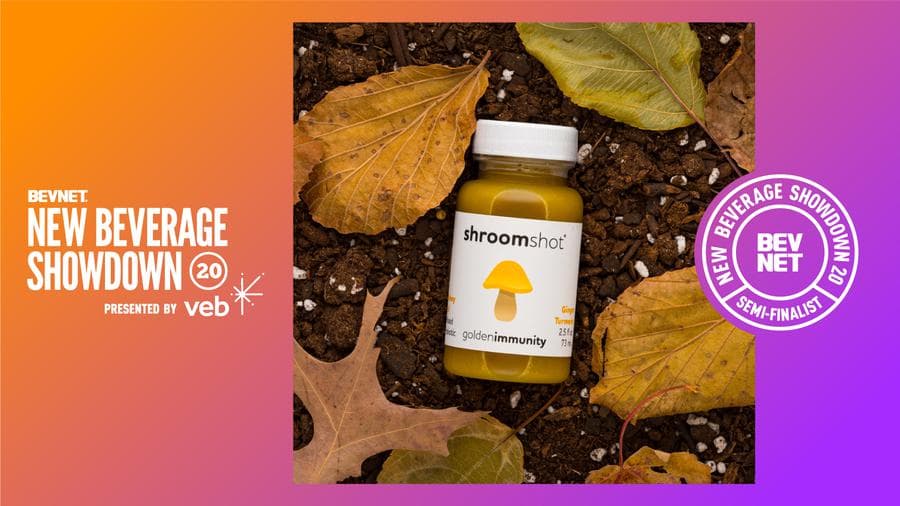
Speaker 5 [48:39] Hello, everyone. My name is Sean Dunn. I am the co-founder of Shroomshot along with my brother, Justin. Shroomshot is a line of wellness shots infused with functional mushrooms. For those of you who don't know, functional mushrooms are certain species of mushrooms that have really incredible health benefits that go above and beyond the mushrooms that you'll find in the produce section of the grocery store. These mushrooms have a really rich history of use throughout Asia and other parts of the world for their medicinal values. However, like many foods that are really great for us, medicinal mushrooms don't taste very great. In fact, many of them are bitter, earthy, or just tasteless overall. And the vast majority of mushroom products are pills, powders, and tinctures that don't really improve upon that experience. And we all know that medicine is only good if we actually use it. And that is why we created Shroomshot. Shroomshot delivers the functional benefits of mushrooms with a great taste, uh, and a convenient package that will make you want to incorporate mushrooms into your daily routine. Each one of our shots has a therapeutic dose of mushrooms, live probiotics, adaptogens, and 100% organic ingredients. Uh, we're very intentional about our flavors and the ingredients that we use to flavor our products. They not only taste good, but complement the functionality. For example, in our golden immunity shot, we have turkey tail mushroom, which is really incredible for supporting the immune system and fortifying the immune system. And we use things like ginger, turmeric, black pepper, and pineapple juice to, you know, impart that flavor and also complement that functionality. Um, beyond what's inside of our shots, our packaging is another one of our strong points. We like to say it's the intersection between beverage and medicine. Uh, we like to keep it simple, fun and vibrant and interesting. Um, as many of you are aware, there's a huge shroom broom happening right now. There's a large demographic of people that are really resonating with mushrooms as a natural ingredient to better their health, and we're aiming to be the brand that brings the mushrooms to them in the most effective and delicious way possible. Thank you.
Ray Latif [50:42] Jody, I, I'd love to get your thoughts to start out. Um, again, another, uh, brand that really fits into this, um, wellness and sort of better for you lifestyle, uh, albeit one that is still emerging in terms of its key functional ingredient. Um, what do you think about the approach of using mushrooms in a functional shot?
Speaker 3 [51:04] I love it because it is hard to get mushrooms to taste good and the consistency can often be a little funky. I think that having it in like a fun, playful package, and especially mine's gone, but the little plastic tear I kind of love on this one. Um, but I think that, you know, there's a, it's a really interesting mix of ingredients with the mushrooms. I do have to know that I want mushrooms. Like I'm impressed that there's turkey tail in this because it's hard to find turkey tail in anything, but it's not going to make me feel something immediately. It's more of like a I know it's good for me to drink on a daily or weekly basis. So I'm also kind of craving the like what's it going to make me feel in the moment, which I think will just help add to it.
Ray Latif [51:49] Uh, Richard, again, you know, we're seeing shots emerge, shots of all kinds emerge and grow into a more in demand kind of category. That being said, with mushrooms as being, you know, the hero ingredient here, is this something that that is really going to be resonate with and be specific to a natural category, or do you see it being able to break out into different channels?
Speaker 2 [52:18] I think it would be accepted by the masses soon. I think a lot of brands with the growth of adaptogens are going to take this from natural to conventional and convenience. And this brand in particular, it's very clear, you know what you're, what you are going to get the shroom shot. Uh, just a little feedback I want to give regarding the flow, uh, you know, I have the brand name to the left is a mushroom, the, the functions in the middle, and then the, the flavors on the right side. having it from top to bottom would be very helpful, but no, I think this is definitely a mainstream product. Uh, what better time than now to launch a shrimpshot.
Ray Latif [52:57] Uh, Mike, uh, in, in, uh, following along those lines in terms of feedback, um, What better time than now, but it's still got to taste great. Jody crushed, crushed her shot. Did you crush yours?
Speaker 2 [53:10] I did. I crushed them both. Nate did too, who is our resident mushroom expert, and said, I only got a little mushroom on the tail end, the turkey tail end. But I'm.
Ray Latif [53:25] All right, on that note, we'll ask for Matt's opinion on this kind of product. Um, functional juice shots out there, I mean, you know, there's, there's a bunch of them that seem to be doing really, really well. One of the key factors in terms of how they do well is whether or not they offer a clear functional component to them. Do you get that this is offering consumers a really distinct message in terms of its functionality, or do you think more needs to be done in terms of how that message, how that message has come across on the packaging and the branding?
Speaker 4 [53:57] Yeah, no, I think the, yeah, I think the combination of the, the packaging, uh, shots, refrigerated shots in particular, are now representing, you know, functional benefits pretty much across the board. You think about the immunity messaging that's coming through now loud and clear on a lot of these. This one does. And then, um, the shroom boom. Uh, I've got to use that myself in the future. Thank you, uh, from Sean. But yeah, the shroom boom and, and, and that emerging sort of trend around, um, around mushrooms as a key ingredient from a functional perspective. So yeah, I think, I think they deliver on it. Uh, I really do.
Speaker 2 [54:36] I could listen to them and say shroom boom all day long.
Ray Latif [54:40] I swear I was just going to say Mike is going to start to say shroom boom every time we have a meeting. It's gonna be a thing now. Thank you so much, Sean, and thanks so much, Matt. All right. All right. Our next semi-finalist for this round is Shayle Haywood, who is the co-founder of Gensation. Shaylon, how are you?
Speaker 6 [54:56] Ray, I'm excellent. I've seen you host so many things, and I'm so happy to be across from you
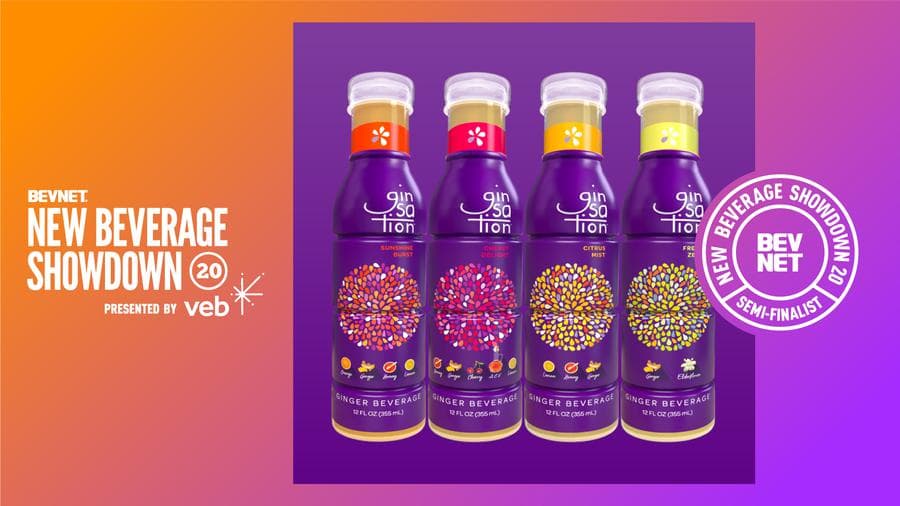
Ray Latif [55:01] today. Well, thank you very much for saying that. It's, it's my honor to be across from you. Uh, thank you so much for joining us today Thank. you. Uh, I'd love to hear about Gensation. Are you ready to give your pitch? I'm ready. Fantastic. Your 2 minutes begin now.
Speaker 6 [55:15] When you buy a ginger drink, do you want to taste it? Well, so do we. Hi, judges, I'm Shaylyn and my sister Sandra and I are the co-founders of Gensation. We created this beverage in the spirit of wanting to feel, taste, and experience the natural potency of ginger. When my sister Sandra became pregnant with her first child, this resulted in her having a weakened immune system, extreme nausea, and digestive issues that made it hard for her to stomach anything. We bought her every product we could find on the market that said it had ginger in it, but unfortunately, this left her feeling even worse because of all the additives and sugar. Like my sister, 74% of Americans are living with a digestive issue, and last year in 2019 $5.1 billion was spent on digestive health products and stomach remedies. Gensation is an everyday problem solver. Ginger is known for boosting immunity. It aids in digestion, it relieves nausea, and it relieves common cold and flu symptoms. We use a premium high quality potent organic Peruvian ginger that comes straight from the Amazon basin. Our ginger provides a robust spice and a powerful punch of ginger that gives Gensation a personality of its own. We have 4 amazing flavors and one of those is vegan. We just launched at Dr Gensation.com and we offer a mixed case so consumers can try each flavor. We'll be hitting shelves in January with a retail price of $3.99. Remember everyone, you are what you eat and drink. Vote for Gensation to go to the finals. Thank you.
Ray Latif [57:08] All right, well done, Shaylen. Fantastic presentation. Uh, Gensation. Uh, Matt, you know, Shalan talked a bit about, uh, digestive health and gut health as being so important and ginger as being an important ingredient in delivering that kind of functionality to benefit consumers, um. Is it, you know, is it, is it something that are, are more and more consumers aware of and demanding gin, uh, ginger in their beverages?
Speaker 4 [57:34] Yeah, think about it. Ginger as an ingredient has become quite mainstream when you think about the large, um, uh, you know, carbonated soft drink brands that, that have ginger as a, a flavor or and or ingredient. So there's a lot of name recognition. I think during, during pandemic times, we've seen a big uptick in, in all things that bring immunity to the body. Uh, and so certainly ginger is in that, is in that hunt very strongly. One of the top, uh, trending. Um, functional ingredients in the immunity space. So I think, I think, um, Shayle and, and her sister have, have nailed that. And, and what a great personality. I mean, uh, she, she really delivered on the, the it factor for, for me.
Ray Latif [58:21] Jody, um, When you're talking about a single ingredient focus, I'm sure that's something you understand pretty well, especially at the outset of the launch of Watermelon Water. What are some of the things that Shain is doing right in terms of enhancing the development of this brand and getting off to the right start, getting off to the right on the right foot?
Speaker 3 [58:41] Um, you know, I, that's, that's a tricky question for me because I think in some ways you can really own a category and build a category, and in other ways it can be very narrowing. I think that there's a ton of stories here. So the power of ginger, ginger being now a much more mainstream recognized ingredient is amazing. The rest of your ingredient panel is super clean and there's like it's all organic, it's, you know, there's a sourcing story with Peru. There's two sisters. There's this personality around it. Like there's a lot to it, and I think that the commitment to why you created this as an immune boosting, digestive balancing, like lifestyle enhancement could potentially go well beyond ginger, especially with a forscue lineup. Like there's other ingredients, so I would probably encourage you to look at what those are sooner than later so that you don't get pigeonholed.
Ray Latif [59:36] Mike, uh, as you know, we are fiends. We are ginger fiends at Bevnet. Love a lot of ginger in our beverages. Um, what do you think of Gin Ginseian in terms of its flavors? Is this a beverage you would drink every day?
Speaker 2 [59:48] I actually think you could dial up the ginger a bit. Um, but I, I did like the ginger. I, I obviously, I love ginger. So more ginger is OK here. Um, I had a couple of points of feedback. I think whenever you stack a logo where it's, you know, when you do ginse, shin, I think that makes it a little challenging for people to read. They'll think it's gina tan or something like that. So I would, I would encourage you to maybe move to a, a single word. Um. And uh also in the formulation, I found that uh there were, you know, the, the first skew that I tried had 2 ingredients and then I was, you know, gradually moving up into 345. And I think they almost felt like separate beverages, separate like lines or, or, uh, they almost felt like separate beverages. And I think that that could be jarring for someone who tries one and then you go to try another and it's like totally different. So I would, I would maybe not vary them quite as much.
Ray Latif [1:00:42] And Richard, uh, you know, Shaylan talked about immune health and immune boosting function as a as an important factor for more and more consumers. Do you see it that way and do you see ginger as being that functional ingredient that can deliver on that benefit?
Speaker 2 [1:00:58] Ginger definitely uh is that functional ingredient. Everything that we have that has ginger in it has been surging during this pandemic times. Even prior to the pandemic, uh, we've been seeing a lot of growth in this segment. I will say that having it be more ginger forward would be necessary.
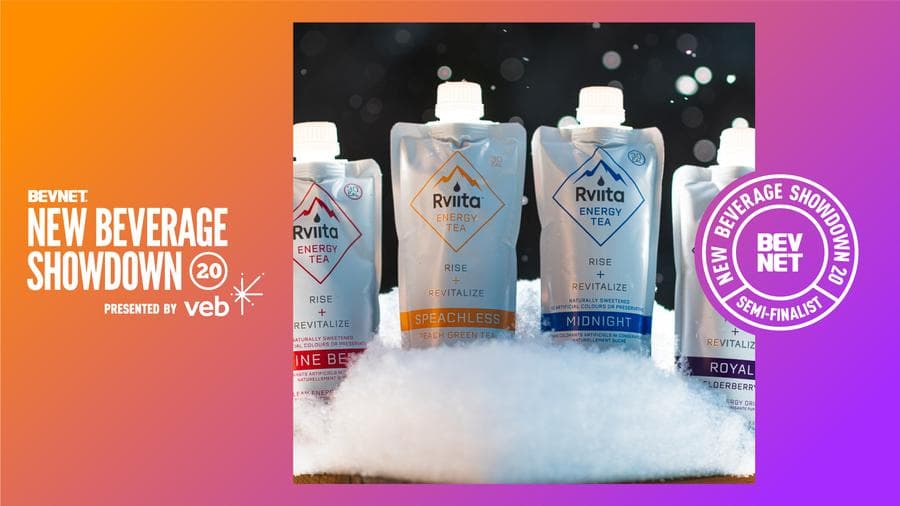
Ray Latif [1:01:16] All right, outstanding feedback. Let's move on to our We lost you there for a second, Richard, but, but I think your feedback was fantastic. Uh, let's move on to our next semi-finalist for this round, who is Mitch Jacobson, the founder and CEO of Revita Energy Tea. Mitch, how are you? I'm doing fantastic. It's such an honor to be here. Thank you for having me. Uh, thank you so much for joining us. Uh, are you ready to give your pitch? I sure am. OK, your 2 minutes will begin now. I'm Mitch. I'm the founder of Revita Energy Tea, and I want to talk to you quickly about productivity because this new normal has more demands, more stress, more distractions, and we all want to be more productive, to do more, to be better. We're all looking for that edge, something that will help keep us on our game amidst the chaos. This is the why behind Revita Energy Tea, your secret weapon for excellence. After driving a good friend in his early twenties to the hospital for a heart attack, that was Associated energy drinks, I decided I had to make a change. Revita is made with the cleanest ingredients black tea, golden organic honey, mouthwatering fruit juices from Oregon because we shouldn't be putting loads of refined sugar in our body and chemicals we can't even pronounce. Revita combines the power of natural caffeine and amino acids found in tea to create long-lasting energy without the crash, so you have the energy to focus on what matters most to you. And at only 30 calories, naturally sweetened, 4 delicious flavors provided is your go to for that afternoon slump, that tough workout, that night shift, or for some customers, even for their ultra marathons and passionate, durable, flexible. Holistic design pairs well with your business suit, your scrubs, or your hiking boots. Flexible beverage pouches take up less space. They use less materials. They're recyclable, and they require less transportation, causing less emissions. Plus they really stand out on a shelf or in the cooler. We've proven this market. Over 300 stores across Canada. We're so excited to be launching into the US starting on Amazon Prime in January and a retail shortly after. Revitalize means to imbue with new life and vitality. That is exactly what Revital will do to your day. Revita, be the best that you can be. All right, well done. Uh, Richard, Richard, let's start with you. You know, Mitch talked about the package as standing out on shelf. Is this a package that you think could fit on a lot of shelves? Is this something that would help them in the long run in terms of standing out in terms of package design, or is it a little bit more difficult given that it is in a pouch format?
Speaker 2 [1:03:55] I, I think it'd be a little more difficult and great for places like REI for backpacking and outdoor activities, but in the convenience store, you know, you may be missing cold box opportunities. It's not going to fit in the glide rack, uh, you know, it may topple over. So, you know, I understand the. It's more eco-friendly. I think you really need to get those points home, but it is going to limit you as you enter a mass distribution.
Ray Latif [1:04:21] Matt, uh, I, I think we've we've seen a couple other energy focused tea brands or energy tea brands come to market, um. You know, in terms of that sort of nomenclature, in terms of that sort of positioning, is that an opportunity, is an opportunity, a tea-based energy drink to differentiate yourself from other energy drinks and other tea drinks for that matter?
Speaker 4 [1:04:44] Yeah, I think, I think so. Uh, certainly, the, the clean aspect uh that this brand and, and others who have come before it, uh, is interesting, uh, seems, seemingly that, you know, consumers are attracted to those, that cleaner, uh, that cleaner ingredient statement. Um, the packaging, I think, while it is, is unique, uh, at least in the energy spectrum of brands. Maybe that's the connection, right? The packaging with the clean energy, um, messaging might be the way to go, uh, that might be breakthrough versus cans. Um, so, yeah, I think there's something here, uh, again, energy through a, a form different than what we've seen historically, uh, may be, um, on the way.
Ray Latif [1:05:36] Jody, a lot of times when you're selling your brand, you're selling your story, uh, and Mitch gave a little bit of background on why he created the brand. Uh, Talk to me a little bit about, you know, what you think of how that story is, could, is and could be incorporated into a pitch to an investor, to a retailer.
Speaker 3 [1:05:53] I think to an investor, to the press, it could be really impactful. I think to a retailer, retailers tend to want to know what the product is and why it's distinct and why it's in a package that's unfamiliar to them, less of the story. So there's differentiation there. I mean, I think the one thing for me is that the Ravida name, the connection to the concept of revitalization or even like productivity is an interesting angle for this brand that most energy drinks don't take. It's often about performance rather than productivity. I think that that's really interesting. I like that it's an Amazon play because it can get to people's doorsteps, at least for right now. The the taste profile for those functions though, the guarana seed was so forward for me that the concept of having like a tea-based energy, which I got really excited about, my expectation didn't match the flavor because of that intensity of that flavor. So that's the one thing that with the story and the productivity and the revitalization didn't totally connect from like all of the different layers.
Ray Latif [1:06:58] Uh, Mike, you get the last word. Um, you know, when I think of revitalization as Jody was mentioning, it's, it, it, it's, it's a word that can be used in a number of different ways. Um, you know, what are your thoughts in terms of how it's used on the package and the brand name and in terms of the label hierarchy?
Speaker 2 [1:07:16] I'm kind of mad at Jody cause I think we're mind melding right now. I think that uh this package is very clean, and with that clean, you want the flavor to come out very clean as well. And I, I think that there's some work to be done there on the formulation of, of the product. I got more of a syrupy, raisiny flavor, but that said, I understand that. For the functionality that you're going for, um, it, you know, you, you can't do just anything you want and, and get the same functionality. So I think, um, I think we're, you know, you're making, uh, steps in the right direction in terms of the, the flavor, but I, I do think there is some work there to pay off the beautiful packaging that you have there, which I think is clean and it pulls you in and gives you the feeling, you know, the feeling that that's gonna happen for you. Um, I'm, I think you can, you know, just work on the payoff.
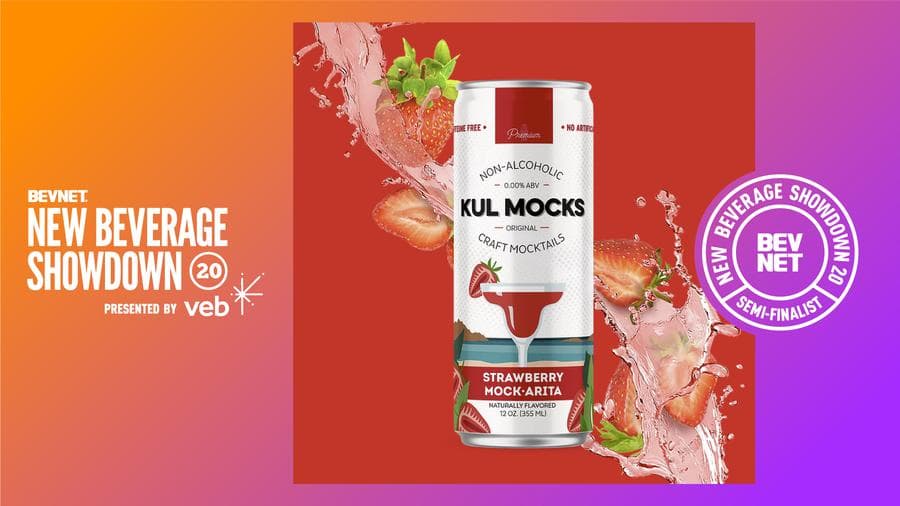
Ray Latif [1:08:03] All right, great stuff. Let's move on to our next, uh, semi-finalist for the round, who is Danielle Goss, who is the founder and CEO of Coolmox. Danielle, how are you? Hi, I'm doing great. How are you? I'm doing pretty well. Great to have you and uh excited to hear your pitch. Are you ready to give it? Let's do it. Let's do it. Indeed. Your 2 minutes begin now. All right, well, hi everyone. Great to be here. Just over a year and a half years ago, my husband and I found out we were expecting our first child. We quickly started to look for ready to ready to drink alcohol-free cocktails that felt fun and social. I was bummed when we weren't able to find many options, and much of what we were able to find still contained trace amounts of alcohol. As a registered dietitian, I didn't feel comfortable with that. Creating Cool Max wasn't just about the beverages. It was about creating the experience of drinking a cocktail without the alcohol. Handcrafted with simple ingredients and natural flavors, Fulak's ready to drink alcohol-free cocktails are flavorful and fun. Uniquely created with health and wellness in mind, Co Macs are gluten-free, non-GMO, caffeine-free, and contain nothing artificial. We use high quality ingredients and just a touch of real cane sugar, which makes them 50 calories or less, without sacrificing any taste. Confused with spirit notes to mimic the classic cocktail experience, our unique line-up of Klem's cocktails has three delicious flavors, the strawberry Macaria, the mock mule, and the blackberry mojito. We're on pace to be one of the first to market of our kind in the emerging low and no alcohol category and are poised for big growth in 2021. We partnered with beer distributors across Minnesota and Wisconsin back in July of 2020 and began selling at liquor stores, grocery stores, bars, and restaurants. We also launched an online shop to reach consumers nationwide. Finding ways to fit in and be social with the water in hand can be hard. With Cool Mas, designated drivers, pregnant and nursing moms, the sober, sober, curious, and consumers everywhere looking to drink less finally have an option. Thank you. All right, good stuff. Uh, Mike, uh, I've seen more and more cocktails showing up on your Instagram, uh, feed. I can't imagine why, uh, but if you're looking for pandemic,
Speaker 2 [1:10:42] right, just in case, spoiler alert,
Ray Latif [1:10:43] OK, there we go, um, you know, if you are looking for something with no alcohol but with all the flavor of a cocktail, you think Cool Mox kind of fits the bill.
Speaker 2 [1:10:54] I think there are aspects of it that fit the bill. I think if you like a sweet cocktail, this might be for you. I think there are other aspects to explore that are really important in cocktails like bitter and burn, and I think that these are sort of lacking here in this offering. That's, you know, that's my preference when I'm looking for a cocktail. So these mocktails, you know, they come off more like sodas for me personally, but I think for a lot of cocktail drinkers who like a sweeter cocktail, this, you know, this might be something for them to taste. One thing on the label that kind of put me off a bit was that there's a really tiny premium at the top. I think that's kind of like an elf when it's like, hey, world's best cup of coffee, you know, I think you want someone else to say your premium versus you saying you're premium on your label. I think it's, I don't think you need that there. I think, uh, I think you, you, you, you already know, uh, they're gonna turn around, look at the ingredients and say, oh, OK, I got the premium.
Ray Latif [1:11:48] Richard, as much as consumers are looking for functional beverages and beverages with a functional attribute to them, uh, it seems like they're looking for more sober, curious options, sober, uh, specific or eccentric options. Um, are they 1 and number 2, you know, how does that, how does Coolmox fit into that, uh, perceived growing demand? As,
Speaker 2 [1:12:12] as Mike It is appealing to a specific palate of those that would want to drink sugary cocktails. I think Danielle's path of going through a beer distributors is brilliant because you want to make sure that beer distributor can attack those that want alcohol and those are also sober
Ray Latif [1:12:31] curious. All right. So, uh, Jody, I mean, is this a product that you would drink? Um, I mean, I'm not sure if you're a cocktail drinker, but, um, if you are and you were looking for something that, again, asking Mike, if you're looking for something that had no alcohol for a particular reason that you were, I guess, prefer a particular reason that you weren't drinking that day, um, is this something that you would reach for in the fridge that you would reach for on a regular basis?
Speaker 3 [1:13:00] Probably not, and mostly because I love the ingredient profile. Like I like that there's only 11 g of sugar, but the addition of the natural sugars makes it so sweet that it blows my palate out. So I think for me I would be intrigued by it. I would be looking at it. I'd be impressed by what's in it. But the flavors are just too sweet for me, but I think that there's a lot of people who are really looking for alcohol alternatives and they love the ready to drink segment, and I think that that there's huge opportunity there. So I see, I see it, like I get it.
Ray Latif [1:13:36] Mhm. Matt, we've seen the Coca-Cola Company very, very slightly dip its toes in the water when it comes to cocktails or seltzers or, you know, adult seltzers, things like that. Um, you know, what are your thoughts on Cool Mox and the opportunity that Danielle outlined in her pitch?
Speaker 4 [1:13:54] Yeah, I, so when you think about this, the occasion, right, uh, what to drink when you don't drink, uh, the way I would coin it, um, it's interesting. And, and so that's what's led to this sober, curious movement, um, that we've seen, you know, be here for, for a few years and then Uh, to Richard's point, I think it's very clever for Danielle to kind of get into the beer networks because they're looking for more tonnage around this, this new occasion-based, uh, category, uh, low in, in, in zero alcohol. So, yeah, I think there's, there is a trend. There's no question. Um, you know, what we don't know yet is, uh, what brands, uh, need, what will they need to deliver to the consumer, to Jody's point, Mike's point around, you know, does it need to be, um, uh, the, the sweetness level, the flavor, the, is it, does flavor matter here? Um, uh, it's, it's not really a functional place. So, so, uh, we, we still have a lot to learn, I think, about where this goes from a category development perspective, but, uh, this is certainly an interesting. Entry into it and I think there'll be a lot of them uh to, to be watching in the future.
Speaker 2 [1:15:08] We're definitely gonna learn a lot from Cole Max. Yeah,
Ray Latif [1:15:11] yeah. All right, great stuff. Uh, well done, Danielle. Let's move on to our final semi-finalists for this round. That's Claudia Marion and Michelle Terramandi, who are the CEO and co-founders of Kite. Claudia, Michelle, how are you? Pretty well. Hi guys, thanks for having us. All right, your 2 minutes will begin now. Hi, I'm Claudia and I'm Michelle, and we're Kite. Kite is a beverage company with a mission of connecting the wisdom of plants to people. We make sparkling botanical infusions using functional herbs and adaptogens with the goal of restoring inner balance and easing stress in body and mind. We formulated a kite for people similar to ourselves who are craving more balance in their lives. We shared a deep passion for living a holistic lifestyle, but as busy working moms, we had a lot on the go. We were stressed. Our go to mom cat was adaptogens, and we fully believed in their magic. This Align passion kicked off a two year long journey of bringing Kite's Rise, Align and Unwind to the market. Kite is all about supporting our holistic well-being and bringing more balance into our lives. It's where functionality meets better for you. We sit in the functional beverage category at a price of 299 cents. We're flavorful, refreshing, tasty, and simple. That's right, kite is steeped in goodness. In fact, we make kite by steeping whole plant botanicals into infusions. This process harnesses the flavor and function of our herbs and botanicals without any sweeteners or natural flavors. Kite is organic, vegan, and Whole30 certified, and with zero sugar, it's keto and paleo-friendly. That's right, Kite is made for the wellness-centered consumer who cares about what's in the label. It's for those consumers that deeply understand that what they put into their body affects their well-being. Kite launched in late February of 2020. It's been challenging. Despite that, Kite's really taken off. We've rolled out national distribution across Canada. We have an online direct to consumer business in the US and Canada, and we're currently onboarded with our US distribution partner. All this aside, what we're finding is that people are loving and connecting to Kite, and we can't wait to continue to seek the goodness. Thank you. Thank you. Time to unwind. Well done, well done indeed. Uh, Mike, let's start with you. Um, from a packaging standpoint, uh, and a labeling standpoint, uh, what do you think of Kite and, uh, and also what do you think of the, the, the functional ingredient and the flavor name being essentially the name of the type of beverage?
Speaker 2 [1:17:53] I like the schematic. I think I like the schematic on the front for the flux capacitor. I'm hoping it can take us past 2020. I think that's what that is there. Um, no, I, I, I, like, I don't know about um leading with a feeling. I think leading with a flavor is better, especially when the flavor inside is incredible. Like, this is a really good drink. I've had this before. I can drink this all day. And I like the way that it makes me feel, but I don't think that's the thing that brings somebody to a drink initially. Now, that said, You know, maybe that, maybe that's, uh, uh, you know, I think it's a better secondary or tertiary message um for kite.
Ray Latif [1:18:30] Matt, um, when you see kite and when you picked up the can for the first time, uh, did you understand what it was, um, uh, or did it take a little bit more explanation as Claudia and Michelle offered in their pitch?
Speaker 4 [1:18:42] Yeah, no, it took a little bit of education for me. Uh, it, it wasn't an immediate connection. Uh, as Mike said, great product, tastes great. Um, as I explored the label a bit more, I obviously saw the sparkling tea, the adaptogens. It took, it just now that I realize that this point around botanically brewed to see that come out, uh, and then the calories were, were 0 to less than 5. So, Uh, a lot of, a lot of great attributes, but, but no, I, I didn't get the immediate, uh, the obviousness of all that from just looking at the package the first time.
Ray Latif [1:19:19] Richard, uh, again, you know, this is a product that has some strong functional attributes. Um, there might be a question of where does it sit on the shelf, um, you know, when you are approaching, uh, a retailer and ask them to position a brand in a certain way, um. Does it help to have a certain number of, uh, you know, attributes that make it easier to do so, or, or is this a product that, you know, you can say, OK, you can go to a retailer and tell them immediately, this belongs in this place, this belongs in this place, and it'll sell well in this place?
Speaker 2 [1:19:50] This product will belong in the tea set. I think until we see the development and proliferation of more adaptogens, we may eventually have an adaptogenic type cooler as we've seen with CBD. Uh, but I think right now this is a T, T forward, put in the tea set. And as adaptogen as a, as adaptogenic type products uh so become more popular, there'll be a new door and a new place for you guys or for, for you ladies on the cold box.
Ray Latif [1:20:18] Jody, you'll get the last word of the entire competition um in terms of the flavor aspect and how they how it interacts with the functional attributes, the functional ingredients, uh, you know, what are your thoughts on kite?
Speaker 3 [1:20:29] So this packaging is made for me. Like I'm looking at, you know, Tulsi and Ashwagandha and moringa and I'm like, oh, these people understand me. Like they get me. Finally there's a product for me. And I think that when I look at the label and I look at the package, the opacity of it made me expect something that was a little more potent in flavor. And so when I opened it and I had more of like a sparkling water experience, I found myself wanting a little bit more, a little more hibiscus, a little more orange, a little more lemon, and maybe even, and I'm like so into having no sugar in it, but I know sometimes that balance can be hard. And so I just, I found as I kept going back to it that I was like wanting a tiny bit more punch. And then for the first time in this discussion I heard the concept of sparkling tea, which I missed when I read this. And that aligns with what I'm saying. I feel like I expect it to be a little bit more intense, and I want it to be a little bit more intense because I like totally fell in love with the packaging and the concept of the whole thing.
Ray Latif [1:21:34] Alright, great feedback, great advice. Claudia and Michelle, great presentation. Thank you so much for joining us today. All right. Wow. That uh brings us to the end of all the semi-final presentations. Uh just an amazing job by all the presenters, uh, just, just always remarkable to see how folks are attempting to disrupt the beverage industry in so many unique and fun ways. Uh, congratulations to all of you. Uh, you've done an amazing job to this point. We're hopeful that we can help you in your journey, uh, in the days and months to come. 6 of you will be advancing to the final round, and that's what the judges are going to be doing, uh, right now, uh, is deciding who's going to move forward. But, uh, your friends, followers, and family will have an opportunity to vote as well, uh, and that is in our audience voting. So, we're going to show a screen now with a number that corresponds to each brand in the competition. Once again, if you want to vote for your favorite brand, just call or text the number with that number of your brand, and you can vote and your vote will be counted for the next 30 minutes. So 30 minutes from now is when the voting will stop, but please vote. All right. Uh, amazing job to our judges. Just, uh, just, I'm so blessed that we were able to have everyone here today. Such great feedback and advice. Thank you so much for all your contributions. I know this is gonna be tough to pick just 6 brands to move on to the finals, but I know you'll do it. Um, in the meantime, I just want to say thank you so much to our amazing team at Bevnet, Nash, Brew Bow and Taste Radio for everything you do, uh, bringing this high-quality content, uh, to our audience. You guys are amazing. Signing off for that fantastic team, our judges, our semi-finalists. I'm Ray Latif. We'll talk to you next time.
Related Videos
New Beverage Showdown 20 Semi-Finals - Kite
Kite presents their line of sparkling botanical beverages in the semi-final round of NBS 20.
New Beverage Showdown 20 Semi-Finals - KUL MOCKS
KUL MOCKS presents their line of craft mocktails during the semi-finals of NBS 20.
New Beverage Showdown 20 Semi-Finals - Rviita Energy Tea
Rviita Energy Tea presents their line of clean tea focused energy drinks during the semi-final round of NBS 20.
New Beverage Showdown 20 Semi-Finals - Ginsation
Ginsation presents their line of ginger-focus beverages during the semi-final round of NBS 20.
New Beverage Showdown 20 Semi-Finals - Shroomshot
Shroomshot presents their line of functional mushroom wellness shots in the semi-final round of NBS 20.