

Intoxicating hemp beverages experienced exponential growth in the last few years bringing a slew of new entrants to the category.
Last year, multi-state cannabis companies entered the space attempting to use their scale and operational expertise to siphon off market share in the burgeoning category. Tilray Brands, the largest cannabis company in Canada, announced its entrance into hemp-derived THC drinks in September.
The craft beer and cannabis multinational launched an Alternative Beverages division out of its North America business segment, which will operate nearly all its hemp-derived delta-9 (HDD9) canned drinks. Currently, the division has two brands – Herb & Bloom and Fizzy Jane’s – with an additional two, 420 Fizz and Buddy’s Bubbles, set to launch later this spring. Tilray’s Wellness division is managing the Happy Flower HDD9 brand, which was originally positioned as a CBD drink.
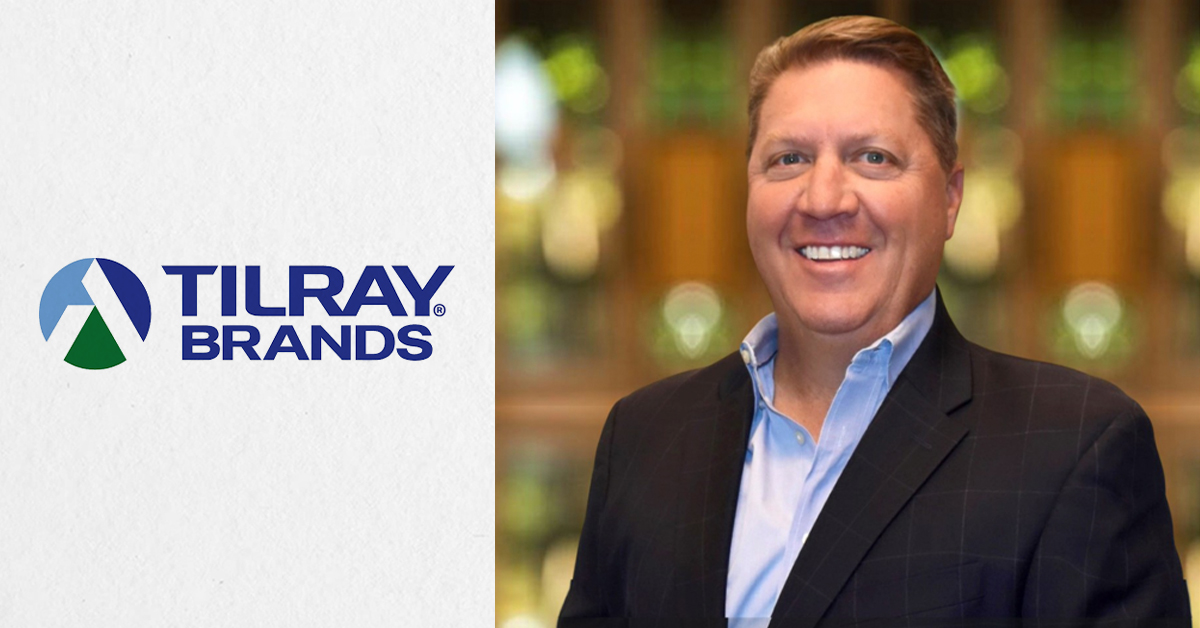
Tilray Beverages North America president Ty Gilmore talked to BevNET about how the company intends to leverage its scale to go deep in HDD9, why it split its intoxicating hemp drinks across two divisions and how it is navigating the evolving regulatory landscape for hemp products in the U.S.
Interview has been lightly edited for clarity
—
Why didn’t Tilray launch into the hemp-derived THC drink category earlier, seeing as it has so much experience operating as a cannabis company in Canada and craft beer in the U.S.?
Ty Gilmore: Tilray Brands is a global company with a lot of different business segments. What we wanted to understand is, if we’re going to get into this space, how can we grow and that we’re doing the right things.
We wanted to make sure that we’re on the leading edge on how we bring the products to distributors, retailers and consumers. We wanted to go slow and do it right because right now you have this mad rush. It’s kind of like the craft beer rush in the early 2000s when everybody was trying to get into craft beer. We just wanted to be thoughtful, smart and really strategic in how we do this.
Where does Tilray see the most opportunity to differentiate in this category?
Ty: We feel like there could be around eight different occasions for a HDD9 product – think morning ‘til the end of the night. How those brands play in those different occasions creates different styles or segments. We’ve been spending a ton of time really understanding the consumer, from the curious all the way up to someone that consistently plays in this category.
We don’t want something that’s new and hot to become a price-compressed segment. Sometimes everyone is trying to get in it and then trying to find out what the floor looks like. That’s a bad business decision. These are premium products that take a lot of R&D and to do it the right way, there’s a lot of costs involved.
Explain the decision to split Happy Flower off from the other intoxicating hemp products Tilray is bringing to market. Why take this approach rather than housing all HDD9 drinks under one division?
Ty: The great thing about Tilray Brands is we have these different divisions and there’s folks that run the different businesses that are obviously empowered to make decisions. Given what Manitoba Harvest did in the CBD space and how it created some initial consumer interest with Happy Flower, they ran with it under the Manitoba Harvest business.
Happy Flower is a mocktail. The price point is more of an opening price point versus Herb & Bloom, which is more ultra-premium. As we think about occasions and price points, it gives us flexibility to play.

Are there different distribution strategies between the Alternative Beverages and Wellness divisions?
Ty: Tilray Alternative Beverages made a strategic decision to do it a little different because our route-to-market is predominantly beer distributors in brick-and-mortar. Manitoba Harvest (Tilray Wellness) is using a hybrid approach for Happy Flower. They have some beer distributors, but a lot of their business is going through broadline.
Alternative Beverages has close to 40 distributors with fully executed contracts today. Part of doing this the right way is having a route-to-market with distributors where you have contracts. This is not back-of-the-envelope, handshake deals. We’re not trying to chase the fast dollar here.
If you go down the beer distributor route, the thing that takes time is actually setting up contracts. We needed to go interview distributors, understand their take on this set and where we’re going to fit in from a prioritization angle, like how many brands they have.
The elephant in the room with intoxicating hemp drinks is the dynamic regulatory environment it is currently operating in. When thinking about how to be one of the dominant players in the space, does this evolving legislation keep you up at night?
Ty: We fully support there being some federal regulation that holds everybody to the same standards. We’re the adults in the room.
What keeps me up at night is the bad actors. It’s the people chasing the quick buck because I truly believe that there is a large consumer base that is really, really curious about this product. It’s going to find its occasion. It’s going to be able to work across several channels.
For those that are doing this the right way and can invest, they have a great opportunity to bring a new evolution to what beverages look like in the U.S. Having regulation that holds everybody to the same standard, I think, is critically important.