Search across the BevNET CPG Media network including BevNET, Nosh, Brewbound, Taste Radio, Nombase and CPG Jobs.

Beverage School: Supplier and Partner Management
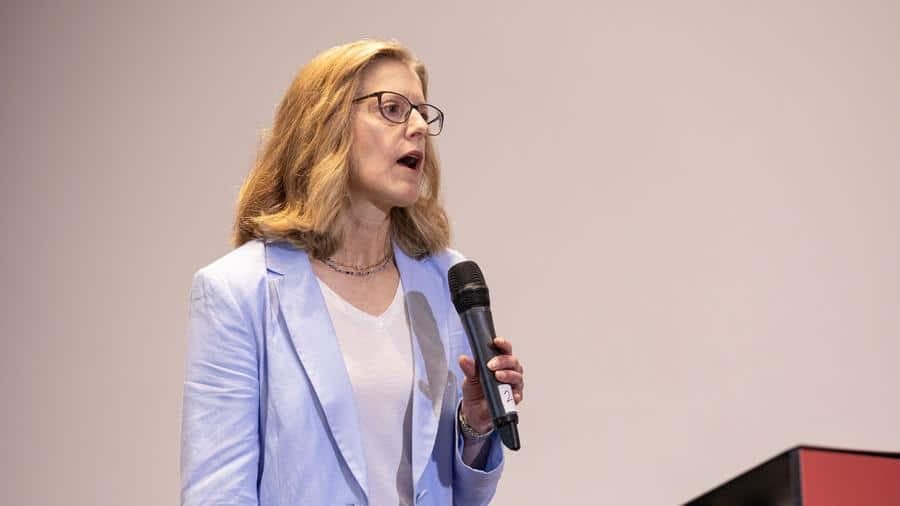
Beth Brown - Founder, BJB Integrated Supply Strategy
Transcript
Note: Transcripts are automatically generated and may contain inaccuracies and spelling errors.
Brad Avery [00:17] Hello, good morning, everybody. I'm Brad Avery. I'm the senior reporter for Bevnet and Nash and uh thank you again for coming out today. So. Uh, we're gonna hear a little bit more about angels and investment after our next speaker, but first, uh, I've always found one of the most mystifying parts of building a brand to be navigating the supply chain. And so that's why we have the founder of BJB Integrated Supply Strategy, Beth Brown up next to walk you through the standards and working with your partners for supply. Beth, thank you so much for joining us.
Speaker 2 [00:56] Morning. How is everyone today? Good, good. So I, I have a lot I can talk about, but I have a short period of time. So what I wanted to do today was just to really introduce you to kind of my foundational concept, which is integrated supply strategy. What, like what is that? And then I'm going to spend a little bit more time in the next couple 10 minutes, um, diving deep into. To supplier and manufacturing partnerships, um, it's too much to cover it, but I am definitely have some extra slides and if you have any questions we will talk about that afterwards. I consider this a bit of a puzzle, um, starting with the strategy on the bottom really is about strategy in terms of supply procurement and inventory and. That's kind of, it starts there and then it gets into things like process, um, and I when I say process, this is all processes, so including your partners, your, your suppliers, your manufacturing partners, co-packers, warehouse partners. And it gets into the concept of integrated planning and that's the that's the other thing that I wanna just make sure folks are understanding is integrated planning really is just how does everything fit together and how can you leverage your partners uh and as part of your. You know whether you're the founder or whether you're the CEO, really just making sure that you are leveraging your relationships and your partnerships as much as possible, uh, and you own all of those processes even though you may think you don't. So that's 2 and then 3 gets into planning supply and demand. And the last one is partnerships we're gonna talk a little bit more about that today. So partnerships, like I said, this is every, every one of your partners and so I think this is really relevant um for all of you. OK, so in terms of partnerships. Again this just scratching the surface you wanna make sure that as you're choosing your partners and you're thinking about your partners, uh, you're choosing ones that are scalable and flexible and most importantly adjusting, um, as your business grows. So maybe the partners that you choose in the beginning are not gonna necessarily stay with you. Year 2, year 3, year 4, you may need to start to think about additional partners. You might need to replace partners that you thought were a great fit for you in year 1 and year 2, but may not be such a great fit for you in year 4 or 5 and, and so on, uh, and so what I'm talking about today just so you're also clear is that some of these partnerships, this is not just about, you know, emerging brands and I say emerge like. Brands that are launching in, you know, 0 or year 1 or year 2, this applies to anyone on your journey, I'd say really all the way through probably year 10, OK? And then the other thing too is making sure that you're simplifying processes. So, um, what happens typically in the beginning is you get a bit overwhelmed and things seem a bit complex and so you just wanna try to set some, some expectations and some. Foundational processes and, and when I say that I'm talking about within your own company across you know as small as you may be just making sure that everyone's talking uh and also externally making sure that everyone you're communicating and you're talking and making sure that you have processes, uh, maybe that you don't think you need, um, you say, oh well, we just figure it out we're really good at firefighting we're really good at making it happen, which is fantastic. Um, but that only takes you so far and then it gets important that you start to understand I need a process for when I wanna put a new product on my co-packers' line. I need a new process if I need to make a label change or if I want to, you know, leverage another supplier, raw material supplier for different ingredients. What's the process for bringing those ingredients into the co-packer if they're not doing it for you? So that's where just some examples of things that you need to make sure you're focused on. And then last is really just about making sure that you're, you're adding value every time you move the product, whether it's into the co-pack or out of the co-packer, um, you're making sure it's adding value, whatever steps that you're following in that process. So, uh, choosing suppliers and commands, this is a bit of a summary. I'm not gonna read this in detail, but it really is about trust, um, and what value they're bringing and what value. So it's not just what value they bring to you, but what value you're bringing to them. And so I, a lot of, you know, folks say, well, what's in it for me? Well, sometimes you have to start to think about what's in it for them. Um, how can you be a better. Partner, um, and so that you work on that relationship and that you're leveraging your relationship from the beginning so that you get what you need out of that relationship so it's a little bit of both, a little bit about what's in it for me, what's in it for them, and how do we work better together to add value. And then there's also some things just how do you do that? It's just about focusing on shared interests and objectives and yes there are shared interests and objectives. A lot of times you find that when you're picking partners, um, you're not sure what that looks like. So ask questions, make sure that you are really understanding, um, how you can potentially be a great partner to someone that you're choosing just as much as they can do things for you. When I talk about total value, there's things about, you know, you're thinking if you're to, let's just say a comman equipment capabilities like what can they offer, um, and then how can you scale, and then other things like capital like you may be paying a co-packer, but if you're not using your all available capacity like so have you signed up with a co-packer that potentially Is providing more capacity than you're using? Are you really gaining what you need to gain out of that relationship? So that's something to think about. As you continue down the road, it's about building and managing that network so you've chosen your partners whether it's again warehousing or manufacturing partners and then it gets into two pieces one is on the planning side and the other is on communication. So from a planning perspective. Internal and external, you should be talking about and sharing forecasts, production plans, plans for innovation, and plans for change. Those are all things that are important to think about. And then on the communicate and obviously you're gonna communicate those plans, but then in terms of how do you communicate those plans. It's making sure that you're communicating expectations because the one thing that trips people up, uh, anyone can say that they have, um, had issues because it wasn't things weren't clearly communicated or they were, you, you assumed there was something going to happen or that things were being handled by a third party and they didn't happen anyone. OK, so it, don't be afraid to say it. I, it, it, we all learn from experience, we all learn from mistakes, uh, and I think that that's something to be aware of. And then trust and transparency, it's all about trusting your partners enough to communicate more than you think you need to and, and requesting the same of them. So it's a two-way street in terms of communication, so important that your third party partners. Are also part of that communication loop. And then it's all about continuous improvement. Your relationships take work and they take effort and so it's, you know, just important that you realize it's, it could take a while to develop that trust and that transparency, but you wanna sort of set that as an expectation from the beginning. There's a lot more on this slide that I'm planning to cover really it just gets back into what I talked about earlier about process, making sure that you're being proactive and, and holding your partners accountable, um, and that they have an interest in making sure things run smoothly. They all do. They, they don't, they don't want last minute changes they, they want information they wanna make sure that you have a process and they can be part of that process. OK and then same thing in regards to contracts or agreements a lot of times founders don't think they need contracts and agreements when they're starting out. I, I will tell you that you should probably rethink that it doesn't have to be really formal, but it's important that you put things in. Writing, it's important that there's expectations that are on a piece of paper that you can refer back to and say this is what we now they may change so that's just to be fair, sometimes contracts and agreements change over time, but it is important that you make sure you have something as a foundation. Communication I talked a lot about before. These are just some other examples of important things that you wanna be communicating, and this again because it's a two-way street. So some of this is communi communication to your partner and some of it's coming back from them. There's always cost in a partnership, so you're paying your partners for a service, and then there's, there's things that also you wanna make sure are driving value, right? And that you think are driving value back to your business. So on the cost side, most of you, this is pretty self-explanatory, right? Raw materials and finished goods, there's a cost to that. And then there's also a cost to scrap and, and yield. So make sure your manufacturing partners. Are being you know that you're sharing they're sharing that information with you about how much are they yielding? Are you, you know, wasting raw materials so it's important to understand it's not just about the finished product that it's also about the raw materials, how they're inventorying them, how they're storing them, and making sure they're managing that as well as the manufacturing or warehousing capacity. From a value perspective, I already touched on relationship relationships that bring value to both parties, information that's being shared. And then more importantly, um, you wanna make sure that you're optimizing your spend, your cash flow, so are you getting what you need to be getting out of that relationship? And that means minimizing risk to the business and maximizing quality, making sure that you're getting the amount of finished goods that you expect to get, and the quality is what you expected off the line, and that's where this important part of I talked about that written document. You know what's the expectation for finished good quality is do you have something set and have you agreed to what that looks like and who owns defects who owns finished goods that are not at the right quality standards? OK, so trying to keep this short and wrap things up. What do I consider keys to success in a partnership? Interests and objectives, that's probably number one like there has to, you have to convey how this partnership's going to work. To clear expectations. That's really, I, I almost say they're kind of 1 and 2 are interchangeable. That is also important. Implementing shared processes. Be willing to share that information and I say regularly so information isn't shared once at the beginning and once at the end. This is probably gonna share information at least monthly if not more often. So depending on how often you're manufacturing or how often you're moving product, that's important to share information on a regular basis and measure your co-packers, make sure that they're meeting the standards that you expect. OK, and if you're not sure how to do that again, ask questions. A lot of them, you know, have multiple partners and so they're pretty much set up for the most part to provide that information back but sometimes you have to ask. And then last, in terms of trade-offs, there's always gonna be a trade-off in any partnership so realize going into the partnership that you're going to have to have some concessions, some trade-offs that's just part of the nature of having a partner, OK? I'm gonna leave questions for the end, um, but I just wanted to, since I have 2 minutes left, I just wanted to quickly just mention, um, I added a slide in here. I'm not gonna go through this in detail, but I wanted to include this in the presentation as a takeaway because these are some very specific tips I would say for kind of stress reduction in that. Relationship most of them apply to the manufacturing process, but some of them are, you know, are really just in terms of overall, you know, whether it's warehousing or manufacturing or, or COPAC, and I use the teams interchangeably because depending on if you're in food or in beverage, I know most of the folks here. Are in beverage, but, um, you know, when I say co-packer, sometimes that's the actual manufacturer versus someone who's doing repack or repack, you know, in a warehouse so terms are interchangeable use these, you know, something that you can take away and focus on. There's just things that you should be aware of in terms of allowances, over and under allowances on the raw material side and on the finished goods side. So I just wanted to leave you with that um I've actually only been in doing consulting work I'd say advisory and sort of fractional exec work for about 2 years now. I have been in the beverage industry my entire career. I've been in supply chain and operations my entire career, um, and I really have. Spent most of it in beverage. I have a lot of learnings, but most importantly, the reason I got into consulting was because I wanna start to give back. I wanna work with more than one company, um, and I, I really enjoy this, or I wouldn't be doing this my entire career. So this is just sort of this is my passion. Beverage is definitely my passion, uh, and I wanted to just leave you today with I hope that this helped you in terms of your partnerships and relationships. Thank you.