Search across the BevNET CPG Media network including BevNET, Nosh, Brewbound, Taste Radio, Nombase and CPG Jobs.

Scaling Your Tribe. The Komos Way.
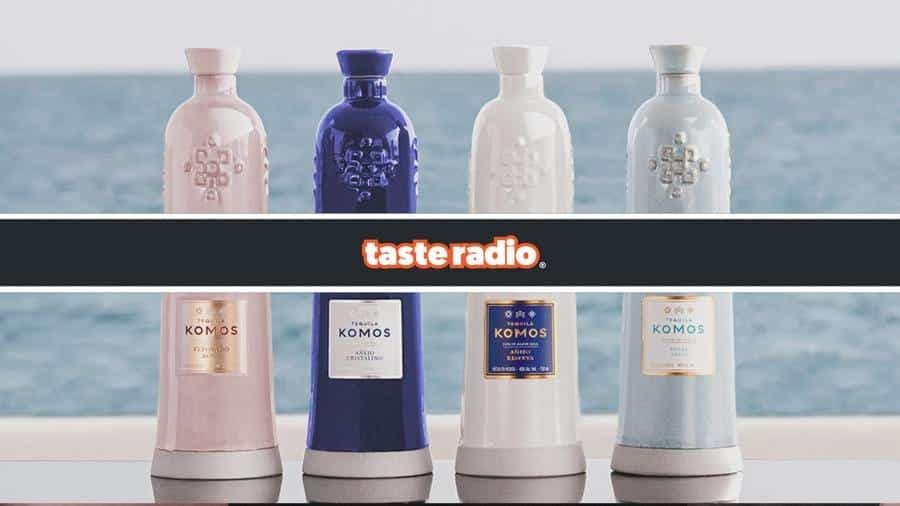
How do you cultivate a loyal following through organic growth and word-of-mouth buzz and without leaning on celebrity endorsements or splashy marketing campaigns? It’s the Komos way.
In this episode, Ria Soler, the director of education and global advocacy for luxury spirit brand Tequila Komos, talks about how the company has focused on organic growth, thoughtful distribution and authenticity to stand out in an increasingly crowded market.
Show notes:
Interview: Ria Soler, Director of Education and Global Advocacy at Tequila Komos – At the Nassau Paradise Island Wine & Food Festival last month in The Bahamas, Ria talks about how Komos brings a winemaker’s finesse to the world of agave spirits, blending traditional tequila craftsmanship with a sophisticated, global outlook. She also offers a candid look into Komos’s multifaceted approach to brand building, how it embraces product placement in popular television shows from The White Lotus to The Real Housewives, and why “all press is good press” as the company expands visibility. Ria also talks about why at the heart of Komos’ growth is a strong focus on distributor relationships, where trust and mutual respect are essential – especially during its transition into Gallo’s network. She shares the value of ride-alongs with sales reps, even if it means braving a few dirty cars, and explains why her communication style is rooted in listening and adaptability.
Brands in this episode: Tequila Komos, Orin Swift, Fortaleza, Chartreuse, Don Julio, Avion, Aviation Gin
Transcript
Note: Transcripts are automatically generated and may contain inaccuracies and spelling errors.
Speaker 1 [00:04] Hey folks, it's Ray with Taste Radio. Right now I am honored to be sitting down with Ria Soler, who is the director of education and global advocacy for Tequila Komos. Ria, great to see you.
Speaker 2 [00:15] I am thrilled to be here with you in the beautiful Bahamas. Yeah, you
Speaker 1 [00:17] look so relaxed. I don't know if that's from me or just being here at the
Speaker 2 [00:20] Atlantis. To be fair, I got in on Monday, so I've been here for a couple days, so it's definitely sunk in. Yeah, the Bahamas,
Speaker 1 [00:28] very nice. I wish I could've been here on Monday. I got here yesterday.
Speaker 2 [00:31] You going to stay through the whole
Speaker 1 [00:32] week? Well, up until the weekend, yeah, so I'll be here for most of the events, I think I'm missing the brunch on Sunday, which I heard is really cool. Yeah, it looks
Speaker 2 [00:40] amazing. Well, if you don't get on the waterslide, you're doing yourself a disservice.
Speaker 1 [00:44] I have to get on the waterslide.
Speaker 2 [00:45] I have to get on the waterslide.
Speaker 1 [00:47] I'm not really a waterslide kind of guy, but is it big?
Speaker 2 [00:50] It's, it's huge and it goes through a shark tank and yeah, it's completely exposed to the elements on a Mayan temple. It's like insanity. I'm saying that, but I haven't done it, but you
Speaker 1 [01:01] should. Well, I'm considering it now. I'm worried about lines. I'm not really a line guy.
Speaker 2 [01:05] I totally agree with you, which is why I think I'm going to go at 9 a.m. tomorrow.
Speaker 1 [01:09] OK, as soon as it opens, good
Speaker 2 [01:10] call. I'll meet you there.
Speaker 1 [01:13] I don't you may see me there actually. I don't have any interviews tomorrow morning, but I was just saying we're here in our little media and influencer space that they've given us, and it's quite empty, even though there's some background noise. That's just the Music playing here at the Atlantis and it is a gorgeous day outside and I'm sure everyone's enjoying the pool, water slide, and beach right now.
Speaker 2 [01:33] Yeah, everybody but you is outside
Speaker 1 [01:35] and you as well,
Speaker 2 [01:36] but that's because I wanted to speak with you. So as soon as we're done talking, I'm going to go back outside. Well done.
Speaker 1 [01:41] Well done. That's why I said I was honored because you could be doing something else with your time right now. Oh, but you did bring me some tequila, which I am also extremely grateful for, and we have a couple glasses here. That's
Speaker 2 [01:51] right, wine glasses,
Speaker 1 [01:52] some serious pours, by the way. What do we have here?
Speaker 2 [01:54] They are friendly. Yes, friendly pours at 11 a.m. So this is two expressions of tequila comos that are here at the Atlantis, which is great. They are our reposado Rosa and our first skew, our first baby, the Aejo crystallio. So these are both aged in wine barrels, which is why I love to serve them in wine glasses. We aerate the tequilas before they go into bottle, which actually blows off a lot of the ethanol and heat, so you're able to nose these. Like a wine and not get that kind of blowback of, you know, typically you don't want to do that. No, typically you do not, you do not, but aged in wine barrels and with that aeration they're really nice and soft. They're meant exactly for where we're at right now. They're meant to be drunk in beautiful places with sunshine, so consumed, consumed. Consumed, yes, absolutely consumed responsibly, even sipped responsibly. Well,
Speaker 1 [02:48] I would like to sip mine right now, you know, it is beautiful. I have the Rosa, and it almost looks like an orange wine. That's the color. It's very light, and there are hints of pink and orange and Maybe purple, maybe a little bit of violet.
Speaker 2 [03:05] Yeah, it's that beautiful kind of salmon color that you'd find in like a Provencal rose or an orange wine, as you say, and it's completely natural. It comes from red wine grape skins. We don't do any artificial coloring agents, so from batch to batch on the rosa, the color actually changes. Oh wow, yeah, just like a vintage of wine would. Cheers, by the way,
Speaker 1 [03:24] cheers. Oh, that is beautiful.
Speaker 2 [03:31] Yeah, it's still good. That's what I say when I sit, but don't worry, it's still good. Um, 2 months in red wine barrels. So, uh, the rosa that you're having, so Cabernet, Merlot, but you know, things as far flung as more Vedra, um, cab franc, uh, we're really trying to blend in a lot of complexity, a little bit of tannin from those red wine barrels, but some of that dark fruit, dark chocolate characteristic that you're going to get. Um, with fresh, fresh, fresh, hopefully you taste that fresh agave as well because only 2 months in those barrels.
Speaker 1 [04:01] I got to make a confession. I just got into tequila, so I, yeah, I was never a big tequila drinker,
Speaker 2 [04:08] OK,
Speaker 1 [04:08] and I have a good friend who has been on my case and saying, Ray Ray, you got to try tequila. You got to educate yourself about tequila and really. Make sure that you're tasting as much as you can because there's a lot of tequila out there and over the past, I'd say 5 years there's been an explosion of tequila brands that have come to market and I have come to really appreciate tequila in a way that I never thought I would. But the more I drink tequila neat, and the more varieties I try and the more I immerse myself in the backgrounds of how they were made. It's just such a beautiful story, and it's a beautiful expression of a plant. And as the director of education and advocacy for Tequila Komos, I imagine that's what you talk about often and pretty much all the time. But let's back up for a second, because when I see the name of the brand, I immediately think, is it Greek? Sure, yeah, sure. So talk about the origins of tequila Komos and how it came to market.
Speaker 2 [05:11] Yeah, so first of all, welcome to the party.
Speaker 1 [05:15] I am thoroughly enjoying this party, by
Speaker 2 [05:17] the way, tequila is, is such a special category, and I think for so many people, uh, there was a moment, be it, you know, early days in college or, you know, mid-twenties or what have you, where maybe you went out and had a party night and you drank bad tequila and you had, you had shots, you did limes and salts, and, and you were turned off of tequila as a category because you had not very good tequila. Right, and tequila is in the way of wine, a really incredible agricultural product that expresses terroir in a specific way that a lot of other spirits do not. And when it's handled with care, when, when the base product, the agaves are grown correctly and then put into beautiful barrels as we do, you get something really, really special, and I think it takes a minute to convince people to come back to tequila, but when you're when you're in here, you don't leave. Komos, how did we get here? Komos is a Greek name. As a matter of fact, Komos was the cupbearer to the god Dionysus, Dionysus being the god of wine and revelry, and Komos, we age in wine barrels, so we have that kind of Mediterranean winemaking influence, hence the name Komos. It actually means in ancient Greek. To throw a party to revel.
Speaker 1 [06:37] OK, and so it all makes
Speaker 2 [06:38] sense now. Yeah, we don't take ourselves too seriously. I'm sure you can tell I don't take myself too seriously. It's tequila. We should be having fun, sure. And so that's how the name came about. And then of course the brand itself is the brain baby of Richard Betts, who is a master sommelier, winemaker. He made a straw tequila, somber mezcal before this, you know, and speaking to the audience that we are, when you have that proven track record of brands that are successful enough that they sell, right, and you continue to kind of innovate, you have the market behind you to support something new. So I don't think just anybody could have come out and said. Hey, let's age tequila and wine barrels and see what happens. But when you have somebody who's got a proven track record of creating innovative brands and selling them, right, and says, I want to do this special product, product and project, you know, investors say yes, uh, distilleries say yes, winemakers that he has relationships with say yes, you can have these beautiful barrels, and, and so that's how we got here.
Speaker 1 [07:42] Now correct me if I'm wrong, how much of your portfolio is the Asian Wine barrels? Is it, is it all of, all the tequilas? All of them. So I have seen so many tequilas over the past 3 or 4 years that are marketed as being aged in wine barrels, but it feels like you guys were the originator, at least the first brand to really put that out there,
Speaker 2 [08:03] you know, imitation is the sincerest form of flattery.
Speaker 1 [08:07] The way Ria, it was a very Sly but slightly frustrated look on your face.
Speaker 2 [08:15] No, you know, here, here's something I say about tequila a lot and in particular celebrity tequila. I truly believe that a rising tide lifts all ships and the more visibility on the world of tequila and well-made tequila, right, people, consumers just even considering tequila. Thank you, The Rock, thank you, Clooney, whatever. Then they come into the category and I think the way most consumers do, they start to explore and they start to find that they want to trade up. They want something that is very well made, so I love the fact that, you know, let's say, can I say Diageo? I worked for them before. Am I allowed to say Diageo? OK, like the Diageo, you know the Don Julio. That was a direct response to our reposada Rosa. We were the first to market ultra luxury rose tequila, full stop. So when we see the big players like Diageo taking notice of what we do and creating innovation as a direct competition to our tiny little brand, we love it because it means they're paying attention and it means that we're doing something right.
Speaker 1 [09:19] You had to do a lot of the heavy lifting though, getting people to understand why this is something they should be paying for, why this is something you should be interested in. How does that happen? Because again, for someone in your position, this is your position, this is your job is to educate people as to The nuances of your tequila versus those that are currently on the market.
Speaker 2 [09:41] I'm really busy. I've been really busy for over 4 years, you know, it does require a good amount of communication and education, but People love that if, if you give it to them in a way that is that is open and not pedantic and you know give them touch points that they can understand, um, I think people are always excited about what's new and what's next and and and what's good because If these were just innovative but they weren't delicious, we wouldn't be sitting here. They are delicious and that is really a testament to Richard and his palate. You know, he was the 9th person in the world to pass the Master Sommelier certification in one go. More people have walked on the moon. It's a crazy statistic.
Speaker 1 [10:26] I'm going to use a phrase here that I'm going to get pinged for internally. It's an internal joke, joke here, when you, when you said. Talk to people about your brand and spend a lot of time talking about Komos. Who are those people? Yeah,
Speaker 2 [10:42] great question. I mean, we've got to look at segmentation here and in prior roles that I've had, I would say it was about 80% trade coms, 20% consumer. I would say I'm pretty even. split between consumer and trade now and of course when I'm talking trade I'm also talking about our distributor network because they are our number one customer right? like so in in the trade it's not just you know to bartenders. A lot of my communication to consumers is going to take place um where Komos lives and so that is beautiful resorts, high-end hotels. Hotels, um, I do a lot of fine dining collaborations with chefs. That's why I'm here tonight. I'm hosting a dinner with Bobby Flay, which is really fun. Um, a lot of country clubs, um, members clubs where they're curious about, you know, the beautiful bottles that are that are on their bar. That's, that's where I do a lot of my communication to consumer.
Speaker 1 [11:36] The bartenders are on the front lines. They're the ones who are going to recommend a particular tequila. Certainly consumers, yes, they'll look at Backbar and say, Hey, what's that? I think that's how Aviation really became the brand that it is today because people saw it on the backbar and they're like, What is that? That looks interesting. Yeah.
Speaker 2 [11:52] Also Brooke Arthur, shout out to Brooke Arthur. She crushed it on Aviation.
Speaker 1 [11:55] Yeah, I mean it is. We talk about a remarkable brand. What, what are, what's resonating with bartenders? What's getting them excited about your brand? I think this is an important question for anyone that's listening because whether you're selling tequila, you're selling soda, you're selling snacks. The people that are going to help you, the people going to help amplify what you're doing, the people that are going to advocate for you, are those, they're at the front line, they're the bartenders, the merchandisers, the buyers, the cashiers in some cases. So how are you getting them excited about the brand?
Speaker 2 [12:29] That's a great question. Um, authenticity. I think, uh, bartenders can, they're just, they're really good at reading people, um, because they have to. That's their job. They need to see if somebody needs to be cut off or is being a jerk or, you know, they're 4 deep at the bar and they see a regular that, that they know treats them well. They are, they are good. Bull bull crap meters. I don't know if we curse on this.
Speaker 1 [12:51] I said you can say whatever you want. They're good bullshit meters, right? Oh my goodness, now I have to spend half a day cutting that out of the podcast. Sorry,
Speaker 2 [12:59] I'm sorry, I've got a potty mouth, um, but, but they are. And so if you come to them with your brand story and you are, it doesn't resonate for you. Um, it's not going to resonate for them, so you need to come with authenticity and openness. You've got to listen to what their needs are. You've got to hear what, what the end users, you know, experiences, how their consumers are responding, take that feedback in, and then you've got to come at them with with the truth, I think. And so, you know, the truth of this. Brand is that we are a very sustainable brand. We give back to the community that we come from. We just won the Waste Reduction of the Year award for the entire Global Spirits Network for what we do with our, um, brick project in in tequila. And so I think when you arm the bartenders with that kind of knowledge where they feel good about what they're selling, in addition to the fact that yes, it's beautiful, it's delicious, it's high-end, it's going to increase their check average, who doesn't want to hear that, right? They're going to make more money. Um, it gives them an anchor to kind of feel good about selling what they're selling. In addition, um, I will say we all know that people are drinking less, right? It's just a fact. So if somebody is going to have one instead of 2, why not make that one be at an elevated price point. At a perhaps elevated luxury cocktail level, right where it's very experiential, it's very special for that customer, and it is the price of two drinks that might have come out of the well.
Speaker 1 [14:32] Yeah, I, I think that's an excellent point. If you're going to drink less, drink better is what I've been hearing quite a bit from folks in the industry. I think a challenge might be looking at the legacy brands that have been there and then the ones that are coming up, and people love trying new things and people love, um, experimenting with their spirits and cocktails, but loyalty has got to be such an important part of what you do. How do you, um, Uh, how do you encourage, how do you? Get people to look at Komos as my brand.
Speaker 2 [15:08] Yeah, I would say it is, it is a strategy of organic adoption. I tell people we're quiet luxury. I have these conversations one on one. I say, now you know me. Right now you know Komos. Like we, we know one another and it is inevitable. I spent the past two days, uh, Monday and Tuesday with my distributor here, Bristol, great people. I've never been to the Bahamas before, right? And I said, listen, we're going to take these bottles out at our meetings and we're going to have people come up to us that we don't know and they're going to say how much they love this brand. Like it's a shock. Like, oh my God, you have Komos. Sure enough, sure enough, 2 1st to. We were at the Ocean Club Four Seasons and then we were at this gorgeous restaurant called Oya. People said, I'm so sorry. I don't mean to interrupt you, but you have Komos. That's my favorite tequila. How? Why is that here? How do you, how do you know it? And then I get to give back to them, Oh my gosh, you know, you're part of this. I, I hesitate to say family because family is such a fraught and elated word, you know, community, you're part of this, you know, special group. That knows the brand and that organic adoption is so hard to do, you know, we don't have marketing budget. We don't have celebrities. I like to joke that Kevin Hart isn't hiding behind a bottle.
Speaker 1 [16:22] Oh jeez,
Speaker 2 [16:23] sorry, Kevin Hart, it's such a terrible joke.
Speaker 1 [16:25] It's well, he is involved with a rival tequila. I know that's why, that is that has pretty good distribution, and I think Tequila Komos has pretty good distribution too, but. I don't want to call it preciousness of its distribution, but maybe that's part of it. Maybe the fact that people can't necessarily find it everywhere. Maybe the fact that it is something that you're surprised to see in a good way has helped the brand. I can think of another brand that it's the I don't want to mention it, but maybe I should mention it. Fortaleza,
Speaker 2 [16:54] of course, when I see Fortaleza, I'm like, You got Fortaleza. Hell yeah, that means you guys know your stuff. That means you care about how this is produced. That means that you've got a relationship because not everybody can get that allocation. Do you want to hear the craziest flex? I would love to, and you can, you guys can get this out if it's not germane to the conversation. You
Speaker 1 [17:11] lead with something like that, we can't cut it. OK.
Speaker 2 [17:13] OK. All right, so I was, uh, Hawaii is a great market for. Us and I was on the big island, Hawaii and I went to the rosewood there and just the barefoot bar on the beach. I said, you know, they didn't have Komos yet, we're selling it. I said, Oh, OK, well I'll have a margarita. I've had enough mai tais. I said, What's in your well? And he said, Fortaleza.
Speaker 1 [17:32] Oh my goodness.
Speaker 2 [17:33] I said, What are you even saying to me? And the guy's name, I, I shit you not, his name was Brody. Brody was like, I don't know, man. They just give us all Fortaleza.
Speaker 1 [17:43] Wow,
Speaker 2 [17:44] what a flex. What a flex, Rosewood.
Speaker 1 [17:46] Maybe Big Island. I, I, I'm speechless. I don't even know what to say because that, I know, maybe that, maybe, maybe you just gave out the secret, the secret of all secrets right now.
Speaker 2 [17:56] Maybe we all need to get to the Big Island and steal their allocations, yeah,
Speaker 1 [18:00] but no, getting back to Komos because I think that your story about how people have come up to your table and said, hey, oh my gosh, you have this. This is my favorite tequila, um. You know, making something a bit more of a A story, a sort of a mystery is kind of important as well.
Speaker 2 [18:18] Um, well, think about what Orin Swift did. I mean, let's, let's talk since it's, it's sideways, it's, it's related, you know, um, Orin Swift made themselves into a cult if you can find it, right? They, they turned their sour grapes and made great wine out of it by the problems that they had, you know, with ownership and, you know, not being able to release their wine for a while. I think what is it, 7 years in the desert or whatever, then that became a cult of, oh, if you can find it, oh my gosh. You know, and so I think, I think if you can take that, um, story of, you know, we're small and make it a positive instead of a negative, um, I worked for Chartreuse for 4 years. Oh wow, so you know, talk about precious. I'm pretty good at telling people I'm glad you love it, but I only have this many, you know, um, so I, I do think that there is something you do have to. Be precious a little bit about it and that's not like precious, like precocious, you know, or like you don't want to share it with people. Of course everybody should drink comos, um, you know, it's, it's meant it literally means to party. We do not take ourselves seriously, right? But, but letting people know that we think it's special, I think makes them realize and feel like it's special too when they drink it.
Speaker 1 [19:33] We're here at the Atlantis NASA Wine and Food Festival, and I'm in a room. There's a big sign over there. I think it says Media and Influencer room. I'm I'm a person of the media. I might be somewhat influential. I have a few followers on the Grams and whatnot, but I'm not an influencer in the typical sense of the word. I gotta say it can be a tough time for brands and how they interact with that community. Um, it's important, um, but I think there's a lot of unknowns and you can spend money and resources in a lot of different ways that doesn't help you in any kind of way. But getting people to talk about Comos and maybe where it's distributed and where it's seen and the precious nature of it or maybe help educate. People about the fact that it is aged in wine barrels, all that's really important and disseminating that information. When it comes to that group of folks, what, what's your strategy?
Speaker 2 [20:31] It's a double-edged sword, right? You, you kind of have to at this point. It's, it's a necessary, I don't want to say necessary evil because there are some influencers who do phenomenal jobs and really, really care about what they do. And then I've seen, you know, some influencer content where an influencer will have Don Julio one day and then they'll have Avion the next day, and then they've got a face cream, and it's like, what is the, what is the, you know, how is this germane to what we do, whatever,
Speaker 1 [20:56] whatever pops. in the mail. They'll
Speaker 2 [20:58] exactly whatever's going to pay the bills, and I get it. We all got to get paid, but like, is that really the person that you want to be advocating for your brand? Um, we have done influencer content. I think sometimes it, it really works. Like we were, well, OK, so the most viral thing that happened is Taylor Swift was drinking a Rosa cocktail at Spago and the press saw it, and you know that, that you can't pay money for that. Taylor Swift. Um, so if things happen organically within that space, it's amazing and um. And when they, when they're paid for, they sometimes work and sometimes don't. I think it's a, I think it's a challenging sphere to be in. I'm certainly not an influencer. I like to think that I'm influencing the people that I talk to when I'm in front of them, but it's, you know, me and my 3000 followers on Instagram aren't aren't influencing.
Speaker 1 [21:48] Yeah, but you have an important role as the director of education. Yeah. Can you educate? Can you influence the influencer? What's your strategy for doing so?
Speaker 2 [21:56] Yeah, I mean, I think that that really comes back to making sure that if we are working with influencers that they are approaching the brand from a very authentic way that they understand our brand DNA and that their DNA of whomever they are in that influencer space works within. In what we do. Um, we've had some crazy placements as far as, um, into TVs and movies. Uh, we were this past season, the White Lotus, uh, which is great. I think that really resonates with kind of who we are. Um, we were also on The Real Housewives. Which is the other side of that coin. So I, I don't know. I guess what I do really so much is focus on trade, how they see the brand, and then really making sure that consumers have a personal touch point. So within that social media space, I leave that mostly to the social media team, and they do a great job.
Speaker 1 [22:52] But do you have any, I guess when you see something that may not necessarily. align with your Role and your focus on education. You're saying this is just totally and and this may not have ever happened, but this you might see something that says this is not in line with what we want to do and how we educate people about comos. What kind of conversations happen then?
Speaker 2 [23:22] I think we're still at the point, uh, as a brand where all press is good press, you know what I mean? Like we aren't, we aren't to a space yet where, um, I've wanted to walk back and say, hey, I don't want to be associated with this person or that person or, you know, that. That video on YouTube where they raided us and maybe they were, you know, cursing and being kind of kooky or whatever, let's ask them to take that down, you know, we, we kind of welcome the chatter because again we're still new enough that that that all is. It's, it's also relevant to us to move things forward. I, I, I could talk to you about my distribution network for like the next 5 days, but then when you get into that influencer world, it's really, it's challenging for me personally on a professional level to really reconcile all of those moving parts together. I really want my digital director here, Diana. I'm sure she's got a much better answer. No, I,
Speaker 1 [24:24] I look, I think the two are so closely related. Yeah, and I think you answered the question quite well actually about press as being all good press. Um, it's so difficult to generate awareness. Yeah, it's so difficult to generate excitement about a brand, especially one in the tequila category. Now Comos is in. The luxury on the luxury end of things. Yeah. But even then, you know, I mean, this is a new luxury brand coming out every single day and all of them seemingly deep pocketed um brands. So I think you're right. Uh, as long as no one's, I don't know. I probably shouldn't say this, but holding a Glock and, you know, yeah, exactly, and dumping a bottle of
Speaker 2 [25:06] I hate kittens while holding guns and saying, but I love comos, you know, like we don't want that. Everyone loves kittens
Speaker 1 [25:11] people aren't doing that. But yeah, um, going back to your, you know, your job and talking to distributors, they are again in a very, very important part of that, of that sales chain, um. It's actually, and people may not know this, it's correct me if I'm wrong, it's very, very difficult to get out of a distributor relationship in this business, um, and that means it's really incumbent upon you and your team to find the right people to align with, and I was talking with Tony Abugane. Just before you and I hopped on the mics and the last thing he said was relationships, relationships, relationships, relationships. How do you vet Uh, a potential partner such that you have faith that the relationship will be a good one going forward.
Speaker 2 [26:02] Yeah, that's a great question. Um, I will say that we are very fortunate in our partnership with Gallo. Um, so we still own the brand, uh, but Gallo owns the RightStar distribution in the US. Um, this happened, gosh, about 2 years ago, so really early on for our brand. I mean, the amount of focus that was on Comos just early days to, to get that kind of investment from Gallo was really impressive, and, um, that actually you said it's hard to get out of distributor relationships. It is, but part of, part and parcel of, of that, um, agreement was that we swapped over to Gallo's distribution network nationwide. So that meant sometimes we didn't have to change distributors. That meant sometimes we were leaving distributors we absolutely loved and had done such a phenomenal job of building the brand up over the past 2 years and, and, and to make new partnerships. So there's definitely been some challenges right in the past 2 years getting to know a new distribution network um and also being part of a portfolio approach versus a single brand approach. There's also huge benefits to it, a better, you know, sales force, so much more focused when we are on focus with the distributor because we're such a large chunk of chunk of their portfolio now being part of Gallo. But those relationships, as Tony, Tony was talking about, are absolutely vital, and we are in the business of people. I had a boss who used to say to me like this is a people business, otherwise. It's just booze in a bottle. Anybody can have booze in a bottle, Rhea. Like, how do you, how do you as a person, right, personify that brand and, and bring it to life in a way for your partners that they feel good about selling and they feel motivated to do so, um, developing those relationships also with Gallo, right? And the, the Gallo team and our distributor team over the past two years has been a large part of my job and, um. You know, we are such an interesting industry because yes we're we're B2B within our distributor network, but that's also a B2C relationship and so you've got to manage the business aspect of it of saying hey, you've got to hit your goals, you know, you need what incentive do you need? You don't have enough inventory on the floor, you know, like all of these things where they are our fulfillment agency, but on the other hand they're also our customers so. How do you make them feel good about the brand and when they can look at their entire book, say, you know what, today I'm going to go out. I'm going to talk about Comos, you know, and, and that has to be done on a personal level. It does. I still, I love one of my favorite things to do in this job is to go and ride along with somebody, you know, a rep I might never see again because I get to see what their challenges are on the ground, spend a day. Their shoes, see what their customers are, are honestly talking about and that kind of insight from my distributor partner, maybe it's a junior rep that started 6 months ago. They've never been in this role before to be able to connect with them and their customers over, over a day, it gives me insight into my business and then it hopefully develops a relationship where they remember, you know, that that we were, we, we spent a day together and hopefully we had a good time and I bought them a nice lunch.
Speaker 1 [29:13] They'll remember
Speaker 2 [29:14] that. Yeah, hopefully their car was clean. Yeah, that's not always the case.
Speaker 1 [29:17] Oh jeez, that's embarrassing. I don't know why you would ever invite someone into your car if it wasn't clean.
Speaker 2 [29:23] Are you kidding me? Have you never done a ride along?
Speaker 1 [29:25] I mean, I've done, but like again, I'm just, oh my gosh, it's strange.
Speaker 2 [29:29] I have been in some filthy cars.
Speaker 1 [29:32] No, no, it's not OK. You know, Rhea, I think in your job, one thing you do really, really well, and this is quite obvious to anyone who's listening, is communicating. You have developed. A way of speaking to people and a way of talking about your brand that is very clear. Talk about how you've developed your ability to communicate and your method of communicating and connecting with folks that you need to talk to.
Speaker 2 [29:57] Uh, thank you. First of all, that's very nice of you to say. Uh, no, I really appreciate it. Thank you. Um, I think first and foremost I really like people.
Speaker 1 [30:06] OK, that's important.
Speaker 2 [30:06] I, I do. I like, I like to talk to people. I like to meet new people and, and hear where they come from. So I think the best part of talking is listening because if you really listen, then you can really speak. If you're just saying, and we've all been there and I feel bad for these people, we've seen brand reps that are hosting dinners or, you know, doing their spiel. And they have their script and they stick to it and sometimes that is not what your audience wants and they feel disconnected and you feel very branded and it throws everything off, right? So you have to listen. You kind of have to feel the energy of the people that are around you in order to get what you need to get across across.
Speaker 1 [30:43] Bria, thank you so much for taking the time. This has been so great, such a fun, insightful conversation. I know our audience is going to love it.
Speaker 2 [30:49] Absolute pleasure speaking with you. Thank you so much.
Speaker 1 [30:52] Thank you, yeah.