Search across the BevNET CPG Media network including BevNET, Nosh, Brewbound, Taste Radio, Nombase and CPG Jobs.

The Kids Love Nostalgia. Just Ask Hal’s.
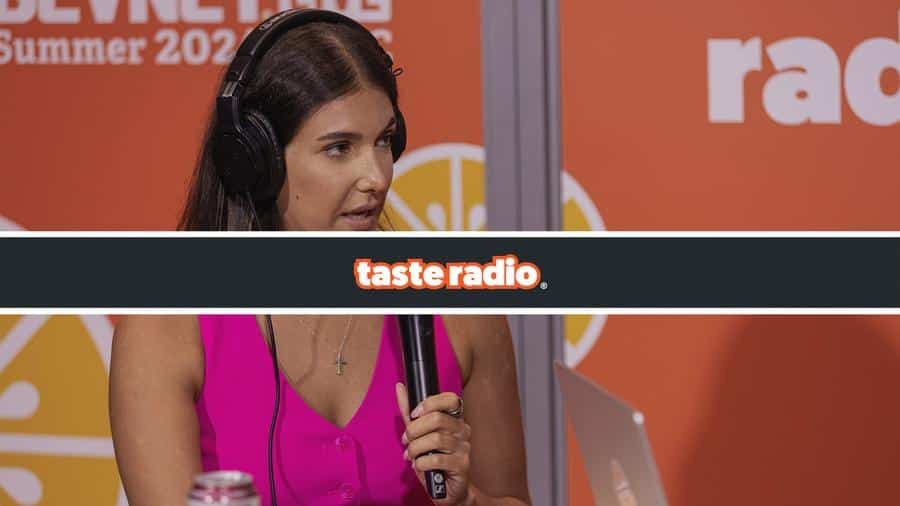
Launched in 2014, Hal’s is known for its folksy, old-school branding and that products are a common sight at bodegas throughout New York City. Hal’s is also distributed at several chain retailers, including Target, Whole Foods and 7-Eleven.
In our conversation with Stephanie, she outlines the history of Hal's and discusses the brand’s retail and distribution strategy. She also talks about Hal’s marketing and social media initiatives, and how her role has evolved as Hal's enters its 10th year in business.
Transcript
Note: Transcripts are automatically generated and may contain inaccuracies and spelling errors.
Speaker 1 [00:03] Hey folks, it's Ray with Taste Radio. Right now I'm honored to be sitting down with Stephanie Rita, who is director of brand development for Hal's New York. Stephanie, great to see you.
Speaker 2 [00:12] Hello everyone, excited to be back. Yes,
Speaker 1 [00:14] back. We sat down last year as part of our Taste Radio studio. We only had 10 minutes back then. We have a little bit longer now. I think we're gonna chat for, uh, I don't know, 2030 minutes about Hal's New York. What an amazing brand this is. Yeah, so, uh, first and foremost, thank you so much for bringing all of your seltzer and all of your snacks here to Bevnet Live. People are munching on them and enjoying them. Like, I think that's one of the hardest parts of an event is trying to find something that's just something familiar, something that you know is going to be tasty, and to wash it down with some seltzer. So that's what you're providing today.
Speaker 2 [00:51] Absolutely. And I think it's a little bit of something for everyone. We did some of our basic flavors. We do have some really exciting other. Unique flavors we'll say that we'll talk about a little later, but yeah, for today's event we just have our original sea salt kettle chips, our number one flavor over here in the white bag, and then we did our original sea salt popcorn, one of 3 popcorn skews, and we have our pretzel original. which are just, you know, the usual pretzel shaped twist, and we just put our little Hal's New York spin on them and
Speaker 1 [01:20] no functional ingredients in these,
Speaker 2 [01:22] no, not in those delicious taste, but yeah, other than that,
Speaker 1 [01:26] that's not a bad thing. It's again, I think. When someone is going to reach for some pretzels or some popcorn or some chips, it's just like that's
Speaker 2 [01:34] what I want. Let's keep it simple, yeah, we don't need to, don't need to mess around
Speaker 1 [01:37] with it. Exactly. Howell's, I feel like Howe's has been around for a while, but how old is the company now?
Speaker 2 [01:43] So we're actually having our 10th birthday this summer for the seltzer, which is crazy to think about. I feel like it's been around for a year, but at the same time been around for, you know, longer than I've even been around for. So very excited to have the celebration of our 10th birthday and then the chips have been around for about 5 years now. So I think one of my favorite things with the brand, we try to keep it very nostalgic with some of like the old school just packaging and flavors that we have as well. We have a lot of the traditional flavors which, like I said, we have some more fun, exciting, innovative flavors, but we do want to keep it very classic and with that, I think a lot of people. Feel as though it's been around for, you know, decades, and we always love to say it's not your grandfather's club soda. We try to make it very appealing to the younger generations and stuff with some of the new flavors we have, but at the same time keep that old school twist.
Speaker 1 [02:35] Yeah, I think that is the interesting dynamic. That Hal's presents or how Hal's is positioned in that when you do look at the brand. It feels like an old school brand from, you know, it's been around forever, and you said 10 years, but In a world that's driven by Gen Z consumers and millennial consumers, you know, how does that sort of old school positioning, how does that old school branding fit into that dynamic?
Speaker 2 [03:03] Well, I think at the same time, yes, as you said, so many of the Gen Zers, they want more exciting beverages now. They don't want to drink. The sodas that have been around for hundreds of years at this point, you know, they're reaching for the poppies, culture pops, and then even with iced teas, they're not necessarily grabbing for the Arizona. They want the just iced teas, the spoons of the world now. So I think with Hal's we really are able to have that fun younger consumer with some of the flavors that we do have. Such as fruit punch, mango, vanilla cream, even while still appealing, and it almost has that old school New York deli feel to it and with the original flavors that we have black cherry, lemon, lime. So I think there is some fun nostalgia to that so that the younger generation does, you know, want to try it out, but it's still something new and exciting. Do you have a fruit punch flavor? We do, yes, it's one of our summer seasonal flavors, fruit punch seltzer. Yes, so it's clear. It's a little bit trippy. It's a fun red pinkish label, and it, when you open it up, it tastes like. Hawaiian punch. Almost it has that very old school fruit punch feel, but it has the clean ingredients of our traditional seltzers.
Speaker 1 [04:10] People who listen to the podcast on a regular basis know that I love fruit punch, and I feel like there's not enough fruit punch flavors or just fruit punch period on the market. So I'm glad that you have one.
Speaker 2 [04:19] Well, we'll have to get you some to try. It's, it's honestly my favorite. Flavor,
Speaker 1 [04:22] yeah, we talked about this last year. You refer to Hal's as a seltzer, the beverage as a seltzer, not a club soda, not a sparkling water as a seltzer, which is a very Northeast New York type of term. Is that something that people, I mean, are people recognizing that seltzer is, you know, the same thing as sparkling water essentially?
Speaker 2 [04:43] I think now they are. I mean, I remember about 5 years ago when I first started with Hal's, I was at one of my First national trade shows and you know I'm telling everyone seltzer, come try our seltzer and I had people come over they're like, oh, what is seltzer and me being a native New Yorker, I was like, what do you mean what's the seltzer and had to explained to them that's just, you know, sparkling water with just some more carbonation, more flavors, but I think we want to always stay true to the seltzer brand because it is such a staple part of New York. You have New York pizza, New York bagels, and New York seltzer, um, and then I think so much. With even the hard seltzer lately, that's been, that's really, I think helped the seltzer name, so people are a lot more aware of it. Um, it does raise the question more if we are a hard seltzer or they get a little confused when they see it's seltzer with no alcohol in it, but. I mean, yeah, I think it's definitely helped the name and helped us a lot.
Speaker 1 [05:34] I think it's also great to use the word seltzer when people in this area pronounce the word water as water, water, water, water, yeah, I think that's, I mean, if you were saying it's a sparkling water, somebody might be like, Well, what is that?
Speaker 2 [05:49] Or if
Speaker 1 [05:49] you're
Speaker 2 [05:49] Jerry, it's seltzer water. So I think sometimes people get a little confused with that,
Speaker 1 [05:54] and Jerry is.
Speaker 2 [05:56] Jerry is um Big Geyser's COO president and also I'm very lucky to be his daughter. So I've grown up in the industry, been flipping bottles around since I can truly remember, um, so it's been a really amazing experience to just to have grown up in the industry and be a part of it every step of the way with him. I mean, I don't have a better role model between him and Louis, who I've also grown up around, and it's just been an amazing experience to have built this with the both of them.
Speaker 1 [06:24] Totally. I want to talk more about your Role in your evolution as I, and you know, before we hopped on the mic, so I was talking about, OK, so what does the director of brand development do and it sounds very much like a founder, so I mean, I, I want to talk more about that in a sec, but going back to the seltzers and flavor innovation and you know, how it fits into modern consumer culture, when you are uh thinking about flavor development and you are creating seasonal flavors, how much testing goes on? I mean, because you yourself, you're a young person, I mean. Is it, is it just instinct? Is it intuitive that you think? That your consumers will like a particular flavor, or is it a lot more research data focus group driven? Yeah,
Speaker 2 [07:06] it's a little bit of everything, to be honest. I think at this point we have a very established fan base and we know what they're going to gravitate towards. At the end of the day with all the innovation that we have come out with, I think. The top flavors are always going to be whether it's for the chips or for the seltzer. Our original black cherry, lemon and lime for seltzer, and then even for the chips, it's original barbecue and sea salt and vinegar, so you're always going to have those classic flavors that are going to be on top. So we try to always be cognizant. Of that and then at the same time with all the innovation we do want to come out with, we never want to cannibalize our own space. So we're very aware that especially in the stores up and down the street, the bodegas, the little markets, they only have so much space. So we don't want to, you know, come out with these new flavors that we of course have hopes they're going to do well. We know they will do well, but we don't want to be taking away from our own shelf space and taking away from some of our top sellers.
Speaker 1 [08:01] It's so funny you say that because I was just talking to Nicole Dawes, who's the founder of Nixy, uh, they make sparkling water and now they, they make a soda as well, a zero sugar soda, and she was talking about the importance of knowing and promoting your bestsellers and not, um, you know, not putting a product out there. Where another product that's that you have in your portfolio could be doing better and you know it could be doing better, um. I also think about, you know, package type because you have cans and you have bottles as well. How does that work? How do you think about, you know, where certain packages belong in certain stores and retailers? Yes,
Speaker 2 [08:36] we have our standard 20 ounce single serve seltzer that's been our bread and butter our day one. And within the past couple of years, just with some of the changes that the corporate cafeterias were doing, they did a lot of no plastic initiatives and as soon as those took into play we. So many different emails, inquiries from consumers, and just even the customers reaching out directly to us saying that they were receiving so many questions by asking, Where's our house seltzer? We miss our house seltzer. So that really was the reason that we expanded into the 16 ounce cans and from there we are selective with where we'll place it, but I think that's really grown organically up and down the street more than we had thought, so. We do want to traditionally stick to placing the 20 ounce single serve up and down the street in 7-Elevens with a lot of our um chain authorizations and other accounts, but yeah, it's, it's doing well up and down the street even though that wasn't the traditional focus. I think we're a little surprised about how well it has done.
Speaker 1 [09:34] How do you think about the, you know, your social media strategy and, and making sure that what's being portrayed. is an honest representation of the brand. Yeah,
Speaker 2 [09:45] absolutely. I mean, I think what you were saying before, it's kind of hard to be inauthentic because it's going to be shown, you know, if we're trying to be something that we're not, it's going to be very evident to whoever's viewing our profile and whoever's the true fan to the brand. So at the end of the day, we are a seltzer and chip company. I don't think. It's more fun than seltzer and chips. So we really just, you know, try to keep it fun, keep it very light and just highlight the different aspects we have, whether it's all the exciting flavors we have, the new innovation we have, or just some of the classics that we have with the chips. Uh, the new pretzels that we recently launched, the popcorn. We also have some new ginger ales that we launched that have been really fun. It was the first time we experimented with doing some flavored ginger ale, so we have the grape and raspberry, and I think that's brought a whole new fan base. So that's been really fun to do as well and just we always showcase them and highlight them first on social media and get our fans really excited and then. Our distribution's been so great so that as soon as we're posting and the consumers see this, they're able to go directly to their local deli or market and purchase it.
Speaker 1 [10:52] We've talked so much about your younger consumers or the folks that make up the younger part of your consumer base, but if you're up and down the street in New York City. I would think you're attracting a lot of blue collar workers. Do you have to market to those folks, or is it more a function of We just have to be available for them at all times,
Speaker 2 [11:13] more so available, um, you know, we do want to market to everyone, but our biggest customer at the end of the day is 7-Eleven, so that obviously is getting so many different, um, blue collar workers every single day, probably more than any other market I would have to think. So we want to just always make sure that we're readily available and more often the exclusive seltzer in these accounts. So we want to go in there and be the only seltzer that's sold there, be the only kettle chip that's sold. That's been a big strategy for us that we've seen works a lot and with that you don't even need to market as much necessarily.
Speaker 1 [11:47] How do you become the only seltzer or only cannibal chip that's sold at 7-Eleven?
Speaker 2 [11:51] We have an amazing sales team and you know they've built incredible relationships and then when you go in there and then just show the numbers that we have and the prices that we're being sold for, it's a way that we can kind of just wipe out the competition.
Speaker 1 [12:05] When you say the prices, are you trying to undercut your competitors?
Speaker 2 [12:10] We'll say we're a better product at a better price.
Speaker 1 [12:12] OK. What's the typical price of a can or a bottle of seltzer at 7-Eleven?
Speaker 2 [12:17] I mean, it depends on whether or not they're running the promotion. So some of the franchises might, some of the franchises might not, but we'll try to keep a sweet spot around $2 per bottle.
Speaker 1 [12:27] And your chips
Speaker 2 [12:28] and our chips, they can range anywhere. I mean, it's going to depend on there, and by
Speaker 1 [12:32] chips I mean your snacks.
Speaker 2 [12:33] Yeah, it depends. We have the small bags. We have a 5 ounce bag and then an 8 ounce bag, so we usually will run a lot of promos, especially at the chain stores, but it could depend anywhere from 2 to 250 a bag. So we try to keep it at a reasonable price and then we'll build those in with a lot of meal deals.
Speaker 1 [12:52] How often do you run promotions for the brand?
Speaker 2 [12:54] It's really going to depend on. The market that we're talking about King Collin, which is a chain in Long Island, they do a really good job with our promos that will run sometimes seasonally, sometimes through the year. Same with Stop and Shop, Shoprite, 7-Eleven, as I mentioned prior, Target, we have promos as well. A lot of them are on either seasonal schedules or they might be for the year. Whole Foods, we're on just different, um, they'll be like 2 weeks on, 2 weeks off, a schedule like that.
Speaker 1 [13:23] Sometimes I hear from founders, in particular ones here at Bevnet Live, about what it takes to be successful in New York City in Manhattan at the bodegas, and you know, you go in there and It, it's actually kind of surprising how much inventory, how many, how many the selection, the broad selection that some of these places have. And there's so many options, you know, people can just pick up whatever they want and you know, why would they pick up your brand? What's, what's compelling them to pick up your brand? Um. If you could whittle it down to say one or two reasons why or how you're successful up and down the street in New York City. What would they be? I
Speaker 2 [14:01] mean, I do think the number one is our distribution in the New York market. We are distributed by Big Geyser and they are. Incredible. I mean, I truly can't say enough good things about them, and they just have been around for over 30 years at this point. They've just completely owned every market. I mean, they're just customer service obsessed, truly, um, I've never seen any other distributor have those kind of relationships. that they have and they have such loyal sales managers and they've built great relationships so I think with that whether it's a new product that they have um or a product that they've had forever they just really know how to either debut it to their customer or just continue to sell it they're not going in and just. You know, taking orders, they really are constantly selling, and I think that's such a huge part of our success and um yeah, going back to that and then also like I said, I think just the innovation that we've had like we mentioned before, the fruit punch seltzer, um, some of the chip flavors we have, we have a honey barbecue, a dill pickle, a buffalo ranch, so a lot of those we don't see from our competitors and then. With the seltzer or with the ginger ale, we're doing a lot of things that appeal to just vast demographics and consumers,
Speaker 1 [15:14] you know, in the bodegas, I think the owners have a ton of power as they should in terms of where a product should be placed, where it should be merchandis on the shelf. I also think the distributor probably has a good amount of influence and input as well. But how do you get them working together to best support your brand?
Speaker 2 [15:35] I mean, yeah, at the end of the day it is going to be the bodega owners' choice where to put the product, and they only have so much space because they of course have so many different products. So a lot of it is up to our sales team to work with the bodega owners, managers to try to find the best space. We always want to be in that premium eye-level selling position. eye level is bi-level, um, and we really want to always just try to gain that space and with that. You know, it kind of has to be a successful product that's going to be in that space. If we didn't have the numbers to back it up and the sales to back it up and we just wanted that premium positioning, obviously it's not going to happen most likely. So just having that success has really helped and at this point. The product has been around for a while and does have that success, especially in the bodegas and any up and down the street markets.
Speaker 1 [16:21] Do you still have to do refills and things like that?
Speaker 2 [16:24] No, we really don't. We haven't really, and I think that's something that's also really unique and something that we're proud of with the brand. We really never did refills. I think it's really just been an amazing success story and it has happened very organically, and we're very excited to see where it's going to go next.
Speaker 1 [16:39] By the way, I've never heard the term. Uh, eye level is bi-level. I
Speaker 2 [16:43] like that is bi-level. I know. Should we trademark that?
Speaker 1 [16:46] You should, you should, and I hope people know what that means. Buy as in the customer wants to buy it as well. Yes, um, Stephanie, as you mentioned, you know, you've been in this business for a long time. Uh, your dad has been a key mentor of yours, uh, as you've been building hells, and again, I would consider you as much a founder as anything. You do a lot for this brand, um, but what are, what have been some of the, the most challenging parts of Learning how to, you know, best manage, promote, and run a brand like Hal's New York.
Speaker 2 [17:16] I think, um, well, like I said, going back to just having that partnership with Big Geyser and have been able to see what it's been like since day one, I think a lot of people come in and they see the success of either our brand or the success of Big Geyser and don't realize the hard work that goes into it, um, and it really is very long hours and. I mean you could be spending an hour minimum in one single account whether it's you're trying to get that deal with the manager or you're packing out a lot of grueling hours, um, especially over the summer and I mean our sales team in the city is constantly walking from account to account and then you have our sales managers on the east end of Long Island that are driving 2 hours just to get out to Montauk from Bridgehampton, so. It's a, it's a lot of work and time and effort that goes into it, but I think that's also how we shine so much because we really do have the best of the best between our distribution and our amazing sales team with Hal's. I mean, I truly, we would not be where we are without our amazing team with both Hal's and the geyser.
Speaker 1 [18:21] So, you know, you personally, how have you grown? I mean, how have you evolved as someone who You know, has taken a significant ownership of the direction of Hal's New York.
Speaker 2 [18:35] Yeah, so I've been at Hal's since the day after my college graduation in June of 2018 and have been there every day since. And to be able
Speaker 1 [18:44] to see like your sixth year anniversary, I guess.
Speaker 2 [18:46] Oh yeah, it's very exciting, very excited to be here and celebrating it with you guys, but um to be able to see how we've transformed since those days. I mean we had probably. A seltzer flavors at that point. We didn't have the cans. We didn't even have the chips at that point. That I think is always like what trips me up the most thinking how successful we are with the chips now and then to think we didn't even have those a few years ago. And I remember being so nervous when we launched the chips because I'd only been at the seltzer brand for about 1 year at that point and I knew nothing about snacks. I had some previous beverage history, but With snacks kind of going into that blind and it was such a fun but obviously challenging experience and to have been able to just grow that with our team since day one has been incredible and everything that we've done differently with marketing, especially over the past year or so because I think when we first started selling the brand it was kind of just get it in every account and we don't even need. Marketing that was always kind of the mindset with it, but now we've been able to play around a little bit more with some of our marketing, and it's been so much fun to be able to evolve in that way.
Speaker 1 [19:53] So what's next for
Speaker 2 [19:54] Hal's? That's a very good question. Like I said, it's our 10th year birthday, and we have a lot of exciting things down the pipeline this year which I can't share at this point, but I'm very excited to share. You probably come fall time and between new flavors and then just some other brand extensions we'll say we're very, very excited for it all
Speaker 1 [20:14] like Hal's New York candy bars
Speaker 2 [20:16] potentially,
Speaker 1 [20:17] potentially. OK, you heard it here first Joe's excited. Joe, our audio engineer, he heard candy bars and he's just like those ears perk up a bit. Exactly. Did you see that? Like it literally. It just made a chopping look. All right, anyway, uh, Stephanie, it's been so great speaking with you. Thank you so much for taking the time.
Speaker 2 [20:34] Awesome. Thank you so much, Ray. This was great.
Speaker 1 [20:36] Thank you.