

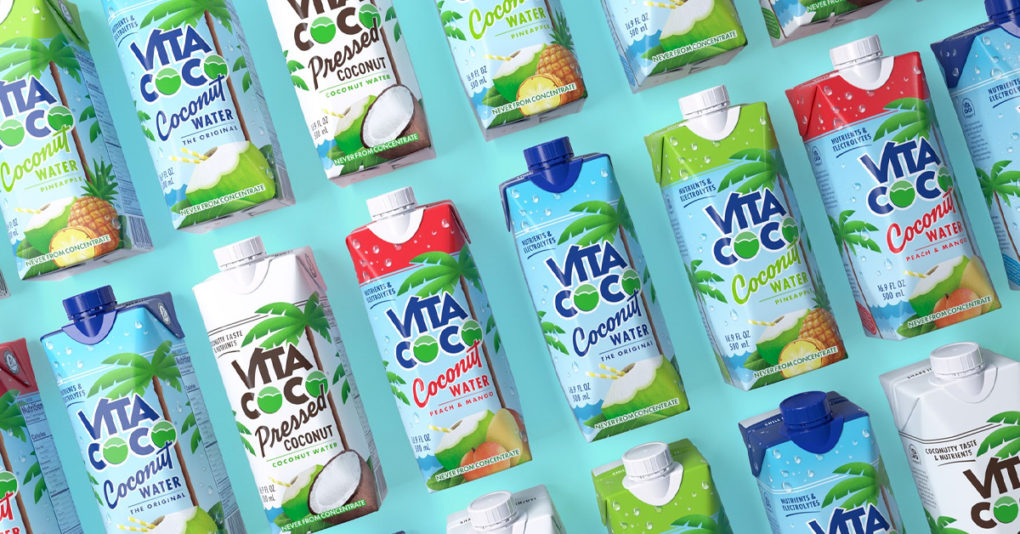
The Vita Coco Company kicked off 2025 with a bang as the company touted double-digit net sales growth across all territories in its Q1 earnings report today.
Net sales for the company were up 17% in the quarter to $131 million, with the U.S. growing 24% and international sales growing 36%, according to the company.
Net sales for the core Vita Coco coconut water brand grew 25%. Gross profit was up by $1 million to a total $48 million and gross margin was 37% of net sales.
“We believe this growth is being fueled by our focused investment as the [coconut water] category leader in these markets, driving increased household adoption and new consumption occasions, together with the benefits of a stronger inventory position to start the year,” said co-founder and executive chairman Michael Kirban in a statement.
CEO Martin Roper attributed the growth to “exceptionally strong shipment performance in the first quarter” coupled with “very strong demand for Vita Coco Coconut Water,” pointing to a well-received national rollout of its Vita Coco Treats line as a win for the business.
Vita Coco reaffirmed its full year 2025 guidance of net sales between $555 million and $570 million with anticipated growth in the mid-to-high teens for the core brand.
The affirmation of prior guidance comes as the company acknowledged the volatility and unpredictability of the global trade environment following the implementation of President Donald Trump’s tariff policy, which includes a baseline 10% tariff on imports and exports from most foreign countries.
During its earnings call with investors and analysts, Roper noted that the company had “entered the year with very healthy inventory” which has given the business cushion against the immediate impacts of the tariffs, at least for a few months heading into the summer.
Working to lower its cost of goods, seeking the support of suppliers and foreign governments, and “some shifting of sourcing” are all options on the list for the business as it looks for ways to navigate and adapt to the rapidly changing trade environment, as well as price increases.
The company’s guidance is based on the assumption that the 10% baseline tariff stays in effect, but does not factor in potential reciprocal tariffs, Roper added. Because Vita Coco sources coconuts primarily from the Philippines and Brazil, reciprocal tariffs could potentially lead to total cost increases around 20%, but he cautioned that prediction is “highly hypothetical.
“We’re in a very good position to weather whatever might happen, plus also deliver on our guidance, even with the 10% tariff price lines,” Roper said.