

Flavor and Ingredient Trends 2026
Whether it’s a sign of brilliant creativity or just good old fashioned choice paralysis, consumers are kind of all over the place these days.
From mixing up wild dirty soda combinations to packing protein into every drink imaginable, there’s something of a manic streak running through CPG at the moment, as Americans seemingly want everything all at once and beverage makers gleefully try to indulge them. Yet, as we heard from ingredient suppliers and flavor houses in our preview of flavor and ingredient trends at the start of the new year, it’s deeper than just that. Creativity for its own sake may work in the short-term, but lasting innovations will need to be anchored in deeper purpose and functionality.
Boosted by the rise of MAHA, the reordering of nutritional priorities and trends has created vast opportunities for new product development, pushing nutrients like protein and fiber to the forefront, overtaking concerns about sugar or plant-based diets in the process.
Ingredients In Focus
Adventurous palates, particularly among younger consumers, continue to support the expansion of global flavors, but many are predicting old favorites will keep their hard-earned places in 2026.
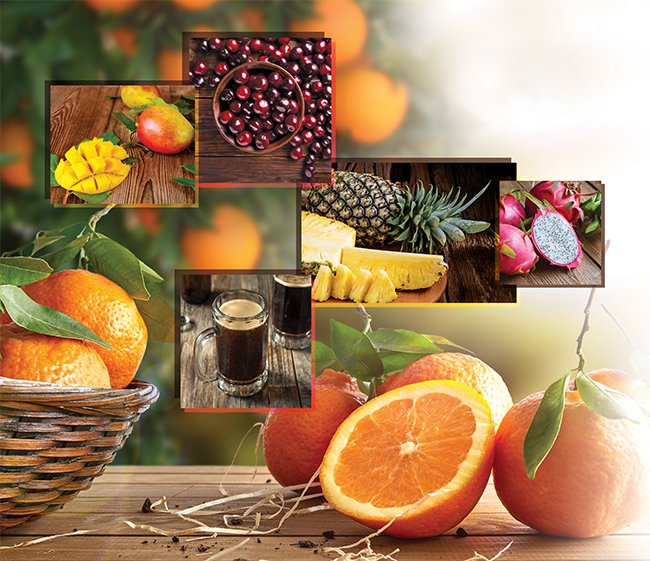
Classic fruit flavors dominated Kerry’s annual Taste Charts report, with Orange ranking top ahead of Strawberry, Mango, Lemonade and Pineapple in terms of refreshing beverages. Orange reported over 41% year-over-year growth, and inspired 690 new product development (NPD) launches, per the report. But looking ahead to the short-term future, the rising influence of modern soda can also be seen with Cola being highlighted as one of the year’s fastest-growing flavors, and Root Beer cited as one to watch for the future.
The rise of dragon fruit in particular is “more than a trend,” per Kerry, but rather a “testament to the global appetite for adventurous, refreshing flavors” in beverage. The fruit’s mild sweetness adds to its versatility across hot and cold beverages, as well as alcoholic and “alcohol-inspired” drinks, of which it is ranked as the fastest-growing flavor in the space. The overall momentum has led new product launches to jump 17% CAGR from 2023 to 2025, and was reflected in 2025 via new SKUs from Evolution Fresh and ROAR Organic, as well as at cafe chains like Starbucks and Gong Cha.
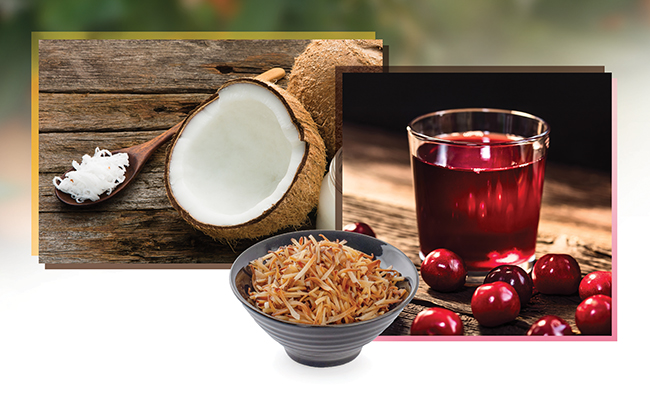
Versatility is also a big asset for Dark Sweet Cherry, picked by ingredient supplier T. Hasegawa as its Flavor Trend of 2026. In beverages, the rich sweetness and subtle bitter notes have crossed over into non-alcoholic (juice, matcha) and alcoholic (cherry martini) spaces. Complex-but-approachable flavors are in: see toasted coconut, picked by Monin as its 2026 Flavor of the Year. While past years have seen more interest in sweet-spicy drinks, toasted coconut leans into sweet and savory (“swavory”) notes that work in iced lattes, dirty sodas and other on-trend drinks.
Yet there will likely be plenty of room for pure indulgence in 2026 as well. The “dirty soda” wave will continue, predicts T. Hasegawa, offering a canvas for blending nostalgic soda-shop culture with other drink types to create highly customizable, social media-ready flavors.
Protein, Gut Health Keep Pushing
The combination of several current trends — including the MAHA movement, app-based nutrition tracking and GLP-1 drugs like Ozempic — will likely continue influencing the beverage market in 2026 and beyond.
Over the past year, that’s been reflected in surging demand for protein-boosted drinks, as seen in releases from sodas to Starbucks. Demand for protein-rich, nutrient-dense options is likely to grow, noted Whitney Evans, Director of Nutrition Science,
Research & Innovation at Danone North America.
“As consumers dig deeper into protein and health, we’re seeing a shift toward options that deliver differentiated benefits beyond just grams of protein,” she said, citing as an example last year’s Oikos Fusion, which offers complete whey protein and free leucine for muscle support.
That behavior is enjoying strong adoption within Millennials and Gen Z; according to SPINS, 56% of that group follows a
specific high-protein diet, dwarfing low-carb (41%), gluten free (34%) and plant-based (32%). They also consume differently,
replacing meals with snacks (often drinkable ones, like juices and CSDs) at a higher rate than Boomers or Gen X. That may explain the growing push to integrate protein and other functional ingredients into formats like coffee, soda and energy drinks. Energy in particular is resonating with Gen Z and Millennials, commanding
56% of dollars from the cohort, compared to 34% for chips,
pretzels and snacks.
Yet there are also signs that consumers may be rethinking where they are getting their protein from, with SPINS predicting that protein as a “pure play” – less “gimmicks,” more real foods – will be one of the major macronutrient trends of this year. If true, that should boost dairy categories like drinkable yogurts and milk, the latter of which could further help enhance the protein profiles of categories like coffee.
The addition of prebiotics and probiotics helped spark a soda
revival over recent years, and appeals to gut health will continue to create opportunities for beverage innovation, specifically around fiber. Without overshadowing protein, fiber will complement diets as consumers realize its importance for gut health, reports T. Hasegawa. As “fibermaxxing” spreads on social media, “greens” drinks from brands like Huel and Be Amazing have emerged to meet that demand.
But there’s plenty more room to expand: High-fiber RTD tea and coffee was up 70% this year, while soda rose 29%, according to SPINS.


Receive your free magazine!
Join thousands of other food and beverage professionals who utilize BevNET Magazine to stay up-to-date on current trends and news within the food and beverage world.
Receive your free copy of the magazine 6x per year in digital or print and utilize insights on consumer behavior, brand growth, category volume, and trend forecasting.
Subscribe