

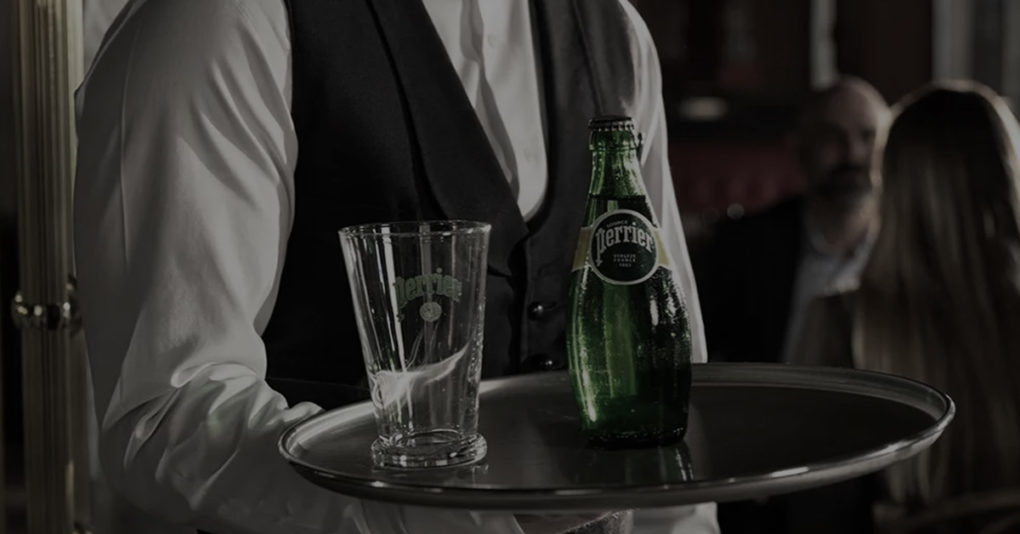
It’s a bottled water scandal that goes right to the top.
A French Senate investigation found this week that Nestlé colluded with French government officials to cover up that it had filtered its Perrier brand of sparkling water in clear violation of French and European Union standards for the term “natural mineral water.”
The report claims that Nestlé Waters had begun lobbying French officials in 2021 to allow it to continue calling Perrier “natural” while treating the water.
According to The New York Times, members of President Emmanuel Macron’s office were alleged to be fully aware that “Nestlé had been cheating for years.”
In France and the E.U., the term “mineral water” is defined as being untreated from the source and filtering the water while still using the phrase on bottles is strictly illegal.
The investigation also draws attention to a couple of pressing issues: Nestle’s plans to sell its bottled water portfolio, as well as the long-term viability of natural water sources for beverage brands.
The report comes after Perrier fell under heightened scrutiny last Spring, when water in one of its wells showed signs of contamination. Around the same time, a 2023 report shared with media showed signs of banned pesticides in some of Perrier’s water sources.
Although Nestlé destroyed at least two million bottles of Perrier for safety concerns after the contamination came to light, the company was still the subject of a French government probe following word that it had been filtering Perrier water for sale.
Nestlé paid 2 million euros (about $2.25 million) to settle the dispute in September.
While this scandal may on its face sound like a mundane dispute over labeling regulations, French senator Alexandre Ouizille told the Times it speaks to a serious issue of “regulatory capture and state-industry collusion” and one watchdog group said that Nestlé has acted as if it’s “above the law.”
Nestlé has not admitted wrongdoing but in a statement said the issue highlights “common challenges” for bottled water and that food safety is “a primary goal.”
These latest findings arrived just weeks after Nestlé reportedly hired financial advisory firm Rothschild to help with a planned divestment of its water division as the Swiss conglomerate has said it intends to focus its attention on its biggest brands, with the division valued as high as $5.6 billion, according to Reuters.
In November, Nestlé said it intended to spin out its water business – which includes Perrier and San Pellegrino – into a standalone unit and that it sought to trim costs by $2.8 billion by 2027.
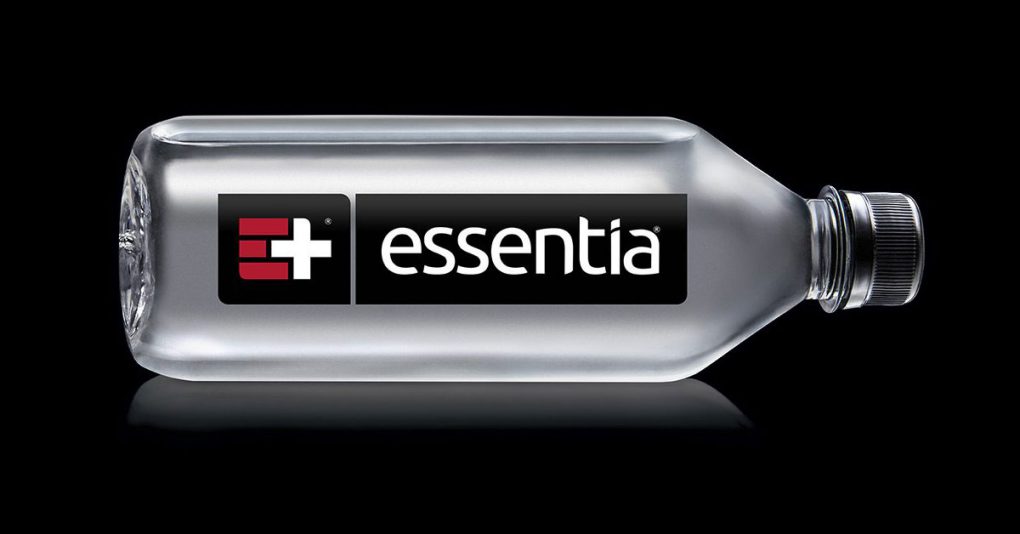
It was only four years ago, in 2021, that Nestlé acquired premium alkaline water brand Essentia in a deal rumored to be around $700 million.
That deal went down within weeks of Nestlé selling its Nestlé Waters North America portfolio to the group that would become BlueTriton Brands for $4.3 billion.
While it’s not been a stated reason for seeking a sale, divesting the last of its water brands would certainly alleviate the headache of managing bottled water brands in an era where contamination appears likely to be an ongoing issue.
As the Times noted, the Perrier scandal not only raises questions about government and corporate corruption, but also the impact climate change and pollution will have on the CPG business and our food systems. Climate scientist Peter Gleick told the Times that it is “becoming harder and harder to find waters safe from contamination.”
It’s unclear whether more natural water brands will transition to filtered water in the future, and for now “natural” is still a premium position for bottled waters.
But if more contamination cases hit the category down the line, brands could be left with little choice.