Search across the BevNET CPG Media network including BevNET, Nosh, Brewbound, Taste Radio, Nombase and CPG Jobs.

Beverage School: Growing and Protecting Your Brand: Global Intellectual Property Protection and Related Due Diligence Matters
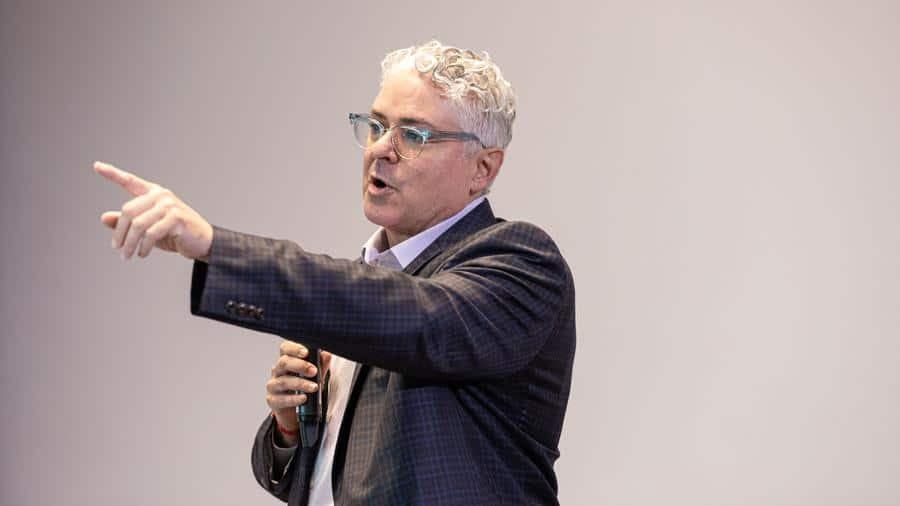
Shareholder, Buchalter
Tom Speiss represents brand owners. He handles US and global intellectual property (IP) portfolios, including securing and defending trademarks, copyrights and patents, and further handles related URL matters - which closely overlaps with trademarks. Tom further advises on product naming and packaging and handles related disputes, both informally and informally. Tom has developed particular skill working with early stage and maturing companies. He routinely handles IP due diligence matters for CPG companies seeking investment, as well as investors seeking to invest. He advises several CPG companies including Country Archer beef jerky, Good Culture cottage cheese, Health-Ade kombucha, JOT coffee, L-Nutra (the makers of the Prolon fasting mimicking diet), LooseLeaf whole-leaf tobacco, and Yerbae yerba mate, to name a few. Tom received his MBA from USC, his law degree from Villanova and his undergraduate degree from James Madison. Tom hikes and swims in his free time.
Transcript
Note: Transcripts are automatically generated and may contain inaccuracies and spelling errors.
Adrian DeLuca [00:14] Good morning. I'm Adrian DeLuca, a reporter for Bevnet and Nosh, and I'm excited to introduce Tom Spie, a former LA Times reporter turned lawyer who now represents brand owners in the IP space. So he's gonna walk us through everything you need to know about protecting your brand at the global level.
Speaker 2 [00:34] Hey everyone, good morning. Just a, a, a quick sampling. Is everyone, where's everyone from? Are are we looking at international any anybody West Coasters, East Coasters? East Coast. All right. How about West Coast? Let me see hands on the West Coast. All right, hands for the East Coast and hands for outside of the US. All right, cool. OK, so what I'm gonna do is I'm gonna tailor the talk, um, to, uh, to basically international discussion first talking about that so trademarks, copyrights, patents, um, trade secrets are different depending upon the jurisdiction and you have, uh, basically a US standard which is what I'll talk about briefly and then international standard there's some nuances see me after, uh. Outside the US for any particular question or anything, so we've got our 4 buckets if you go one slide. So we have patents for the formula is basically non-obvious, new, useful trademarks and URLs touching on URLs, URLs are really the secret sauce. If you wanna have the right or ability to go into a particular country, look for the URL first, right? Look to register that URL in your, your top level domain, your top level country code in that particular jurisdiction where you wanna be, and always look for the .com before you select the name of a product or a brand. Look for it yourself. Look as if you own, you're your own customer. You're your own consumer, right? And if you can't find yourself, that's a good thing. That means that that marker that name might be available or should be available. Copyrights basically that's the label flats you can have a copyright on your website or on the artwork and then trade secrets basically formula secrets to supply business process, manufacturing process. I'm gonna go through a couple of examples, real life examples, right? So Health Aid is one of mine. I represent Health Aid, and you look at this and you go, what is it? What is the IP here, right? Um, shout out somebody, uh, give me an example of a, of a trademark, anybody? Which one? Oh, how about on here on this side, yeah. That thing, OK, yeah, the anchor, right, the anchor is a is a copyright and a trademark, right, because it signifies the brand, right? So you know it as the brand when you walk into like, like a, um, Erwan had a truck across the street when you, when you walk into an Irwan or Ralph's, you see that brand, you see it in the cold store section, and you know immediately that it's a health aid product. It's also a copyright because it's in, it's artwork it's independently created. Um, you can get a registration on it. Uh, give me another one. Give me another, uh, example of a trademark, anybody. Yep, name health aid. What about right down here, um, bubbly probiotic tea for, for a happy gut? Is that a trademark? Yeah, it's trademark too. All right, so you see examples copyright on this, right? You, you look at the label flat, right? You have the front panel of the health aide on, on the far left and you have the front panel on the far right of the sunset. Sunset's also a trademark, of course, and then you look at the artwork, right, for the front panel and the back panel for each. Those are copyrights, right? So you'd wanna register that too, yeah, so you don't wanna register that too. Another one country archer. OK, uh, someone else, um, give me an example of a trademark here. Good archer, yeah, OK, so archer country archer, um, grass fed beef jerky, that's a maybe that's probably not a trademark because beef jerky, right? It's, it's, it's pretty generic in terms of, in terms of just the words beef jerky. All right, uh, what about the center? What about the A in the center? Is that a copyright or a trademark? It's both, right? Yeah, so that logo with the A, the arrow with the A, that's a trademark, right? It's also copyright with the Country Archer and the provisions, and then you see the fronts and the backs of the of the panel and the labeling, right? So you have the, the label, the lay flats, um, you have the front and the back as well. Do another one. It's a country orchard. I've been working with them for about uh. Eugene's 32, so I've been working with him for about 10 years now. So anyway, uh, good culture, another one, OK, um, this one as well, you see, well, one of the things too with your with your brands, the top of the cap, that's now real estate in terms of putting your mark or your logo on the top on the very top of the cap so you see it here with the food parties with good culture. Right in the center there and then you have your fronts, your labels on the front and your label on the back. So basically the this lesson is you've got a lot of IP here but you gotta be careful and it's gotta be curated and you don't wanna overspend and you wanna look at, look at your market. So then I'll go to my questions, right, the things that I always think about. All right, so these are the considerations when we start to talk about all this because it's a wide space and you can end up spending a lot, a lot of money on this, right? And you don't need to, you know, if you're in between, say you're 6 months or 3 years out, you're in that space right now and you're looking at how do we grow our brand, how do we work with investors, you know, what do our distributors, what our retailers need, how do we do this? How do we make sure we're not getting infringed, that kind of thing. So you go with first US and international, which is where we're gonna be and when we're gonna be there, right? Typically you're starting in the US and you go, OK, what do I need for the US just to get started, right? You heard about FDA FTC. You're also looking at, OK, we need to have a mark, right? If you're in the cannabis space, you know that there are about 35-36, uh, states right now where cannabis in one form or another is legal, right? So you're starting to look at state trademarks for cannabis. Where am I selling, you know, California, Colorado, you know, that kind of thing, um, then you're looking at. Uh, international, which is where we're gonna be in 6 months, 9 months, 2 years, 5 years, right? You don't wanna go out and say, well, we might be in these 14 countries in 5 years, right? Where are we're gonna be in 6 months? We're gonna be in 1 year, and how much does that cost, right? You're basically looking at when you're starting. When you're in the store, you're like, what are, what do I absolutely need right now? I need my water. I might need like, like, uh, like my granola. I don't need the Skittles at the front of the store yet, so let's hold on that. Let's budget that out, right? Then you, then you go, OK, in 6 months, 2 years competitive landscape, right? You look at your competitors, you always do that. Where are they? What do they have? What are they looking at? Where are they based, right? And investors, OK, so your investors, your initial round of investors, it's typically yourself, right? Your skin in the game. Your co-investors, right, um, then you're looking at, you're going, OK, you know, who are my angel investors? What's my first round, my second round, my third round? Am I working with like the monograms of the world or anything like that, uh, and, and what are they requiring? What are they asking? What do I need to do, right? And then. The next thing you wanna look at is going, OK, what are, what are our sales, where are we right now? and what do I wanna spend on this? What do we, what do we really need? I have there the big oversell. IP should support, right? I IP should be basically look at it like a revenue center, right? It's a cost center at first, but you gotta make sure that you control your costs on that, right? So the plan is to be thoughtful, careful, like you're coming to me and we're, we're designing like, like, let's say it's a menu, right? And you're like, I, Tom, I want a meal, right? I'm like, OK, what kind of meal do you want, right? And we sit down, we start talking about what you're planning to have at the table initially where I could stand here and I could sell you everything in the restaurant, but you don't need everything in the restaurant. You just need particular things, right? So we start talking about that and then we build on there and we budget it out, right? OK. Internationally, if you say, let's say you're in North America only, right, so you, you're looking at Canada and Mexico, right? Some of the questions are with French labeling, right? US French labeling, uh, in Quebec what do we do about that? OK, uh, in Mexico, um, you know, we're talking about, you know, certain requirements in Mexico, you know, different language labeling potentially, right? So then we go, all right, what else do you need? So I'm, I'm helping you plan your meal, right? It's careful, it's thoughtful, that's the approach that goes behind it, so. The The thing that you always wanna look at is what's my budget, how do we adhere to the budget, how do we stick to the budget, and what do I really need those questions should always be asking, right? And then the other stuff that comes up due diligence, which is, OK, what are, what are my investors looking for if, if. You know this isn't a passion project that I think I'm gonna own the rest of my my life, my career if it's something where I think I might sell or I might want investors, what do they want? What are they looking at, right? That's always a question for them, right? And then you also look at just the infringement landscape which is OK. You know, the others in the space, same or similar marks, same or similar good am I named, am I naming something that's close to another brand or am I naming something that's far enough away, or did somebody just name something that's close to me, or is their packaging now look a lot like mine, right? We are seeing a lot of packaging disputes, OK, where the packaging is the same font, it's the same lettering. Uh, you know, the same clear box in the same spot, you know, that kind of thing, so you gotta look for that as well. And then also licensing with the amount of collabs going on right now, that's always a thing to think about, you know, especially in this space where you're seeing like the big one, you know, one of the big ones that, that I, I thought was pretty cool was, um, uh, you know, Jack coming out with Coke, right? So that's a cool one. And then, uh, interesting, so my wife and I last night were two blocks from here, uh, had dinner, walking past a restaurant. It wasn't right. We thought it was a restaurant, but it's an ice cream parlor that's now doing licensing work with alcoholic brands. So you had to be 21 and over to get into the ice cream store. And they were giving you like, OK, this is like your, uh, you know, it's like your caramel macchiato with, with like some sort I forget what alcoholic brand, and we're like, OK, so we sat there and got a little bit of a buzz off of it. It was pretty good though. It was cool. So it's great. So this is what I always look at Happy to discuss. Come find me. I'll be here all day. So thank you.
Adrian DeLuca [10:23] Thank you so much.