Search across the BevNET CPG Media network including BevNET, Nosh, Brewbound, Taste Radio, Nombase and CPG Jobs.

To Live Her Dream, She First Needed To Create ‘Absolute Trust’ In Her Brand
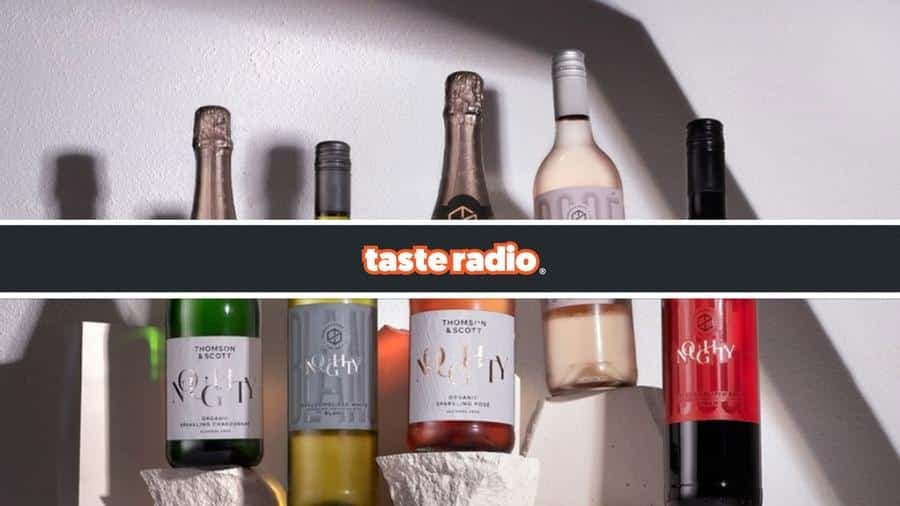
When Amanda Thomson launched Noughty Wines, a pioneering brand of dealcoholized wines, in 2019, she was, in essence, flying blind. There was no non–alcoholic wine category to speak of, little in the way of market research and certainly no blueprint on how to build the type of company that she envisioned. But Amanda, a former BBC journalist and broadcaster, did have a gut feeling. There were, she believed, millions of people like her who sought high-quality wines made without alcohol. It turns out that she was right. Six years after Noughty’s debut, non-alcoholic wine has emerged as a mainstream concept, and is commonly seen in drink menus at restaurants and bars as well as in grocery and liquor stores across the U.S. In the following interview, Amanda talks about how she charted an unknown path for non-alcoholic wines, why creating “absolute trust” in the purity of Noughty wine is key to the brand’s resonance with consumers, and why she advises early-stage founders to think about what they want to achieve when crafting their business plans and strategies.
Show notes:
0:32: Interview: Amanda Thomson, Founder & CEO, Noughty Wines – Amanda explains why she never wanted to create a “replica” of traditional wine and talks about how her education and experience in fine wine is pertinent to the development of Noughty. She also talks about why relied on her vision and didn’t research at the historical market for non-alcoholic wine when launching Naughty, why “liquid trumps everything,” how she aligns brand obsession with iterative improvements and why she urges non-alcoholic beverage entrepreneurs to use high-quality ingredients and avoid additives as a way to enhance consumers’ perception of alcohol analogs. Amanda also talks about the impact of media acclaim and why she thinks about her legacy as she builds the brand.
Brands in this episode:
Noughty Wines, San Pellegrino, Recess, Trip, BodyArmor, RxBar
Transcript
Note: Transcripts are automatically generated and may contain inaccuracies and spelling errors.
Speaker 1 [00:03] Hey folks, it's Ray with Taste Radio. Right now I'm honored to be sitting down with Amanda Thomson, who is the founder of Noughty Wines. Amanda, great to see you.
Speaker 2 [00:12] Oh, it's great to see you. I've been really excited about this one. I was really earmarking getting an invitation, so thank you. Well,
Speaker 1 [00:20] thank you so much for joining us, and I am excited to talk about Noughty Wines. I just want to clear the air, get the elephant out of the room, uh, right now, because the podcast has been a place where I have talked about non-elk wines for some time, and a lot of the products that I've tasted that have come out over the last 23 years, I feel like have not necessarily fit the bill, at least for me. And you and I chatted a few days ago, and I feel like I got a bit of an education or at least a different perspective on non-Alk wines. My thinking was always that these products should taste like the real McCoy. They should taste like alcoholic versions of wine, and You essentially had said no, they don't you, yeah, could you talk about their perspective and I think it would be helpful for our audience for our audience as well.
Speaker 2 [01:16] I love the emotion in your voice, the sadness, yeah, I mean. I can wipe that away. We can breathe. We can just have a whole new world, specifically Noughty. Um, yeah, so what we were kind of getting into was what my, my vision was, and my vision was never to create a replica. And that kind of idea that something should be the same as, I think what, what for me, you know, it's like one of my favorite fine wines. I mean, none of them are the same. I'm still a wine lover, so that's what kind of blows some people's minds. Um, and, uh, so, the vision was, could I create something that was really elegant that fit alongside my favorite wines, and I could transition in and out of, I think the new term is zebra striped drinking. Book or whatever the fashionable term is now in January 25th, but just really I could blend into my everyday fine wine drinking. I was kind of a champagne geek, a wine nerd. I was really snobby about wine. I think I have to put that out there, and I think that's often an ironic part of my journey because people are like, What do you mean? You've got a non-alcoholic wine brand and you are a wine snob? And I'm like, Yeah, those two can really fit together even though I've kind of blown your mind with those two things. Yeah, I was super. fussy about what I was drinking. Um, um, I cut a very long story short, I left my career behind and trained in wine at Cordon Bleu in Paris. I did the first ever wine diploma, and actually my first mentor was the gentleman who was then the world's most famous somme, who sadly died a few years ago, a wonderful, wonderful man called Gerard Basset who had a history of bringing on women in the wine world. And so actually my history is all about fine wine and champagne. And I would argue it's really pertinent to my success with non-alcoholic wine, which again sounds kind of like an oxymoron, right? Going back to your point about good non-alcoholic wine, um, but I think all of those things are highly relevant, um, to my story. And, and that for me, going back to Noughty, um, what I was trying to create was something that was really pure, really elegant, beautiful liquid, but that didn't have alcohol.
Speaker 1 [03:31] But when you were thinking about Noughty as a business. And how big this category could be. What were the, I guess, what was your process? What did you take into account?
Speaker 2 [03:42] So initially, Ray, I'll be really honest with you, I didn't know non-alcoholic wine existed, and I think that's really relevant to this conversation because it wasn't on my drinking radar, and that's not for a moment to be rude about anybody who had a different non-alcoholic wine before I arrived, but none of them were in my wine world and my drinking world, and that's not. I live in some rarefied fancy world. I absolutely don't. I work all the time now, so very rarely fancy ever. But I just was really fussy about my wine and therefore even the concept of non-alcoholic wine actually hadn't really even occurred to me. What occurred to me and what's been fascinating is listening to some of your podcasts and just that kind of problem solving piece that so many of my favorite founders have fixed those problems for themselves that they've been struck with, and that was me basically. Because there was nothing for me to drink when I wasn't drinking. And what I mean by that was, I was transitioning to San Pellegrino, and then I was going home, and I was often not drinking wine, even good wine every night. And so what would I drink? I would drink sparkling water and then I would go home. And it struck me that if there wasn't anything for me to drink when I wasn't drinking, perhaps there were lots of other wine drinkers like me and It transpired there were millions, and so there was what I saw just in my visionary mind as an open goal, and I kind of saw myself as a first mover, I guess just because I didn't see a direct relationship with perhaps the non-alcoholic wine drinkers who had been drinking what existed before. So, I was never looking at a historical small market. I was always looking at the vision. Of wherever there's good wine, I want there to be Noughty. And I, I, I'm a visionary entrepreneur in the sense that I've always known where I'm going. It's just the hard work in getting there. I see, I see brand building in that way. So I have not wavered on that. Um, I don't know what that makes me from an analytical point of view, but, but I've always been, um, very focused and confident in my vision, and I would argue part of that was to do with my quite complicated, difficult childhood, which, um, I was very independent and resilient from a very young age because I had to be. And so I guess I've just been used to getting on with things. And of course the secret source of damn hard work. has never phased me because I, that was how I've always been.
Speaker 1 [06:20] You know, I'm, I'm reading from an Instagram post where we pulled a quote from an interview I did with Ben Witty, who's the founder of a relaxation brand called Recess, and he said identifying unique insights before they're obvious to the market is fundamentally the job of the entrepreneur. I'm like, Amanda fits the bill. That's exactly what you're talking about and that's exactly who you are. But convincing others, convincing investors, convincing retailers, convincing distributors, that's another thing. And yes, investors often say they bet on the jockey, but they still need to be convinced, I think, from a market standpoint. OK, yes, I believe in Amanda. I want to give her money, but like, is her brand actually gonna work? Yes, I believe in her vision, but is the brand actually gonna work? What were the key selling points, for lack of a better term?
Speaker 2 [07:12] Yeah, I think, um, liquid trumps everything. So.
Speaker 1 [07:17] Yes, and can I pause there? I mean, I, we talk about this on the podcast all the time. I can't stress enough. Taste, taste, taste, taste, taste, taste, taste has to be there, otherwise you don't have anything.
Speaker 2 [07:27] Exactly. So, and I think it sounds really obvious to you and me saying that. I'm, I'm constantly shocked, disappointed, uh, surprised, saddened by beverage entrepreneurs who don't focus. Enough on the liquid. Um, I, I personally love brand build and I'm all about brand, but I'm like brand can be fixed, right? I mean, for me the liquid is the drink, right? You can sell anything once. So for me, going back to your point, liquid for me was everything from the standpoint and so I think that's absolutely where I've started. Um, and I, I think that, If you've got passion and focus and you believe in what you're doing to such a. Large extent, that's, you know, that's quite infectious, and I think, um, you know, so many terms are overused in this space. Authenticity is overused, isn't it? But I guess it emanates from me because I'm like the nerd who really has to struggle to keep any friends because all I really do is talk about Noughty 24/7, you know, so, so I think that, um, I don't think you can fake it, really. And, and so I think if you've got great liquid, you're brand obsessed, the opportunity is there, and you've got the passion and, and you kind of don't see a no until it's a yes, then you hopefully might be successful. Well,
Speaker 1 [08:58] I'm glad you brought up the term obsession or the word obsession and brand obsession. When I was in London in October, I had an opportunity to sit down with Olivia Ferdi, who's one of the co-founders of Trip, which is a highly successful, uh, functional beverage brand based in the UK and making its way here into the United States pretty darn quickly. And she talked a lot about. How important it was to come out of the gate strong with a, with a great brand, great package design, great liquid, and be obsessed about all those different things. When you talk about brand obsession, how do you define it? How did you identify those key parts of the brand that you had to get right out of the gate? And, and obviously we talked about taste, but what other parts of the brand?
Speaker 2 [09:44] There are caveats to that for me, and I'm sure there is. You know for every founder, whether they're sharing or not, but you know, I'm not going to sort of stand there and say I have a perfect brand because obviously everything's iterative, right, or at least it should be. I'm always trying to, you know, raise my own game with my liquid or my aesthetics and actually on our um Stills labels we're elevating the texture and the foils and the, so, you know, I mean, Perfect in entrepreneurial terms doesn't exist, right? I mean, I, I think if you're innovative, you're always iterating. So, so it's, I guess it would be just perfect enough for the stage, right? And of course, one always has to make decisions. I remember when I first launched my champagne and the first, uh, the first batch came in, and of course, the foils were absolutely not the color I saw. Of that, you know, and then you have that classic moment, do I launch it? Do I not launch it, you know, I mean, that's going to take another 6 months if I don't, whatever. But you know, needless to say, I launched it, you know, and then it became the full color that everybody loved, right? There's always those kinds of, of, of issues that are going to come along the way. Yeah, I, I think that going back to that unpacking obsession, I think that because I've always known where I'm going. My North Star, I guess it is because I've always had purpose, not like, oh, do you have a purpose that you can build into your, the purpose is part of what I'm doing. I mean, I believe my legacy when I'm long gone is that I'm I'm giving everybody a beautiful health choice without them even noticing, realizing or having to turn it into one, and that's kind of been baked in from day one, you know, because we're. agnostic about alcohol. I still drink fine wine. We all know alcohol's bad for us, right? Anyone with a brain knows that we can't pretend that if we're going to have an old fashioned tonight, that it's a health elixir. You know, I think in 2025, anyone who's smart knows that they can't pretend alcohol is good for them. That's obviously a scientific fact. Um, but I think that what I love most about my brand in that regard is that we, we're a wine brand. That's non-alcoholic, and that piece of semantics is really pertinent and relevant to me and just to circle back to your original question about the opportunity, I always saw the opportunity as building into the mainstream by the glass wine list and also that second shot on the cocktail, the non-alcoholic cocktail list for the sparklings particularly, but also there's still some regard. And so the opportunity for me was always. Absolutely huge, it was to be part of every single by the glass wine list across America. You know, and to be available in the relevant relevant retail premises. And so I, I think I can't really speak about obsession without it kind of touching every, every relevant piece of the brand.
Speaker 1 [12:32] I think being obsessed also has to do with who you're selling to, who your target consumer is, and addressing their needs as much as your needs could be filled by creating a brand like Naughty. It's about, OK, who's going to buy this often? Who's going to buy this on a regular basis?
Speaker 2 [12:51] Absolutely. And of course, if it was just something that worked for me, I wouldn't be here with you now. Yeah, luckily there were millions of people like me who were wine drinkers who didn't always want to drink wine. And and that really has interested me in the beverage space and that date is fascinating because of course it was almost like the wine drinkers who didn't always want to constantly drink wine all the time. Been ignored and forgotten about because I had no relationship with spirits-based cocktails. I wouldn't really gravitate towards a non-alcohol cocktail list. And because I had no relationship with beer, I wouldn't gravitate towards a non-out beer list. And it transpired that there were millions of wine drinkers like me. And so it, you know, when, when I'd identified my issue, what am I going to drink when I wasn't drinking as a wine nerd, there were millions of drinkers like that. And I think in many ways they've been. Ignored, not noticed, forgotten about. No, I think, I think ignored or not noticed is probably the personal part of that sort of jigsaw puzzle. And so our consumers are generally wine drinkers, you know, there's, I had a debate recently with a journalist, and they were saying to me, Well, are you taking a chunk out of the wine market, or, or are you taking a chunk out of the sparkling water and general broader beverage market, which was an interesting way to look. at it. Um, but I think that what I've really set out to do with Naughty is create absolute trust in the purity of the liquid. All of those things. And actually, um, never want to sort of be negative about anybody else in my space. I really, you know, obviously wish every founder well, but I think that the problem at the moment in the beverage space is that obviously podcasts like yours, um, and, and Brands like me being in the media, we make it all look so sexy, um, in the beverage space, and we don't, you know, perhaps always share as much of the dirt as we, as we could or should for, for a number of reasons. Um, but I think in 2025, wherever you are in the world, if you're launching a beverage that's brand first, not enough focus on liquid and purity and ingredients, as your Nielsen IQ podcast showed, I think that that is not a recipe for longevity and going back to the. Authenticity and what consumers expect, and I was fascinated to hear my, my kind of hunch being verified on your podcast about the data, which was how the modern consumer looks for all of those ticks together almost in a homogeneous package, you know, they want good ingredients, they want better for you. Of course they want it to taste damn good. That's what we all have to agree, that you want the great liquid. But it's like they want all the other things as well. They don't have to worry. About them too much because we're all time poor, right? So I'm like anyone asking me for advice, which obviously people do, I'm like just do not put crap in there, you know, just don't do it. Don't hide, you know, don't hide the crap anywhere. You'll get found out and I think the next big conversation in non-al is going to be around sugar and chemicals, and I've just started to have it now publicly, not to really, you know, be negative about anyone's brands, but because like have your sugar in your. Pastries, you know, have it where it should be. I'm from a foodie background. I do not want to be consuming a load of sugar and chemicals in my drinks, and luckily modern consumers, I'm learning, don't either. So I think the brands that are trying to hide things, I hope they look to kind of recognize that the commercial opportunity in the future is not in doing that. So focus on the purity of liquid would always be my mantra.
Speaker 1 [16:27] There are a lot of brands coming out these days that are concoctions of something and then calling themselves wine. What's your take on that and And I guess perhaps the definition or the heart of that term wine being diluted in some ways.
Speaker 2 [16:45] Yeah, it's an interesting one. I think everyone else is having that fight for me. I mean, I've just focused on building naughty and doing what we do when I'm asked about it and when I'm asked about legislation, and I mean, you know, I think that ultimately we will get to a place fairly soon where where wine will have to have been wine. I think that will probably come to fruition. I think. Not least because it's quite confusing for consumers. I'm always, you know, consumer first, and it's like talking about them being time poor and knowing they can trust we make great wine without bad stuff in it. It's like if you're a tea, a kombucha, whatever you are, that's all wonderful, but why are you trying to pretend to be a wine? I think it's just a little confusing for consumers. And the second part of that is we work with a lot of amazing mixologists, and why mixologists love my brand is because it's pure, because it's low sugar, the sparkling straw. Organic. They want to create their own beautiful drinks. And so I guess a bit like Bill Schufeldt with Athletic, who I've always looked at as the kind of the mentor. I've been like, yeah, what Bill has done with Athletic is what I want to do with Naughty. It's like you've got beer and you've got Athletic and you've got wine and you've got naughty. That's kind of been, you know, me looking to him. I was on the board of the Non-alcoholic Beverage Association with him when it launched. I was the wine, the wine specialist, um, but I guess, Yeah, everyone can fight, you know, whatever works. I'm all about building the brand and focusing on the liquid, so we don't really get involved with anything negative in that regard.
Speaker 1 [18:11] Yeah, and I think it's important to maintain a sense of cordiality for sure with your competition, and no one wants to burn any bridges, but you also got to take advantage of the opportunities that are in front of you, and there's been so much written about Naughty over the past 6 years now. I think in the last 2 or 3 years the brand has gotten a ton of attention from consumer media, including The New York Times, where, you know, some of the most highly rated brands in their wirecutter section or review page, whatever you want to call it, have been naughty brands, naughty products.
Speaker 2 [18:47] I mean, I, I cry very rarely actually, but I think I probably cried the first time I was in New York Times, just tears of relief, happines. This exhaustion. I mean, when the red, when, when, when the red was, was on the cover of Food and Drink, yeah, I mean, the red gave me so many sleepless nights. I mean, anyone who drinks good red wine, anyone who's trained in fine wine, the red just stressed me out greatly. And of course it's a bit like, you know, like when you sort of have those interviews with pop stars and they have their first album and then the second album, and I'm not for a moment saying I was famous in that regard, but it was just like everyone had been. Very kind about about my blanc de blanc, my sparkling Chardonnay, and I was like, I'm waiting for my fall, you know, so, so to go back to your question, no, you don't know who is going to like it. And also I think Ray, we both have to be realistic. I mean, you know, no one's going to love everything all of the time, right? So don't get me wrong, you know, sometimes people really don't like it, and I'm like, it's a drink, you're allowed not to like it. I'm disappointed. Um, but luckily the key players in. The industry, in the American wine industry, um, yeah, blew my mind really early, which, which was incredible. Um, yeah, so that was amazing. And then the second part of your question, I've got a brain freeze. I was so excited thinking about The New York Times.
Speaker 1 [20:07] Yeah, no, it's, it's, it's kind of the same, it's the same, I guess, good kind of problem that a lot of folks who are on Shark Tank have, where that kind of exposure generates sales immediately. And again, someone who reads. You know, the New York Times and sees the New York Times say, Hey, you should buy this non-elk red wine or this non-elk sparkling wine. Then all of a sudden you have orders coming out of your ears and you're like, uh oh, how do I fill these orders?
Speaker 2 [20:32] Oh, your point about, thank you, your point about volume, yeah, that was another part of the macro vision was. I was always building something big, so the challenge I had right in the beginning, I remember saying to my winemaker how much I was going to sell on year 5 or whatever, and he politely tried not to laugh out loud, right? I hadn't sold a bottle, but I believed in my vision. I had the blind faith, my forecast would have blown your mind, it blew his. And so we've hit our forecasts and I, Knew I wanted and needed the opportunity to scale, so that offered another big challenge as to how I got, you know, the right partners involved because basically my model exists. I'm the palette person, I create the wine with the makers, so the challenge was going to be, could we scale to the plan that I wanted. So that was always baked in, um, to, to do that. So yes, I was ready. For the success, but it doesn't mean that I took it for granted, if that, if that makes sense. So there was nothing arrogant about it. It kind of, I don't want anyone to think I'm being arrogant. I think I just was so all in and so focused on my vision that I believed I could execute it.
Speaker 1 [21:52] Do you have to have a lot of inventory on hand, can you, because it's non elk? I mean, alcohol is a natural preservative, so I'm not sure what the shelf life is on your products.
Speaker 2 [22:02] Question, and it's different actually from um From the challenges that the spirit world has faced in the non-Ag sphere. Yeah, we're we're perfect on um on on shelf life, no problems at all. Strangely, it operates like wine and and and the founder of Coravan was a was a new business friend, and we did a lot of experiments and I just recently took a bottle of, I mean, obviously no one's going to keep it that long because it sells really fast, but I kept a bottle of Naughty Rouge under Coravan for the special sort of wine preservation system for 6 months and and it was perfect. Perfect. And so yeah, strangely, and we still don't, I'm not a scientist, but the Smithsonian wrote an article about us, and I don't think they got into this, so any scientist might be able to tell me. I don't know why, but it does operate as alcoholic wine in exactly the same way when it comes to its sort of staying power once the bottles open. Interestingly, throughout
Speaker 1 [22:55] this conversation, Amanda, I've gotten the sense that you see naughty as being A generational type of brand, uh, one that can make its mark as a category leader, as a culture leader, uh, for years to come, and I, I think that's a really good way of thinking as an entrepreneur. I think that's a really good perspective, thinking big even from the outset. Um, I think it's kind of hard for some founders to have that point of view, um. Do they have to though?
Speaker 2 [23:29] And if I, if I may, sure, I would say you don't have to, because I, when people ask me, I, I do a lot of mentoring with young founders, with diverse founders, different ages. I always say to people, what do you want to achieve? So I wanted to have a global leading. Non-alcoholic wine brand that was a household name, that's a massive lofty vision, right? There are lots of incredible people with all kinds of sizes of businesses that hopefully, it's given them a great lifestyle and they still have some degree of work-life balance. Or whatever, you know, I mean, everything is relevant, I think. In the beverage space, yeah, I don't know that I think that's a little trickier unless you want to do the home ferment thing. But, but, you know, I, um, I think, I think for me, I don't really understand how anyone can create. A business in this space unless they know what, what they want the outcome to be. For me, that doesn't make sense. So I usually challenge founders or potential entrepreneurs when they ask me and I say, what do you want this business to be? Because, You know, there's, there's so many different kinds of businesses, aren't there? So I think it really depends and it doesn't, my, my goal and what I will achieve, one will argue macro and lots of people would argue that I will have sacrificed so many things along the way because I worked so hard, right? And it's not for everybody, you know what I mean? So I think it's really important to know what you're trying to achieve.
Speaker 1 [25:09] No, of course it is, yeah, I, I've talked to entrepreneurs. Who have been ultra successful, the founders of brands like Vitamin Water and Body Armor and Rx Bar, and they are hypercompetitive, obsessed about being number one. And I think to a certain extent it has helped them be who they are, helped their brands be as successful as they are, but you're right. Not every brand's going to be a billion dollar brand, and that's OK. I think what most entrepreneurs, most founders will say is that yes, we do want to be a household name and we want to create a brand that that is a household name, but it takes a lot of work to get there, and I think. Maybe You need to kind of, I don't know. Adjust your perspective on what it takes to be successful, and I think in your 6 years in this business or 5+ years in this business, As you alluded to, you've had a lot of hardships and it's been difficult and it hasn't been perfect from the start. Um, But you've always had that North Star and said, OK, no matter what, I'm going to be going toward that North Star. So I think that that North Star is so big and bright that it's like. I'm attracted. It's attracting me. It's bringing me there's a sort of some sort of gravitational pull toward that, whereas if you don't have that big bold vision and you then you can be like, oh well, it's not that important. It's not that important to me. It's not the end of the world if I if I don't succeed. I think it's different for you and some of the other folks that I was talking about, no,
Speaker 2 [26:40] I guess I do see my legacy when I'm long gone. I mean, I'm not religious, I'm open minded, agnostic, spiritual, whatever, but I, I know I will have a legacy which is that that naughty will have changed people's lives in a fun way without them even realizing. So I, I see that, and I don't mean that in a, I'm not really actually a hippie type. I'm a really practical type A, pragmatic type, but I still see that and and and I know that that's possible.
Speaker 1 [27:10] Well, I, I see it again, I don't think that. I was going to be convinced about the potential of non-Akwans until really early this year, honestly, I think what I had tried and what I had seen out of this category had just not impressed me, and now I am impressed. It's such a weird thing to say that you can flip a switch and say that, but it is true. I really do see a ton of potential in this category. I, you know, just to wrap up here, Amanda, I think. You know, for someone who Is again, one of the key figures in this space, and someone who in your parlance can't muck it up, so to speak. What keeps you up at night?
Speaker 2 [27:58] If we all really remember that it is a small world, we are all interconnected, it's easy to get kind of really dragged down by the bad. And, and I'm an ex-journalist, so I'm, I'm always interested in news, right? I, I have a strong interest in what's going on in the, in the wider world and the macroeconomic climate and the problems and, you know, there's usually bad things happening, right? But I think that ultimately, um, I think that if you are in this industry for the right reasons, it's an incredible place to be. I've, I, I meet wonderful people. And I think that um we can really all literally rise together. I think that's why I said to you about, I'll never publicly put anybody down, any brand down, I never talk about my competition. What I might think privately is different, right, but I think that, It it kind of sounds cheesy, but we've just we've launched naughty acts of kindness and and really because I've just, I've done this since I was young, just, I've recognized that the small things can change your day, right? So you know, whether it's just buying someone a coffee who hasn't got the. Whatever it is, right? Just the really small things that can change people's day. And I just think it's a really small world and if you are authentic, you're focused, you're doing something good, and you're kind, you're not pardon my French, an asshole, then I think we, we can all rise together and it's super exciting. And I cannot tell you how excited I am about naughty. Hopefully that comes across because there's, there's so many incredible opportunities out there.
Speaker 1 [29:41] Yeah, it definitely comes across, and I know that there are people this Dry January who are trying Naughty for the first time and probably as, as impressed as I am. Uh, Amanda, I really think you're doing something fantastic. Um, I'm pulling for you, and I think that your legacy, uh, is, is going to be in a good place and, uh, not to think about your death right now. But I got,
Speaker 2 [30:07] I got shit to do, right.
Speaker 1 [30:09] I think right now you've got a terrific life and you're doing good things. So thank you so much once again for sharing your story with us and let's definitely stay in touch. The next time you're in the states, and I know you're here once a month, please let's meet in person.
Speaker 2 [30:23] I want a drink with you at So's.
Speaker 1 [30:25] Yes, there you go, or here in our office we have a great bar upstairs, so what we don't have is enough naughty. So maybe you can bring a bottle or two with you on its way.
Speaker 2 [30:34] All right,
Speaker 1 [30:35] thank you so much again.
Speaker 2 [30:36] Thank you. It's a pleasure.