Search across the BevNET CPG Media network including BevNET, Nosh, Brewbound, Taste Radio, Nombase and CPG Jobs.

How Yaza Went National at Whole Foods Just Weeks After Its Launch
Show notes:
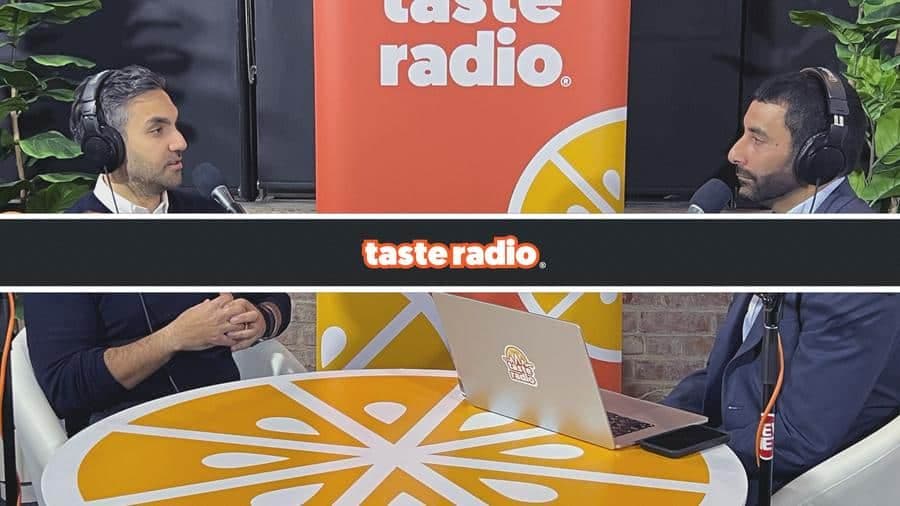
Interview: Christian Karim Khalil, Founder & CEO, Yaza - Yaza specializes in Lebanese-style labneh, a creamy, dairy-based spread that has long been a staple in Middle Eastern cuisine. Launched in 2024, Yaza sets itself apart by emphasizing authenticity and health benefits, including high protein and probiotics. In this conversation, Christian shares how Yaza overcame early production challenges, why Whole Foods recognized the brand’s potential, and how he is strategically evaluating potential collaborations to fuel further growth and expansion.
Transcript
Note: Transcripts are automatically generated and may contain inaccuracies and spelling errors.
Speaker 1 [00:04] Hey folks, it's Ray with Taste Radio. Right now I am honored to be sitting down with Christian Khalil, the founder and CEO of Yaza. Christian, great to see you. Good
Speaker 2 [00:12] to see you too. Thank you for having me on the show.
Speaker 1 [00:14] Yeah, it's been a minute, as you mentioned. I think the last time I saw you, was it at Expo
Speaker 2 [00:18] West? Expo West. We've spoken a few times, but the last time we met was Expo West.
Speaker 1 [00:21] Expo West 2024. It's January 2025, and Yaza has been on fire since that time, I think. In June of last year you guys went national at Whole Foods,
Speaker 2 [00:32] right? That's correct. That is,
Speaker 1 [00:33] yeah, congratulations on that. How's it going?
Speaker 2 [00:35] It's going really, really, really well. It was actually our best week last week since we started with Whole Foods. Things have been, you know, we've been growing really good and the feedback has been amazing.
Speaker 1 [00:45] Yaza is a brand of lubna. I love lubna. I grew up on lebna. I've been eating it for all 26 years that I've been alive. Don't laugh too hard, Christian. No, but I think it's, it's somewhat familiar to a lot of folks, but not necessarily fully understood. What is lebna?
Speaker 2 [01:03] So lebni is what, like you said, it's what we grew up on, you know. I'm originally from Lebanon. Lebane is what we have for breakfast, lunch, and dinner every day. It's the first thing that any family has in their fridge. It's a Mediterranean dip. It's a dairy-based dip made of milk and salt. These are the two of the ingredients milk, salt, and obviously the probiotics, the cultures that are added to it.
Speaker 1 [01:26] And it's a little bit of a thicker consistency than yogurt. It's spreadable, not like a cream cheese. It's sort of in between a yogurt and a cream cheese, sort of consistency,
Speaker 2 [01:35] yeah. So what I like to say, tell people and explain to people who don't know what lebni is, if Greek yogurt and cream cheese had a baby, that's lebni.
Speaker 1 [01:41] There you go, and there's a tartness to it as well, which is really delicious. You started the company in 2022,
Speaker 2 [01:48] correct?
Speaker 1 [01:48] And at the time, I think there was maybe one big brand, I think it was like a Cedars, that was marketing Lena and you couldn't necessarily get it everywhere. And now I feel like we're starting to see more and more products come to market. It more brands come to market that are selling lebne. What has there been a change in how Americans have seen the product, how they use it? I mean, what's, what's going on here? So
Speaker 2 [02:13] yes, so I think Lebne is having a moment. It's been trending. The Washington Post had it for 2024 as a trending food item. Cottage cheese was 2023. You can imagine 2024 Lebni, how big that is for us. So the timing of launching Yaza, we did start the company in 2022, but we launched in the market last year. Properly, it's we've been in the market for a year and a bit, and the momentum that we've gotten and the other brands I've been following up, it's been really amazing because of people understanding what Lebni is. So yes, it's trendy, but I think it's here to stay and it's not just one trend that's a short term trend, but it's a longer term trend and I think we've seen that growth as we go. People are interested in the Mediterranean diet because it's healthy, it's good for you. You know, Lebanon is high in protein. Low fat, low calories, and it has a lot of probiotics. It's really the perfect additive to someone's diet, you know. I like to add it to everything I eat, whether it is, you know, rice and chicken or, you know, at dinner. I always add a spoon or two spoons of lebanate to increase my protein intake, get some probiotics, good for the gut health. I think Americans are into now they start to understand what's good for them. The Metrean diet is really, really big and really growing, and I think it's 10 years running. It's been voted the best diet consecutive 10 years, and Lebanon is part of that now.
Speaker 1 [03:40] I think I consume most Lebanon in the morning with breakfast. I have some fried eggs and some toast and Lebanese, it just feels like a natural combination. My mouth is watering because I'm thinking about how delicious it usually is. Um, do you have to educate a lot of people about use case though, like what the best time of the day? I mean, again, you and I will eat it any time of the day, but when do people people typically eat it? How do they use it? Is it, I would think like a hummus,
Speaker 2 [04:03] right? Yes, so the American consumer, the way we've, so the way we've launched Lebni, yes, like you said earlier, it's a spread, it's a dip, we kind of cook with it as well, you know, it's a condiment. We marinate our food with it back home. It was hard to kind of introduce it to the consumers the way we focused on, we did some kind of market research and the best approach was using it as a dip. And so we kind of compare it to hummus, and people are familiar using hummus, and they started using it more for lunch and dinner rather than breakfast. We back in back home have it for breakfast, you know, almost every day, and education wise we focus more on lunch and dinners and then little by little we've seen people being creative with lebni. So the New York Times came up with a lebni and za'atar pasta recently which we do it all the time, but it's nice to see the New York Times coming up with that. Yeah,
Speaker 1 [04:55] absolutely. I think there are people who are listening to this conversation and they're saying, Ray, did you skip over something because Christian just said the company started in 2022 but they actually launched in 2024. And Yaza also went national at Whole Foods in 2024. This is not necessarily common to go from launching a brand to being national at Whole Foods the same year. How did you do it?
Speaker 2 [05:22] So we launched, we started the company in 2022 and just to kind of go back and kind of explain the process of lebne. So lebne back home, the way my grandma would make it, she would use a cheese cloth. Start from the milk, heat it, pasteurize it, and then strain it. And the problem we've had in the market here, so back in Lebanon, the shelf life of the product is 3 weeks. That's the max you can get because it's exposed to bacteria. It's open air. The problem in the US market, there's two types of Lebanese. When we started, when you know when Cedars and the other brands were starting, the Turkish lebni, which is a bit similar to cream cheese and it's imported from Turkey, it's double cooked, so there's no probiotics. It's high in fat. It's a completely different product. So you have those types of lemonade and different brands like Okur, Ehim, and now we have Besi, and that's a different product. We don't like to be compared to Yaza or to Lebanese Lebanade because it's a different product completely. And then you have the cedars, you have the Kroons and the other brands who, to be able to replicate the Lebanese Lebanese. I think probably for cost savings, and two, because they just couldn't figure it out. They were blending milk powders. With the milk to get the thickness of the lane. And
Speaker 1 [06:36] that's very inauthentic.
Speaker 2 [06:38] Yes, it's cheaper to make, but that's kind of the advantage that Yaza has. Yaza was able, that's why it took us a year and a half to get that process done. We were able to replicate the Lebanese grandmother recipe using the American standard machines because you're not allowed to back strain it in the US and sell it. It's against the FDA regulations regulations. So that's why we took a long time and then when we were able to do it, we soft launched at a trade show, one of the big trade shows, and Whole Foods came by and said, we love it. What's your capacity? You know, can you do it nationwide, and we said yes. I went back to the team and I said we're doing nationwide. They're like we can't do it. I was like, we'll figure it out. We have to do it. And we went back, worked hard, started scaling, spent the 1st 6 months of 2024 just working on getting ready for Whole
Speaker 1 [07:35] Foods. So Whole Foods said yes and you said yes to Whole Foods. When was that?
Speaker 2 [07:41] So we met them, we applied. The application deadline was August of 2023. At the time we didn't even have product on the market, right? In September we started having in some stores in New York kind of testing velocities, proof of concept at the time, and we were the big launch was planned to be February March of 2024. So they said officially yes in February. In February we got the official yes. We had to be set up by May and we launched end of June.
Speaker 1 [08:11] Again, as you pointed out, difficult, and your team said you can't do it, you could have said no and said, Well, we've got to wait because You might only have one shot at getting it right, being National Whole Foods. Let's say you did a production run and something went wrong and you weren't ready for that launch date. I mean, they're going to fill the shelf with something else and you might miss your chance. What, what gave you the confidence and why did you feel like you needed to meet that deadline at that time?
Speaker 2 [08:39] So one is because Len was having a trend. We had to get it right. There's no, there's no no. You know, when you get such an opportunity, it's something you know people dream for, and that was my dream when I started Yaza. My dream was to be at Whole Foods, so there was no, I was not going to take no for an answer from the team. Did we mess up? Yes, we messed up 4 or 5 production runs ahead of the launch with Whole Foods, and we had to throw product away. We lost a lot of money on that, and that's part of learning. That's part of the learning curve. It was a lot of work. I spent a lot of time in the plant in upstate New York and to get it right, and we got it right the last chance production. So we delayed Whole Foods' first delivery by 3 or 4 days. Luckily we had a holiday. To kind of help us and we kind of, you know, delayed it a few days, but we got it right and the feedback has been amazing. The velocities are really, really good, you know, some stores were doing up to 140 units a week average velocity, which is, you know, unheard for for Leibni.
Speaker 1 [09:43] I've heard of brands that have closed their doors after one production run went wrong. You had 4 or 5 that went wrong. It's a lot of money because the co-packer's not going to say, Oh well, we'll just make it again for you, no problem. You've got to shell that out if I'm not mistaken, right?
Speaker 2 [09:57] Yes, but can I be, you know, with all honesty, all transparency, I think we were very lucky on many fronts, and one of the most important things is the coal packer, and the copacker has been really, really, really helpful. So he never said no, they never gave up. They had never done lebni before, you know, we had never done lebni before using that method, so. It's any other co-packer would have kicked us out. They kept fighting till the end, and we are here now because of them, and we all, you know, it's at the end of the day it's a partnership.
Speaker 1 [10:29] Did they, are they investors in your brand, if you don't mind me asking?
Speaker 2 [10:31] They're not investors in the brand, no, no.
Speaker 1 [10:33] So you just found an incredible partner. We
Speaker 2 [10:35] just found an incredible partner and you know, We also had a few hiccups, you know, one of the founders of the Kopaker passed away, which kind of delayed a few things as well. We've had, we've had issues. These things happen in the industry, but we're lucky to have them because they've been really helpful. They were, they were about to give up a few times. We were about to give up a few times when things were going wrong and we kind of sat together and we said no, we have to make it work and we
Speaker 1 [11:00] did. I want to go back to Whole Foods one more time. You know, when they were thinking about bringing on a Lebanon brand nationally. And they could have just gone to one of the big brands, you know, a few of them that you mentioned and said, Hey, can you just make it different? Can you make a Lebanese style one, or could you just, you know, increase the amount that you're selling us or, or just make more? I don't know, maybe I'm oversimplifying it, but why did you feel like they wanted to go to an early stage independent brand like yours? What, what made Yaza so attractive to them?
Speaker 2 [11:30] So one, I think the fact that our plain Lee only has milk and salt. And it's very authentic. No one else has that formula done. I think that was a big factor. The other factor is we were the first to launch flavored lebni, and I think that's what touches to the American consumers because, yes, we know what lebni is, we know what to do with it. We never eat lebni plain with a spoon. The American consumer does not know what lebni is. If you put lebni in front of them, plain lebni, they'd be like, Is that yogurt? What do I do? Do I take a spoon and just eat it? Where that's not the case, you should add different things. You can add olive oil, vegetables, za'atar, garlic, you know, different spices, and the fact that we add flavors and our za'atar not only is our best seller, it's a trend for Whole Foods. So Whole Foods comes up with trends for 2025 or for every year in October of the previous year, and our za'atar was one of the top 10 trends for the year.
Speaker 1 [12:23] Outstanding. I think about emerging brands these days, and I think about a brand like Little Sesame. Little Sesame makes amazing, amazing, amazing hummus. It's a brand. That speaks to the modern consumer and they've done some really good collaborations. The one that immediately comes to mind is the one they did with Fly by Jang. How do you evaluate potential collaborations? How do you think about working with other brands?
Speaker 2 [12:46] So we have done a lot of, you know, work with other different brands, other brands on a few different things, social media, but as we speak, and I can't really mention the name of the brand because I don't have their approval yet, we've had We are, I don't want to call it partnership because it's not an official partnership, but we're working very closely with another brand, another emerging brand in the space that I met through you guys at the MIA event. Hey, how's it going at the Mina event at Expo West last year, and thanks for that event and shout out to Bella for kind of inviting us and including us there. And we are working on something, you know, a few different things that I think would be really big that will help, like you say, grow both brands together. We complement each other. We're both from the region and both items complement each other and I think that will be a really good partnership or you can call it whatever you want to call it, but I think that's really important because when you go to a buyer. Yes, Lebne is good, but what goes with Lebne they don't know. They don't know what the consumer wants, so we're actually working on different presentations for different buyers where we pitched both brands together.
Speaker 1 [13:52] Very cool, very excited to see what you're coming out with and what Christian was referring to was Mina CPG, which is a community of founders who either are from the Middle East or North Africa or are descendants of people from that region of the world, and it's a really great group. Mina CPG has a Slack channel that a lot of people are a part of as well. So if you're listening and interested in participating, either reach out or Google Mina CPG and you'll find out how to get involved. Last thing, Christian, you know, how do you keep up the momentum that you've had and what you're hearing, folks, if you're hearing the background right now is the NSD pre-party going on, but I think What I want to hear from Christian right now is you got through your first year, you're, you know, you're, you're out there more than I think a lot of other brands could hope to be at this point. How do you keep that momentum going?
Speaker 2 [14:45] So you have to keep going. So you, so just a few things. We launched the 3 SKUs. The plain, the za'atar, both of them are Whole Foods, but we also have the spicy chili, and then we've launched a new flavor, roasted garlic and mint, that's doing really well and that's getting a really high success, not because it's very authentic, not only because it's very authentic, but also because American consumers know what garlic and they know what mint is, so it kind of makes it easier to market it to them and garlic or tomb is having a moment so that really, really helps as well. So we have that we've launched the snack pack, the Yaza on the go line, which is a way to educate, educate consumer. For us it's more tackling different channels, making sure we can diversify our channels, but also getting Younger consumer in at an early stage because eventually these will become these will buy big tubs. They will initially buy the snack pack, then they'll buy big tubs and we're launching with a big club very soon so that's that's really exciting club retailer club retailer very soon, very exciting and then. To keep the momentum going as you said, you can't stop, right, because things are going really well. We're growing the team as we go. We are looking at different product lines which we will have in the market by the end of the year.
Speaker 1 [15:59] So much, so much going on. I love it and I'm so excited for everything that Yaza is doing. I'm so excited for you because it feels like you're living your dream. You did it, so to speak. I mean, you had this idea. You went through a lot of trial and error. There were a lot of times where It seemed like it wasn't going to make it and it did, and here you are sitting next to me now. It's amazing,
Speaker 2 [16:20] right? So I, when I moved here, so for people who don't know, I moved to the US I came from Lebanon. There was a big explosion. I left. I wanted, you know, I came for the American dream. It was in the midst of COVID, so I couldn't really meet anyone or start anything. I spent two years kind of deciding what I wanted to do, understanding the market, learning the market, but then from 2022 onwards I've spent days and nights in Whole Foods stores talking to consumers, watching consumer behavior on that aisle in the grocery store. I've spent sleepless nights trying to understand what people want and how to portray it to them. It's not. Yes, it's, we've been successful and I think we've just started, but it's been a lot of work and I've been really lucky to have built a really good team around me because you can't do anything on your own. So yes, I'm the founder. People see me, but nothing would have happened without the people around me.
Speaker 1 [17:10] But it's the passion and the vision that's coming from you. It's, it's those sleepless nights. It's going to Whole Foods, talking to people, doing the legwork, doing the hard work that comes with creating success, a successful brand. Exactly, yeah, Christian, thank you so much for taking the time. I'm just so elated for you and for Yaza, and I can't wait to see what's next.
Speaker 2 [17:31] Thank you.