Search across the BevNET CPG Media network including BevNET, Nosh, Brewbound, Taste Radio, Nombase and CPG Jobs.

What Fueled Poppi’s $1.65B Payday?
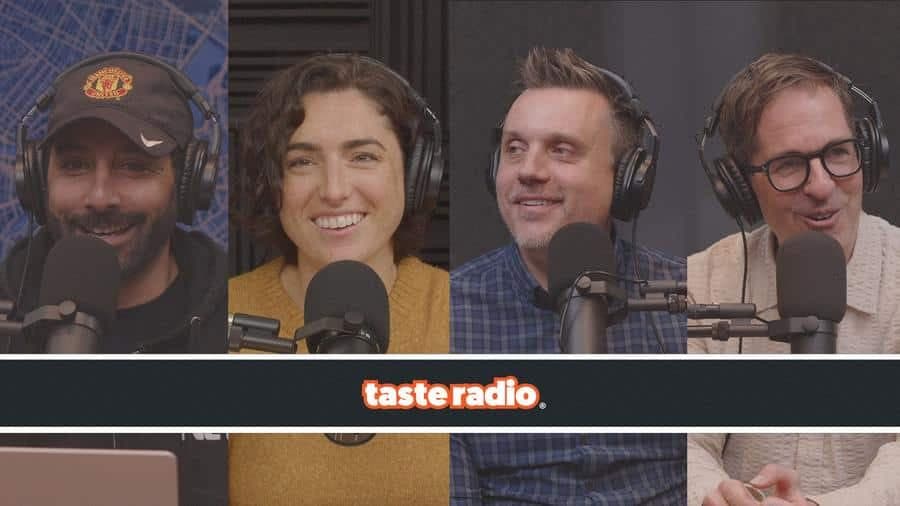
Poppi just popped – big time. But was PepsiCo’s $1.65 billion acquisition driven by TikTok virality, perfect timing, or industry heavyweights like Rohan Oza? (Sorry, prebiotics, this one's not about you.) And now that the first major deal has landed, is the BFY soda space about to see a gold rush – or a bubble burst? The hosts break it all down.
Show notes:
Ray, Animated. Talk The Talk. Humble Pie! Zero Function. Founder Tok. The Oza Effect. More To Come? THSee, Puff Corn & NPP. – Ray has a tell or a tic – it’s his signature and shares a reminder to watch OR listen to Elevator Talk. John hands a slice to Ray – who gobbles it up – before opining on the value of Poppi’s prebiotics in its growth and how the company and Olipop cracked the seemingly impenetrable CSD category. Jacqui talks about the impact of Poppi co-founder Allison Ellsworth’s early adoption of TikTok on the brand’s development, Mike discusses how investor Rohan Oza affected its trajectory and John offers a prediction on what’s next for BFY CSDs. Ray shares another kind of “pop,” Mike and John crack open a couple of canna-bevs and Jacqui highlights a “salty” chili jam.
Transcript
Note: Transcripts are automatically generated and may contain inaccuracies and spelling errors.
Ray Latif [00:03] Hello, friends, and thanks for tuning in to Taste Radio, the number one podcast for anyone building a business in food or beverage. I'm Ray Latif, the editor and producer of Taste Radio, and I'm with my co-host for this episode, John Craven, Jackie Brulera, and Mike Schneider. In this episode, we revisit three interviews from Taste Radio's Miami meetup, including those with Steven Santangelo, the founder of Matriarch Wealth Management, Ken Sadowski, the senior advisor with Verlinvest, and of course Chris Hunter, the co-founder of Coya and for Loco. I
Speaker 2 [00:38] have a Miami-themed tasting too.
Ray Latif [00:40] Oh, good. What's it a beverage? It is.
Speaker 3 [00:43] Oh, you'll find out in a bit. OK,
Ray Latif [00:45] OK. I was just noticing I was watching back some of my Instagram reels and I tend to like really get into it when I'm talking to people or at least for the introduction and I just realized I was doing that same thing when I was introducing this episode where I'm like I'm really getting my body into it. It's kind of weird. I've got to stop doing that. Yeah, you're warming up.
Speaker 2 [01:02] Why do you, would you stop being yourself?
Speaker 4 [01:04] Yeah, like keep doing it. People love
Speaker 3 [01:05] it. It's your signature move. It's my signature
Speaker 2 [01:08] move, little shimmy. We love you just
Ray Latif [01:09] the way you are. I just don't want people to I think I'm like seizing up every time I introduce the show,
Speaker 4 [01:14] so animated.
Speaker 3 [01:15] Nobody, nobody's excited. No one was going to notice, but now you mention it and well I
Speaker 2 [01:20] I can't see it. And now people are getting someone's going to make a reel of all the times you've been, you know,
Ray Latif [01:24] the one time I don't do it, and this is, I'm sure this is the case because I've seen these episodes. I watched them back. I, you know, you watch yourself bender, yeah, watch yourself just so you make sure you're not making a complete, complete ass out of yourself every single time you're on TV or on video. Uh, it was on Elevator Talk. I don't, I don't throw myself into it on Elevator Talk, and I, I talked about this last week. I just want to point out Elevator Talk is now available on audio form or in audio form in the Taste Radio feed, which means every new episode of Elevator Talk will be included in your feed if you're a subscriber of Taste Radio. So this is outstanding content. You get to hear about a whole bunch of early stage new and disruptive brands from food and beverage. A lot of the hot, new and exciting brands of today have appeared in past episodes of Elevator Talks. So if you want to hear about them first, Check out Elevator Talk either on video. You can check it out on Bevnet, Nash, or Taste Radio, and of course on the Taste Radio feed via audio format.
Speaker 2 [02:26] And I'm sure there are brands in the audience right now that are wondering, how do I get on Elevator Talk? Well, you go to tasteradio.com/elevatortalk,
Ray Latif [02:33] no dash, just elevatortalk. Yeah, that's what I'm saying. Like sometimes, sometimes people think it's elevator dash talk. Yeah,
Speaker 2 [02:40] it's no dash
Ray Latif [02:40] dash elevator, but it's not one word. People say it's, oh, that's elevator talk, one word. It's not really one word. It's just two words.wo words.
Speaker 2 [02:47] No dash elevator talk.
Ray Latif [02:48] Yeah. I, uh, I don't think the folks from Poppi were on Elevator Talk. I can't recall. Maybe they, no, I don't think Elevator
Speaker 3 [02:57] existed back then.
Speaker 2 [02:58] I don't
Ray Latif [02:58] think it wasn't around back then. No, no, but they did appear on stage at Bevnet Live winter 2016.
Speaker 3 [03:07] And why do we care about Poppi? Why do we care about to give the listener context because they probably don't know. They have no idea what's going on. Nobody does. They have no reason to. I mean, if you, you open LinkedIn, it's not every other post.
Speaker 2 [03:18] They didn't have a Super Bowl ad or anything
Speaker 3 [03:20] or, or a big deal.
Ray Latif [03:22] They got a big deal. They got a big deal. It did happen. Everybody's been hearing about this stuff. The, uh, the big rumor at Expo West that we were going to talk about last week, but then, uh, I was muzzled. You were muzzled, so I couldn't talk about it, but it finally happened. PepsiCo announced on Monday that it entered into a definitive agreement to acquire Poppi for a stop mic. That's why I'm so distracted. $1.95 billion with a B,
Speaker 3 [03:49] yes, minus $300 million for a net of $1.65 billion. Correct.
Ray Latif [03:55] The deal
Speaker 3 [03:55] includes kind of a weird way to announce that, but hey,
Ray Latif [03:57] 300 million dollars of anticipated cash tax benefits, bringing the net purchase. Price to $1.65 billion according to a press release, and this is according to the story on Bevnet.com penned by our very own Brad Avery. Well done, Brad. And in this case it's pronounced, of course, incredibly. An incredible congratulations to the Poppi team, Allison and Stephen Ellsworth, the founders. As I mentioned, they started out. In 2016 they were on stage when the brand was called Mother Beverage, and they triumphed in our new beverage showdown competition that year. They rebranded to Poppi, some might say reinvented Mother Beverage into Poppi, which, as everyone knows, is a better for you soda made with prebiotic. Uh, benefits. Can I say that? What would you call a prebiotics? Just
Speaker 2 [04:52] calls. I mean, there's still some question as to whether those are efficacious, but correct,
Ray Latif [04:57] correct, correct. But Poppi's everywhere. It's been everywhere. It is an incredible machine and in essentially less than 5 years they've gone from 0 to 500 million, 500 million in sales, but 165 in acquisition price. Amazing, amazing, amazing. So obviously a lot to talk about as it relates to this deal, and I want to touch on something that Mike just said. And I, I consistently question this. And there are others who say no, the functional benefits matter incredibly to the end consumer. Certainly the folks from Olipop would say this is the case, but do the gut health benefits of Poppi and better for you soda in general actually matter? And what percentage of the deal, John Craven, do you think could be attributed to The functional benefits versus say the branding in the in the execution.
Speaker 3 [05:52] I mean, Ray, first of all, never saw this deal coming.
Ray Latif [05:56] Oh, here it is. I was waiting for it. I was waiting for it. He, he, he said it and then he, I called him out
Speaker 3 [06:04] and it actually
Ray Latif [06:05] happened.
Speaker 3 [06:05] I was, Oh my gosh, I was going to finish the sentence, a
Ray Latif [06:08] humble pie all over my face.
Speaker 3 [06:11] I was going to finish. Can you smash a pie in your face?
Ray Latif [06:13] Oh goodness,
Speaker 3 [06:15] going to finish the sentence with a slightly sarcastic yes, Ray. It's all about the functional benefits, but uh. No, I mean, look, obviously plenty of brands are copying the functional benefits of Poppy and Ollipop, or at least trying to, but You know, if it were just about that. It would be way easier for those copies to work or Coke or Pepsi to like launch their own.
Ray Latif [06:40] Can I pause you there? It's certainly not all about that, but how much of the deal is about the functional benefit versus again the branding execution?
Speaker 3 [06:47] Yeah, I mean, I guess I think it's, it's like near zero about that because I do think that what they have done very successfully and, you know, obviously Ollipop is, is a key player in that. As well is, you know, they have created a new, better for you, uh, modern brand, um, that I think for a company like PepsiCo, that has a lot of appeal and You know, some of the other things that they've acquired, you know, you look at like a Ciete Foods and, you know, some of the products that Siete has are in the wheelhouse of what PepsiCo does like chips, right? Other products maybe not so much, whereas this brand is like 100% in the wheelhouse of what PepsiCo does. It's a carbonated soft drink at the end of the day, and You know we've talked about this before, but I think the real power of this is that they have built an exciting brand in a category that has Kind of been lacking excitement lately, you know, like, obviously, there's billions of dollars of like CSDs that people are drinking, but again, they're just like, what's an exciting brand in that space otherwise, you know, I mean, Poppy and Ollipop are like the two most exciting brands there. So this As we've talked about before, it just seemed like it's inevitable, you know, like PepsiCo and, you know, to some degree, Coke or KDP like they need this, they need these brands.
Ray Latif [08:19] So, well, that's gonna lead to my next question, but I'll, well, another question down the line, but I just want to follow up on that for a sec. So, If other strategics are looking at Ollipop. I mean, as if you were to advise the company, would you say, look, forget about pushing the functional and that and they don't really do that that much and in fact when I spoke with the founders last year for an episode, they specifically said, look, if the A foundation of your brand is tied to the education of it. You're pushing a rock uphill. So it's not necessarily that they are promoting the functional benefits first and foremost, Ollipop, that is, but they still make it a big part of what they do. If you were advising them, you say, look, just,
Speaker 3 [09:04] no, I think, look, I'm not, I'm not crapping on what they've done with this, to be clear.
Ray Latif [09:08] They're not crapping. Yeah,
Speaker 3 [09:09] no, I think, I think it, it, it is and has been their reason for being right. And now I guess the point is that both of those brands have been Successful and become mainstream enough that they've sort of transcended the need to have that always as part of the conversation. And I, I, I think that's, that's a fine thing, you know, and the whole point with, with what I was saying about Poppy is that I think really the appeal for this brand, and I, I, I would put Ollipop in the same bucket, is that if a PepsiCo, you know, takes this in, They have a brand that's not limited to just prebiotic products. There probably are other things. I'm sure you know there's a roadmap or whatever somewhere in these companies. That might take the brand outside of that, and there'd be nothing lost with either of those like brands to do that. So I think, you know, that's just bigger picture like what these brands have done is really successful because, you know, they've done it in a category that Historically has been really tough, if not impossible for emerging brands to make any sort of inroads in, and both of these brands have essentially opened the door for that. So, you know, I think that again is great for everyone as is. You know, there's a story out there in the Wall Street Journal about a certain poppy investor that got a, I think it was 880 return on his Adams on his $105,000 check. I mean, that's sort of like, you know, we've talked about this before too, like the grease for the investing wheels like that all of a sudden, like I don't know what could you. What could you have bought that would get you an 88X return? Like, I don't know, a steak and taste radio, shares of Nvidia, some crypto coins or something. I don't know, you know,
Speaker 2 [11:00] that's a pretty. Insane return.
Ray Latif [11:02] Well, making inroads into the CSD category, as you mentioned, John, has historically been extremely difficult for entrepreneurial brands, but
Speaker 3 [11:10] it's been tough for the big guys too with their own line extensions, you know.
Ray Latif [11:14] Yeah, but, uh, uh, Poppy has done it and did it really successfully, I think, beginning with a digital first strategy. In fact, when I spoke with Alison and Steven a couple of years ago, they, they described themselves as a digital first brand, and Allison. Uh, was one of the first founders to really embrace TikTok and make it a huge part of their marketing strategy, and she has consistently been promoting the brand and being front and center on TikTok. Uh, Jackie, how, how much of an impact do you think that approach, not only having a digital first approach, at least in the first, you know, 23 years, but also being that front and center founder on a platform like TikTok, how much of that, how much of, of that approach do you think had on the end, uh, acquisition
Speaker 4 [12:00] back to just branding in general, like she is the brand, she is poppy, and she was the face of the brand and built that. And a lot of people, you know, bought into her story and really resonated with her as like a mom starting a business with her husband, and they wanted to follow along as she grew this business and I think people got excited as each like win that Poppy got as they got like a Super Bowl ad and then they're on like American Idol and she and her husband are front and center, you know, on court as they're, you know, I think they sponsored one of the NBA teams too. Like they had Poppy gear. They're just everywhere. Um, they're at the Super Bowl. They're just, they were everywhere and she was showing the journey of all these cool things that Poppy allowed them to do.
Speaker 3 [12:52] I think also, you know, and this is related to what Jackie just said, I think, you know, timing and just luck of timing always plays some. Amount of some role in a company's success or failure, and I think in this particular case like the digital marketing side of things. You know, there was unfortunately a big opportunity for Poppy to beat, you know, what Coke or Pepsi were doing, which is during the pandemic, and, you know, historically, I think a lot of Um, you know, entries into the CSD category tried to do something unique at retail, which is dominated by Coke and Pepsi. It's really hard to get, you know, I think big signal there. And, you know, I think what, what Allison did online, you know, certainly, like both, both Poppy and Ollipop had really solid like e-commerce businesses during COVID that I would argue was to some extent key for both of those brands and establishing a beachhead that, you know, now has, like I'm sure both those brands are not shipping. Percentage wise, nearly as much, uh, you know, percentage wise of the revenue as they did back then, so. I think that's just another sort of unique thing that happened for these brands, for better or worse,
Ray Latif [14:13] and Poppy has consistently been one of the top selling, if not the top selling beverage brand on Amazon for a very long time. The question of whether or not digital marketing and a digital first approach has an impact on the broad opportunity for CSDs, I think it's not necessarily the question. I think how much of an impact did it have on bringing new consumers to the category, bringing younger consumers to the category, having them. have a CSD of their own, a soda of their own, because nothing really represented. Gen Z or to a certain extent younger millennials as much as Poppy did. I
Speaker 3 [14:47] mean, again, it was not cool to drink soda, and they, those brands have made it cool to drink soda.
Ray Latif [14:54] It's, I mean, that's what it, what it, I mean, I not to, I'm, I'm not, I'm not giving you props here, but I'm kind of giving you props. I mean, it's such a true statement, you know, people didn't want to drink soda. You had to give them a reason to, and Poppy did. So yeah,
Speaker 3 [15:08] and, and again, that's my point with like the functional side of it. I think at this point they've Created that they've earned that so I think it could diverge from, you know, the current sort of approach to it, it being a better for you functional brand.
Ray Latif [15:22] Yeah, for someone who is probably the best in the company at making relationships and creating a reason for people to reach out consistently and, and, and highlighting what a company does, Mike, how much of this deal do you think, and we know this because Uh, you know, Rohan Oza has a really great track record in this industry of working with brands and bringing them to multi, you know, humongous exits, a billion dollar exits or more. How much do you think this deal had to do with industry connections with a guy like Rohan Oza as it did the brand itself, the guy from Coke. Yeah, well, Rohan knows it just for context for people who don't know. Obviously you've seen him on Shark Tank, but he was the CMO, the first CMO of Vitamin Water. He's the founder of Kavu, which is a venture capital firm that has invested in a lot of different brands including Bai, BAI, of which Rohan also made some money. So again, I Everyone always talks about, OK, the founders built this incredible brand, but so much of it, I think it's just my opinion, has to do with Who you're around and some of the influential people involved.
Speaker 2 [16:28] They say it's not what you know, but who you know for a reason, Ray? I mean, and so. The Poppy team did a very good job of staying connected to very influential people, and you know they're out running the business, you know, as Jackie. Uh, spoke so eloquently about just all of the content that they're creating, being the faces of the brand, focusing on that, and, and certainly they have people in the background who are, you know, talking about, talking about, uh, deals, acquisition all the time. So, That's how the rumors get started in the first place. It's not unlike football business, you know, that we talk about a lot, but, but, um, it, so yeah, very important to have people like Rohan Oza in your corner who can, who can make that sort of magic happen. They say that success changes a person, but for Allison Ellsworth, I feel like success just amplified her kindness. Like we've known her to be. John was talking about copying Poppy earlier. I heard her say at least 10 times, copy us, copy our playbook, because she was giving advice to a founder who came up to her and, and wanted, you know, just some piece of advice that would help them get to the next level, and she would say copy us, do this, do that, you know, and, and we're still in a place right now where 1.5% of investment is going to female-led companies for all kinds of excuses. We hear about them every day on Instagram and on TikTok, and they are excuses, they're not reasons, exactly, excuses for not investing in a female-led company. And just look at Poppy, 1.65 plus billion dollar exit started company started by a pregnant mom, you know, who led the charge, built this brand, pivoted the company, um, and overcame. ridiculous challenges with her team. And now has gotten us to this journey. It's a long journey. It takes a long time for this, for this kind of thing to happen, and the next, the next billion dollar exits are out there right now. And you, and a lot of them are going to be female owned brands. Invest in female-owned.
Ray Latif [18:38] Yeah, I'm glad you brought up the fact that it was slightly difficult to get to a place where they did surround themselves with the right people. In fact, we talked about that. In our interview from a couple of years ago, I'll include the link in the show notes, but You know, professionalization of Poppy's organizational structure they described as challenging at first but ultimately valuable, and they also talked about the decision to hire a CEO and eventually that CEO stepping aside and Steven, taking that role once again. I mean they've been through a lot in just a really short amount of time. I mean if you think about 5 years to build a company like this, it's just, it is truly remarkable for a brand that Well, for a company that launched in 2016, but for a brand that was born in 2020, I mean, um, not a ton of time to scale something as quickly as they did $500 million in sales last year, the exit this year, so truly amazing stuff. Now, the big, big question for everyone listening, one down because everyone's been saying, OK, it's gonna be poppy, is it lollipop, you got culture pop, we got all these different better for you soda brands out there. One day, how many more to go? OK. Is Poppy's acquisition, is it going to spur other strategics to open up the checkbooks, or, or, or is the bubble about to pop on Better for you Soda? All right. OK, well, John, who, who really just elbowed me in the ribs about 10 minutes ago about, uh, me questioning whether or not a, uh, Better for you CSD brand would actually sell in the next 18 months, something he said to his credit in January of last year. Uh, what's, what are your thoughts?
Speaker 3 [20:12] Uh, well, first of all, I don't think the bubble is going to pop on better for you sodas. I think that this is Perhaps a tipping point instead where the uh. Diet, zero calorie, CSD space like goes through a complete, you know, evolution, revolution, whatever you want to call it, where Perhaps it is the thing that makes some of these legacy brands finally start seeing, you know, a real, I don't know, drying up of their revenue as it shifts to other brands, which I think Just sort of, I mean, plain, plain and simple. It's not like the younger consumers who are in poppy now or all of a sudden you be like, crap, you know what, I really want like a Coke Zero, Diet Coke or something instead. Like, that's like not gonna happen, right? So, I think there's an opportunity here for more brands to come in and take share from those legacy brands if we're just talking about CSDs. Beyond that, I think in terms of like M&A, no, I think we're You know, we've seen a good sort of a bit of, you know, exit M&A activity, and there's no reason to think that this is going to stop it. So I think, you know, it'll be interesting to see what happens next, um, you know, what category the next acquisitions into is it? Another brand in this category, is it something else, you know, we'll see.
Ray Latif [21:40] Can I play devil's advocate though? Over the past 15 years. How many of these beverage acquisitions by strategics have really panned out?
Speaker 3 [21:51] That's always sort of a complicated thing and
Ray Latif [21:57] Why was that the most diplomatic answer?
Speaker 3 [21:59] Well, I mean, I mean, look, I, I feel like this is another thing we've touched on a fair amount and comes up in conversation, which is like, ah, they buy these brands and then they go away. Why do they keep doing that? And you know, look, I think some of the brands that, that managed to get to these numbers are brands that are in a category that maybe is going to, you know, pop or whatever their thing is, isn't really like a defensible kind of place, um. And again, I think for the reasons we talked about before, I feel like this one in the soda category is just different, you know, again, it's like totally in the wheelhouse of the company buying it. So, You know, other stuff that gets acquired that might be like trending, you know, or seeming like a category that they should get behind and then it proves to not be or, or whatever it might be. Again, I think that's just like a cost of doing business for these big brands like they buy it for a billion dollars and maybe they get 10 years out of it that, you know, cumulatively is like $5 billion that was still worth it, you know, so.
Ray Latif [23:04] I wonder. I mean, you know, certain brands, I won't mention any, I don't think they'll ever, they'll ever hit 5 billion in sales. Um, I, I was talking about this with the other, I was talking about this with someone the other day, and they're like, what brand can you think of that has really panned out and worked for a strategic, and I think Smartwater, you know, certainly,
Speaker 3 [23:21] yeah, I mean that, that's a great example too. I mean, Vitamin Water is obviously like still out there, but it's not a, I mean, it's, I guess. No offense to, you know, anyone who works on it, but it feels a little bit like a zombie brand of sorts. Like, you know, you don't kind of know what it stands for. It's just out there and it's like a staple, right? But Smartwater was like the thing that really had, you know, legs to it of the vitamin Water acquisition, and at the time, I think it was sort of like Oh, we get that too, you know, so, um, That's fine. I mean, I'm sure they got their ROI on that.
Ray Latif [23:56] I think the lesson for entrepreneurs and perhaps strategics is You know, if you find a brand that has a similar sounding name to yours, perhaps it's a, it's a good, a good, you know, marriage. Pepsi, Poppy, you know. Oh jeez,
Speaker 3 [24:12] Popsy, terrible advice. You know,
Ray Latif [24:14] look, I, I,
Speaker 3 [24:15] I only, they only acquire brands that start with the letter P. MB Ray
Speaker 2 [24:19] over here. Look,
Ray Latif [24:20] look, let's be that, that wasn't an accident when they named the brand Poppy. I don't think it was an accident that it sounded kind of similar to Pepsi. There was a little bit of a point of reference there, and hey, it could fit easily into the Pepsi
Speaker 4 [24:32] portfolio. Why? They're like, we're going, we're going for them.
Ray Latif [24:35] Look, you know, Paul Vogue, the founder or the co-founder of Aura Bora mentioned this too. I asked him, you know, where'd you come up with the name? And he goes, well, we were trying to think of something that was catchy and kind of sounded like Coca-Cola, and you know what, it was kind of catchy. Ara Bora, Coca-Cola.
Speaker 2 [24:51] Olipop sounds just like Coca-Cola.
Ray Latif [24:55] Well, we just anyway, no, obviously
Speaker 3 [24:57] what, what sounds like KDP, right?
Ray Latif [24:59] There's, there's some culture pop. There's mostly, it was mostly jest, but some truth there. Uh, OK, well, congratulations once again to Poppy. Congratulations to their, to their entire team. Um, I can't wait to get back on the horn with Steven and Alison and would love to sit down with them for an interview to talk about this incredible ride that they've been on. So we gotta,
Speaker 2 [25:25] you
Ray Latif [25:25] were
Speaker 2 [25:25] in
Ray Latif [25:25] their video. I was in the video.
Speaker 2 [25:28] I was really kind of them,
Ray Latif [25:29] yeah, it was. Uh, Mike, you mentioned female-led, female loan, female founded brands. I've got one in my hand. Women-owned, correct. Uh, pop and bottle. Love this brand. It's a maker of almond milk lattes. They just introduced a new organic strawberry matcha, almond milk latte. It's described as plant-powered, no frying sugar. It is USD organic, just DAA USDA organic. Can't speak this morning. Uh, and it comes in this 32 ounce bottle. I mean,
Speaker 2 [26:02] imagine your very, very first day at Bevnet and one of the first people from the industry that you meet is Josh Ken. Founder of Pop and Bottle. I mean, That's a pretty high bar.
Ray Latif [26:15] You, uh, I thought the first person you met was Kenny
Speaker 2 [26:17] Sadowski. He was one of the first people I met, but in, in terms of founders,
Ray Latif [26:20] yes. OK. All right. You want to try some of this? I
Speaker 3 [26:22] do. I'll take some. I tried this at Expo. It's
Ray Latif [26:24] quite tasty. I didn't get to try this expo. I, I, I didn't. I'm sorry, I didn't see these, these folks at expo. 00, did you see that? I poured it
Speaker 3 [26:33] over the laptop. I looked. Oh no,
Speaker 2 [26:37] this is so good. So I had a, I had the, um, pleasure of trying this with, um, our one of our other dear friends, Jessica Pratt, also at Pop and Bottle, um, and this stuff tastes so much like. My childhood strawberry Neu, so good.
Speaker 4 [26:54] I love the packaging because when you go to like a cafe or a coffee shop, like that's what you expect. You expect like the strawberry milk on top that's like going fading into the matcha. Yeah,
Ray Latif [27:05] which. He's describing is that you've got this pink hue at the top and the neck of the bottle, and then it sort of fades into this light green on the bottom. It's beautiful. It's really tasty stuff. One of my favorite parts of this is that there's no, it appears that there's no added refined sugar. There's coconut nectar, which I believe is the only sweetener in here. Um, but there's no sugar, stevia, erythritol, monk fruit, what have you. It's just a beautiful, delicious tasting product, absolutely well done to pop and bottle. If any acquires are thinking about buying a pop bottle, might be a good idea.
Speaker 4 [27:41] Oh starts with a P.
Ray Latif [27:44] Oh, KD KDP, yeah, KD pop and bottle, popping bottle. Yeah, I just, I didn't. Pop. I wonder why they named the company Pop and Bottle actually. Do we know that? Do we know why?
Speaker 2 [27:55] Not off the top of our heads.
Ray Latif [27:57] Good trivia popping bottle, folks. Please, uh, send us an email to ask attaradio.com or reach out to us on the socials and let us know.
Speaker 2 [28:04] DM us.
Ray Latif [28:04] Yeah, DM us. DM us about your DNS product.
Speaker 2 [28:08] DNS. Alright,
Ray Latif [28:10] uh, OK, you got time. What is, what the hell? This is one of my favorite brands is Grilla.
Speaker 2 [28:18] So I don't know somehow I've been. I've become known as like a gorilla guy,
Ray Latif [28:23] gorilla, a maker of
Speaker 2 [28:24] a maker of cannabis, uh, cannabis products, delta 9 cannabis products and various types of various types, uh, gummies, they've got some vapes, they've got, you know, and they've got this iconic gorilla logo too that I think is really stunning. Um, they're getting some traction in on-premise as a spirits alternative, uh, particularly in Miami right now, and I had a conversation with, uh, Karan and Carla, and
Ray Latif [28:51] who are the founders.
Speaker 2 [28:53] Uh, well, Karan is the founder. Carla is the VP of marketing, and I was talking to them about, you know, just the product, and I, I, I, I realized I hadn't tasted the elixir yet, so. They gave me some tasting tips. Said that I should try it in sparkling water, so I'm going to go for it. I'm I'm going to have a little taste.
Ray Latif [29:08] OK, so this is their lemonade variety. This is the
Speaker 2 [29:10] lemonade variety.
Ray Latif [29:11] It has the gorilla logo on the top of the bottle. It's a, it's a, um, what do they call that, uh, what kind of bottle is this?
Speaker 3 [29:18] 750 mL.
Speaker 2 [29:20] 750 mL. They also have a frosted.
Speaker 3 [29:22] What are you looking for here? Frosted bottle.
Speaker 2 [29:24] They're totally a glass bottle, right? They're totally leaning into this as a spirit, and they've got like cool sleeves for it.
Ray Latif [29:30] It looks like a spirit. It comes in a 750 mL. A frosted glass bottle. It's got a flat shoulder and flat shoulder to a longer premium premium. It does look like a spirit. The word elixir is vertical on the top, and I'm sorry, the front of the package here and THC infused is very clear. So I don't think you would confuse this. I hope you wouldn't confuse this. With an alcohol brand.
Speaker 4 [29:53] How much THC is in a serving of, like, is it like a shot?
Speaker 2 [29:56] 2.5 2.5 mg of THC where they, I think their previous formulation was 5. So now they're down to 2.5, and I can see why they're getting signal in on-premise because this tastes like a lemon drop. I like it. Yeah,
Speaker 4 [30:10] it's good. It's cool because you could like, yeah, have a couple cocktails and just build your high. 2.5.
Ray Latif [30:16] Well, it says, it's funny you say that, Jackie, because above the supplements facts panel, it says 2.5 mg of THC in a 1.5 ounce shot, but then it lets you know that the entire bottle contains 42 mg of THC. So if you were to just pound, pound this,
Speaker 3 [30:30] don't drink the whole thing.
Ray Latif [30:32] Although we've seen shots, we've seen shots that contain like 50 mg of THC. Oh my God,
Speaker 2 [30:36] that'd be me at the Rose Cafe. Yep.
Ray Latif [30:40] If I had a nickel, I
Speaker 2 [30:42] know, for every time we've talked about that, but, but, um, uh, yeah, this is super tasty. I would definitely try some of these other ones. So thanks for, uh, encouraging me to try.
Ray Latif [30:51] Well done. All right, John, what do you got?
Speaker 3 [30:53] Uh, so I guess we're sticking with the Delta 9 thing here. I got this new, uh, product from Breeze, um,
Ray Latif [30:59] B R E Z, which is the maker of. Can-infused butter.
Speaker 3 [31:03] Yeah, I was like, is this a jeopardy question here? Uh,
Ray Latif [31:06] not everyone knows Breeze.
Speaker 3 [31:07] So this is basically like a, uh, drink enhancer. So it's got 2.5 mg of THC per 25 mL. So you like mix it with your favorite drink. It says, haven't tried it yet, but it's, um, Ray, what kind of glass bottle would you call this?
Ray Latif [31:25] Uh, this is a fully wrapped squat-ish. 715 mL bottlestar.
Speaker 3 [31:32] Yeah, it looks rather apothecarian kind of looks like just a glass bottle version of the breeze can like literal translation with
Ray Latif [31:39] a uh with a a wooden closure
Speaker 3 [31:42] and a little plastic around there. But anyway, uh beautiful breeze sort of
Ray Latif [31:48] you got to give context.
Speaker 3 [31:50] This is like an e-commerce sort of thing that they're doing, but it's, it's pretty cool looking, so I decided to give that a try. Just wanted to mention it. OK.
Ray Latif [31:59] Oh, you're not gonna have any right now. Did you see Mike was chomping at the bit. He's leaning over the table trying to get some of this action. No, I'm, I'm
Speaker 2 [32:04] OK with Mike, with my gorilla for now.
Ray Latif [32:07] Mike's like, uh, I'm gonna skip lunch. I'm just going to take a nap this afternoon, so.
Speaker 2 [32:12] I need to hang out with you, Ray. OK.
Ray Latif [32:14] All right, Jacqui, what do you
Speaker 4 [32:15] got? I got some tasty Thai roasted chili jams. This is by Pink Salt, so that's the name of the brand, and this is their, oh, cool, yeah, they sent
Speaker 2 [32:26] us some too.
Speaker 4 [32:27] Yeah, I haven't tried them yet, but I'm excited to cook with them. This is their namrek pow, and they have a hot and then a Thai hot, so I'm guessing very spicy as Thai food can be very spicy, and then they have a vegan version and then a non-vegan version because it has like fish sauce in it, very clean ingredients, um. Yeah, I'm excited to try it. It looks really, really good. I would say like my only suggestion is maybe make the brand name a little bit bigger because on the front I thought the brand name was Namprig Pow, but that's the type of sauce that this is.
Speaker 2 [33:00] I mean, I kind of think that being having the sauce type be the hero is a good thing. I just wonder if, you know, it's certainly there's, there are people that are going to know what Namprig pow is, but not everybody, so um. Yeah, we should just have a chat with them, Jackie. Yeah, we
Ray Latif [33:17] should. You know, we did have a chat with them. We did have a chat with the, wait, was it on with the founder? Was it on Palita Sritana? Yes, on Elevator Elevator, yes,
Speaker 2 [33:26] on Elevator. Yeah.
Ray Latif [33:29] So, uh, Prieta actually started the company during the pandemic and it was uh began Pring Salt began as a series of pop-ups and uh she eventually came out with this consumer brand and it is really exciting stuff and actually a couple of the comments you guys just made. Also popped up in the conversation that we had with Palizza.
Speaker 2 [33:50] Well, Jacqui, be sure to follow up and let us know what you think of that because I, I was super intrigued by that one as well.
Speaker 4 [33:55] Yeah, I will. I'll use it. A little tofu action maybe shrimp.
Speaker 2 [34:01] Yeah, that, that sounds even better. I've got some of the latest from Like Air. Give me
Ray Latif [34:08] some of those. Oh my God, like Air. Like Air might be, this is really good, the best new snack brand that I've seen in a while, God,
Speaker 2 [34:17] you guys, this is their best flavor, Green Goddess. It's epic. It's pretty good.
Ray Latif [34:22] So like like Air is a maker of popcorn, um, instead of popcorn, these are, uh, corn puffs. That, uh, contain a variety. They have a variety of flavors for them. It's described as better than popcorn. Their Green Goddess variety comes in these little small bags. They, they have larger bags as well, I believe. This is 80 calories per bag, non-GMO, no artificial ingredients. It's gluten-free. My mouth is watering because I haven't tried this yet.
Speaker 3 [34:50] So, so good. These
Speaker 2 [34:51] are so good. This is like one of my favorite snacks, yeah,
Ray Latif [34:54] like air. They come out with these all, they come out with these limited edition flavors in the vein of, or a la Jones soda. So they had like a Thanksgiving one last year. Oh, they have a pretty good, yeah, they have like a peppermint, uh, cane or one, I think they had a birthday cake. Maybe I'm making that up. But if they're, if they're listening to this now, maybe you can create like a birthday cake flavor, flavored one. It's all so good, so good, and it's so easy to eat. You can finish this bag like in 2 minutes and it's it's only 80 calories. Outstanding stuff. Love like air.