

Like pretty much everything else on the market these days, this story is packed with protein.
The protein-in-everything trend has flared up at times over the past decade, but current conditions — with tailwinds from health and wellness now supercharged by the arrival of Ozempic and GLP-1 drugs — only seem to be growing more favorable. We’re not in the forecasting business per se, but here’s a few favorable indicators (and one question) we’re tracking:
Core Brands Crushing: The category’s leading brands are still driving overall growth in protein drinks (+12.8%, per Circana data through March 21), a good indication of its momentum.
Even when it struggled with production challenges, BellRing Brands’ Premier Protein managed to capture a healthy market share. But for the first time since 2021, BellRing “had a full quarter with Premier Protein demand drivers” in Q1 2025; the brand grew 22% ($588 million in net sales), with shake consumption up 25% in that time.
Despite underperformance from Atkins, Simply Good Food is still riding big numbers from Quest (+13% MULO+C sales) and OWYN ($66 million through current fiscal year)
Fairlife (which includes Core Power protein shakes) was the number one brand to add retail dollars in the first quarter, per Coca-Cola, with more capacity set to come online this year. Coke boss James Quincey also noted the company’s innovation will be based more around “macro ingredients like protein” rather than more esoteric functional boosters, like ashwaganda in your Smartwater.
Innovation Moves Out of the Gym: The influence of GLP-1 drugs on rising demand for protein has been well-chronicled, and seems to be motivating brands to find new angles of attack.
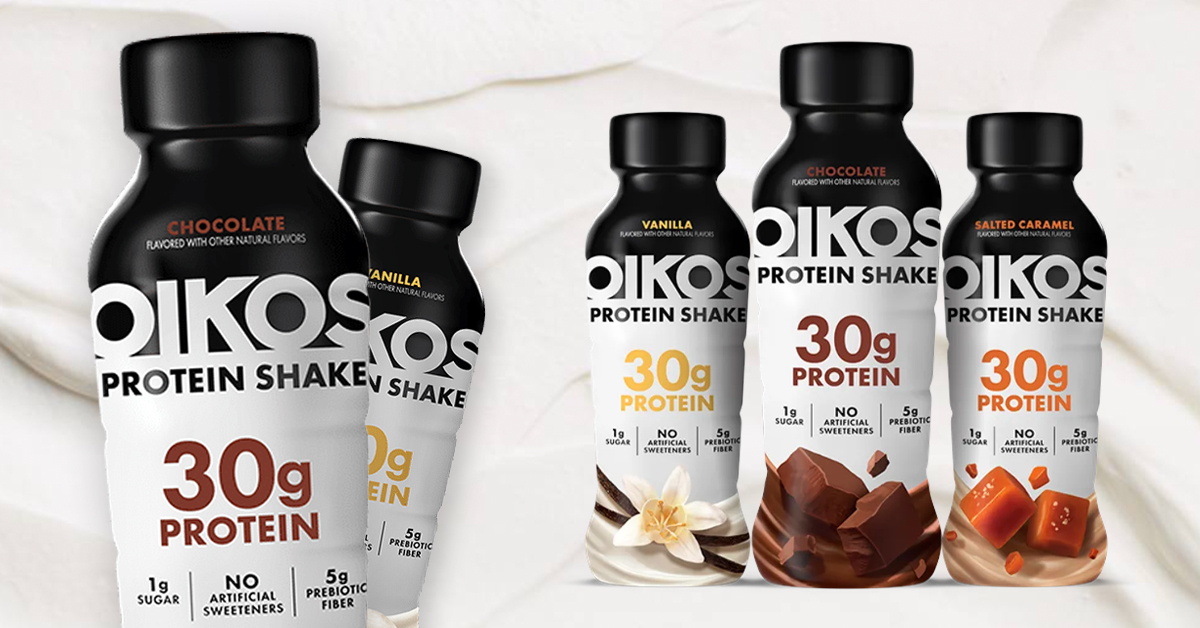
Danone’s introduction this week of new shelf-stable Oikos Protein Shakes (30 grams per 12 oz. bottle) seems to be an acknowledgement that the brand can (and should) compete outside of refrigerated coolers. The three-SKU line hits Kroger, HyVee, CVS and other U.S. retailers this month.
Another trend (beyond just MORE PROTEIN) seems to be indulgence: Quest launched its three-SKU Protein Milkshake line — packing an eye-watering 45 grams of protein per 12 oz. bottle — in March, while that Premier Protein earnings call cited the January introduction of its Indulgent High Protein Shakes (30 grams) as “targeting an incremental consumption occasion” (see: non-workout).
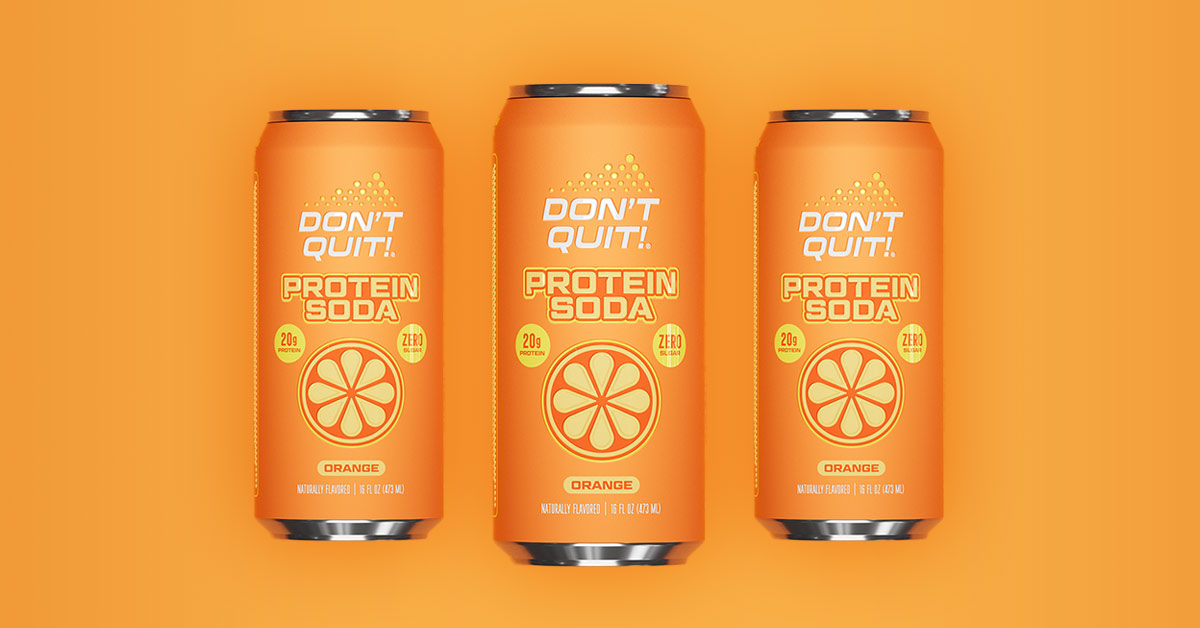
You can also throw the emergence of protein soda in that mix, too. Speaking to BevNET last month, nutrition platform Don’t Quit cited the rise of next-gen better-for-you sodas as direct inspiration for its decision to launch protein CSDs this summer, joining a set that includes Bucked Up, Protein Pop and others.
Who Wins?: At a time when drink makers are focused on “owning” an occasion, what does it mean when that occasion is essentially everything, everywhere, all at once?
Watch brands like Huel, which has evolved from a meal replacement powder into an overall nutrition platform. How will medical-grade releases like its Black Edition High Protein Complete Meal (40 grams of plant-based protein and 27 essential vitamins and minerals), now at GNC, play with consumers in a market where protein is in candy and soda, too?
More competition may also mean more pressure on drink makers to keep consumers within their platforms: that may be part of why we’ve seen Koia and Remedy Organics move into powders recently, and up their own protein counts.
Also watch for category evolution to influence brands to strategize beyond their original concept: we’re thinking of names like plant-based protein specialists OWYN (reportedly exploring a potential bars line) and Slate, which came in as a protein-rich chocolate milk and which has since used venture capital investment to push into powders, cookies and coffee. And if you’re not a real company until someone else rips you off, they’ve got a lawsuit as evidence that they’re on to something.