

Moving can be tough, but that process feels easier when it comes with a $450,000 investment and the opportunity to grow a business in new ways.
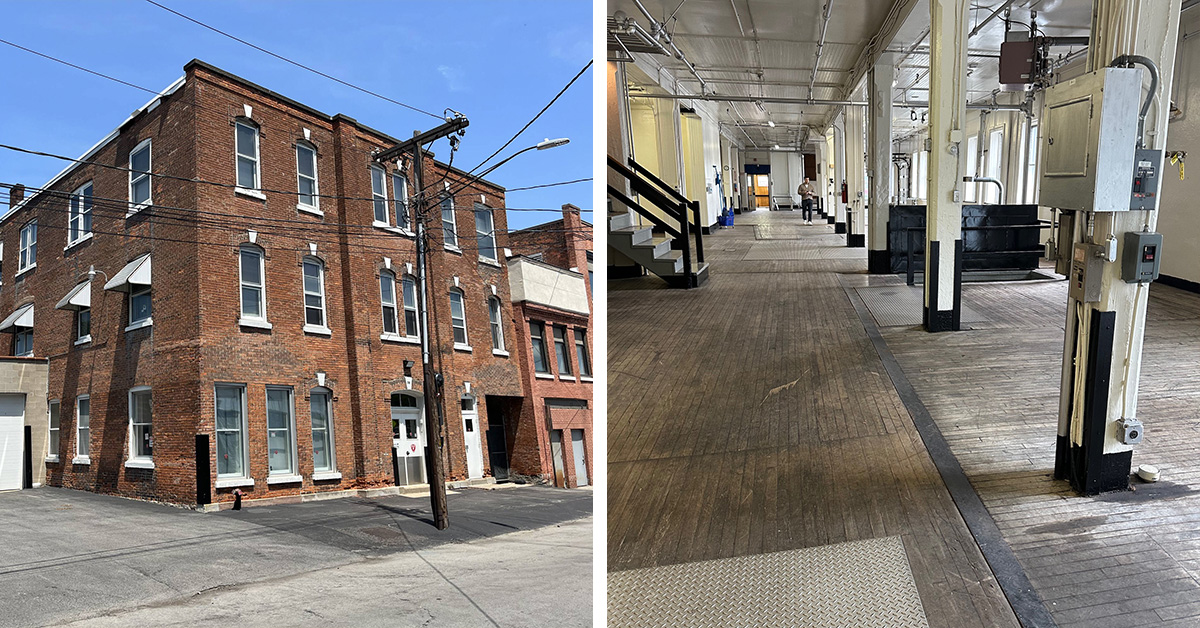
Five years after launching in Portland, Ore. adult non-alcoholic (ANA) brand For Bitter For Worse (FBFW) is moving its business across the country to the banks of Lake Ontario in Rochester, N.Y. The move brings the ANA brand into a new 10,000 square foot facility where it will produce FBFW’s four varieties of 750ml glass bottled cocktails as well as its 6.3 oz. mini-cans.
It will also offer “full-service co-manufacturing of nearly anything non-alcoholic” — like cold brew coffee, sparkling teas, mocktails and energy drinks — except hot-fill syrups and juices, said FBFW cofounder and CEO Shelley Elkovich.
Once up and running later this year, the new arm of the business will offer startup beverage brands everything from formulation consultation and production to temperature-controlled warehousing and shipping-fulfillment services, Elkovich said. “We had some experience and a lot of demand [for co-packing] in Portland, so we knew it was something that we wanted to pursue.”
In the near term, the brand is expecting to devote about 10% to 15% of its line-time to co-manufacturing, but that is dependent on inventory needs for FBFW and inbound demand from other brands.
The business expansion comes after FBFW entered and won a Grow-NY Food & Agriculture Startup Competition last year, winning a $250,000 convertible note.
On the back of its investment prize, the brand went on to receive $200,000 from angel investors and Launch NY, an upstate nonprofit venture development organization. It is now in the process of raising an additional $550,000 from grants and non-dilutive funding, Elkovich reported.
The brand is now aligned with Cornell University’s Craft Beverage Analytical Laboratory through Grow-NY, which will consult with FBFW while also referring potential co-packing clients to the business.
As part of the Grow-NY investment, FBFW is also shifting some of its agricultural product supply chain, like apples and rhubarb, to local growers, providing economic development to the region.
While the move east from the Pacific Northwest was hard, Elkovich said, it primes the brand to grow within New York, FBFW’s second-largest DTC consumer market.
The brand has “an aggressive game plan” to expand its presence from the handful of small specialty retailers in the New York Metropolitan area, she said. “Now that we are a New York brand, we’re talking to the major premium grocers in the region as well as several distributors.”
FBFW will be taking a two-pronged approach by leveraging premium specialty retailers like “bougie bodegas” to build a bigger retail foothold while also targeting on-premise locations to drive brand recognition.
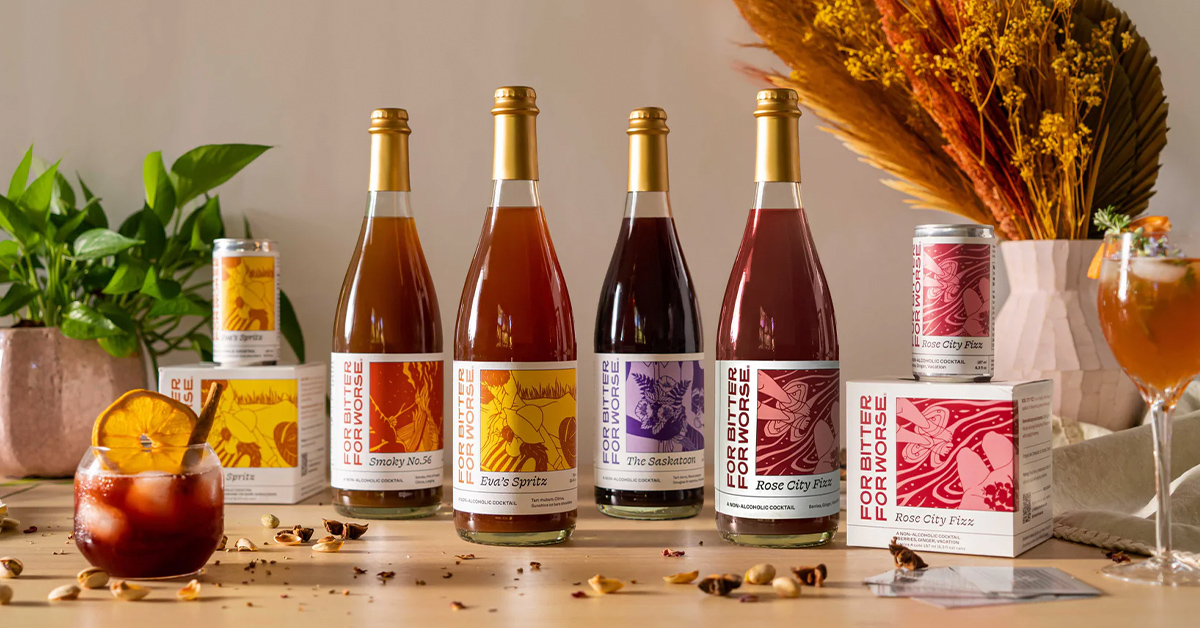
While the brand’s three varieties of canned ANA cocktails (Eva’s Spritz, The Saskatoon and Rose City Fizz) are its best-sellers, Elkovich said that most new accounts quickly take on FBFW’s full line of multiserve, glass-bottled cocktails as well.
As the brand scales its distribution in the Northeast, it is also using its new home as a way to connect with upstate New York’s emerging beverage brands.
“Our facility in Rochester will be a place where brands can rent a desk or have a place for meetings,” she said. “It’s not exactly an incubator, people are doing that, but I want to build and be a part of the local beverage community.”