

On the opening day of BevNET Live Summer 2025 on Wednesday in New York City, speakers tackled leadership amid transformation, what CPG investors are looking for in brands and the current state of hemp-derived THC drinks. The day’s schedule brought entrepreneurs, category builders and seasoned stakeholders to discuss their approaches to growing a successful beverage business.
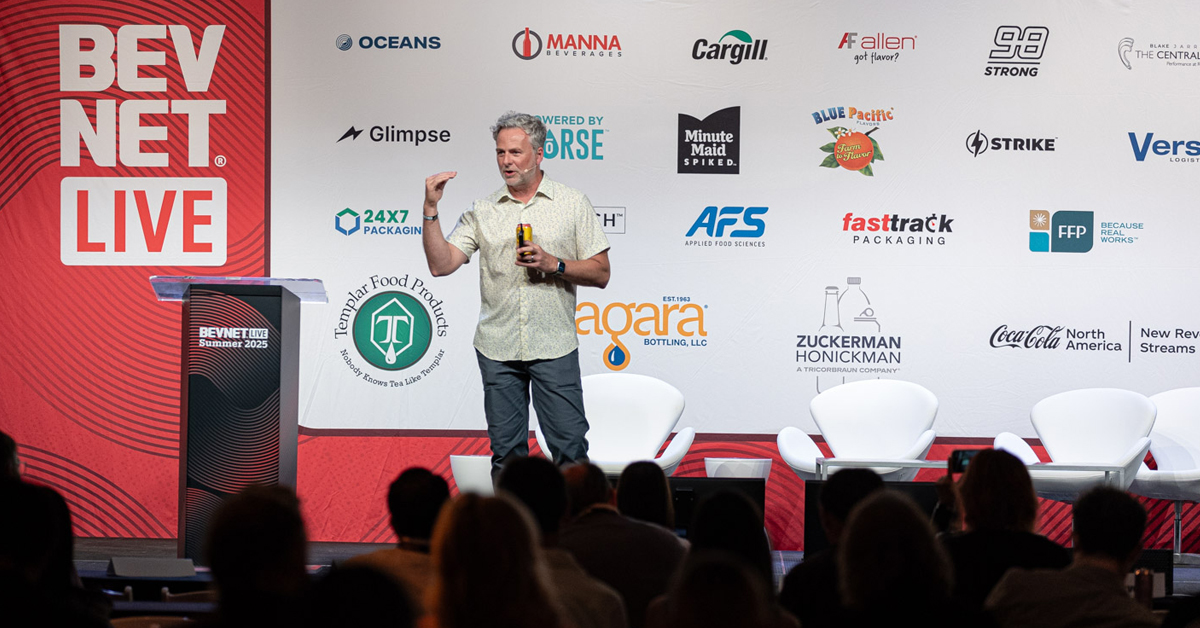
Leading By Listening
Ben Mand has held a variety of roles over his two decades in the CPG food and beverage industry. In March 2024, Mand left his CEO role at coconut water brand Harmless Harvest to lead a new growth phase yerba mate maker Guayaki, culminating in its recent rebrand to Yerba Madre.
There isn’t one approach to being a CEO; leadership needs to meet the needs and goals of the business, Mand explained in his presentation. “You can have all the best strategy and the best plans in the world, but if you don’t have a team that is engaged or bought into what you’re trying to do, you will not accomplish anything.”
Using examples from his career at various brands, Mand discussed how he has approached different brand issues he has attempted to solve by being curious, asking questions and staying true to the “core principles” of the business.
It all boils down to transparency and “providing a safe space for everybody to tell you what you need to hear, not what you want to hear,” he said.
When faced with rebranding Guayaki, Mand approached the change by trying to understand what had made the yerba mate authentic to begin with. Investigating what made the brand inclusive to suppliers and its consumer base allowed Mand to better understood how to transform the tea beverage into Yerba Madre.
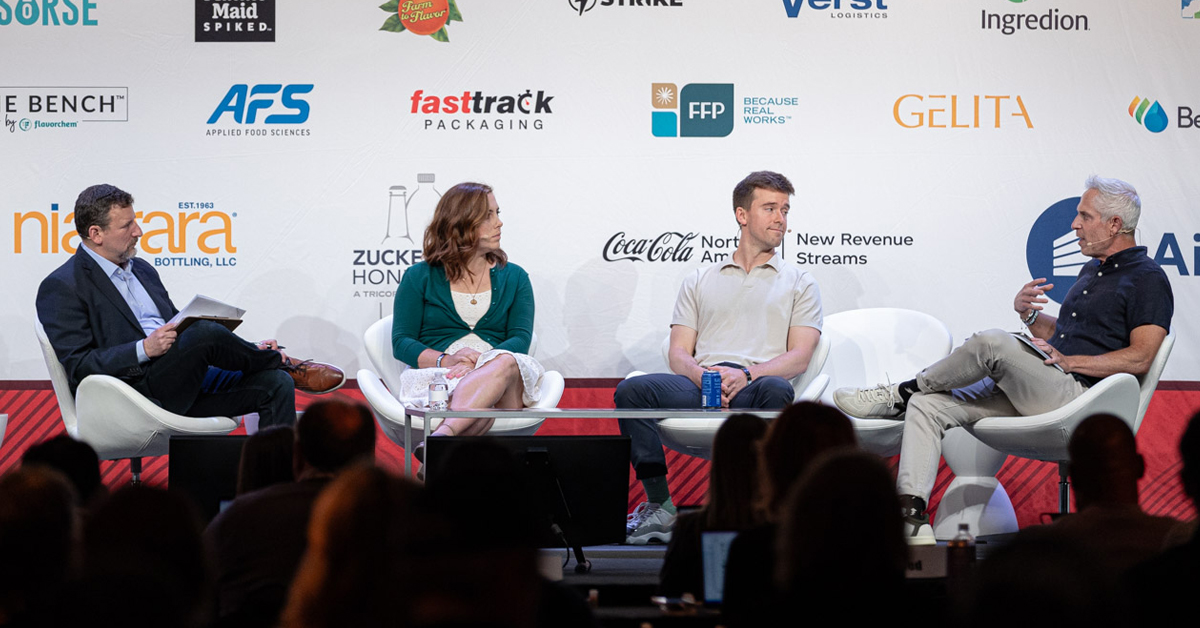
A Collective Approach To Investing
During a panel discussion focused on investment collectives and their unique approaches to funding beverage brands, three speakers gave insight into the current investment environment.
BevNET editor-in-chief Jeff Klineman spoke with Alyssa Arnold, partner at The Angel Group; Kyle Fitzpatrick, founder of Paperboy Ventures; and Josh Wand, Managing Partner of The Family Fund, about how their organizations operate in slightly different ways to help entrepreneurs and founders raise new capital.
Arnold explained how The Angel Group’s investment strategy both capitalizes businesses and plugs them into a network of former founders and CEOs who provide guidance on how to be knowledgeable operators. By using those resources, beverage brand leaders can raise less capital and use that knowledge as a shortcut to success.
“These founders and CEOs who have built and sold to strategics can be great guiding lights and sherpas for the next generation of founders,” Wand added.
The Family Fund provides value not by leading deals but to invest alongside larger venture and private equity firms to emphasize “collaboration and partnership.”
Yet, having former operators and CEOs on the cap table is helpful but can be a “double-edged sword,” Fitzpatrick said. “They can help you on the operation side, but they really beat you down in price. If you want to get a higher valuation, you could go to tech investors, where they’re not as familiar with the multiples and the metrics that are really important in early stage CPG.”
Not an investor vehicle, Paperboy Ventures is media platform that curates early stage CPG food and beverage companies. The outlet works as a connector between startups and investors.
“You could think of us like Shark Tank for CPG in a newsletter and with a podcast,” he said.
The panel went on to discuss how the investment environment has changed in recent years as inflation has ticked up and what advice they have for early-stage founders.
“Tranche it out,” Arnold said. “Take on a little bit less capital, little lower valuation, get that raise, hit that next traction point, and go on to the next.”
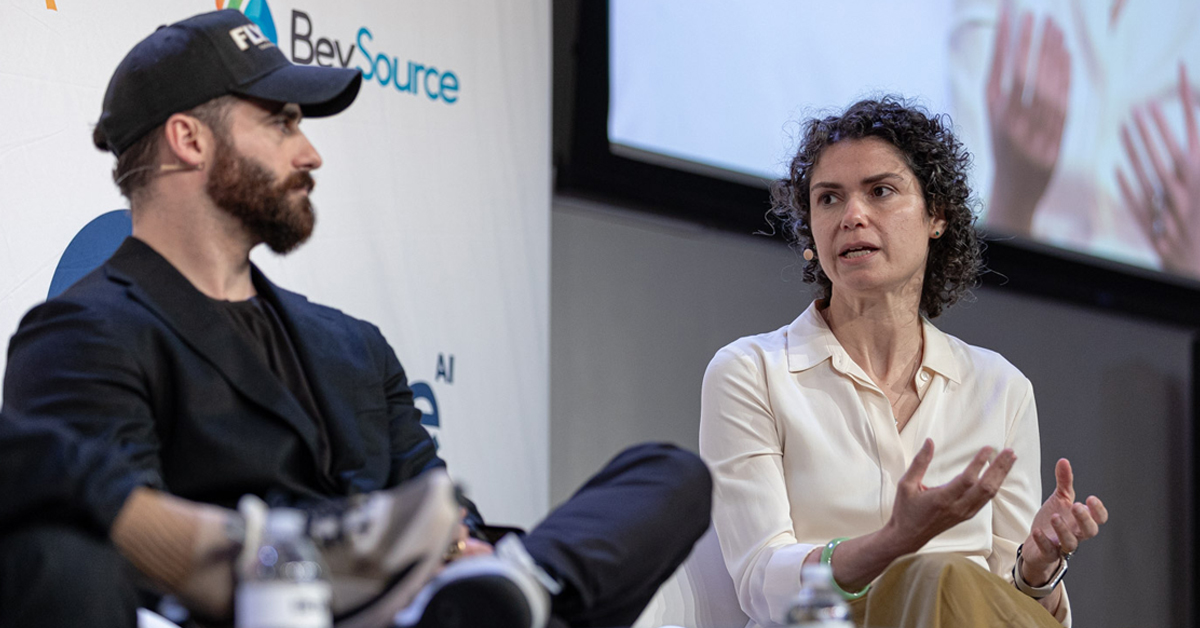
Checking In On Hemp Beverages
BevNET managing editor Martín Caballero led a panel looking at the dynamic hemp beverage with Theory Wellness CEO Brandon Pollock; Craig Lewis, Flyers Cocktail Co. CEO; and Jennifer Cabrera, who leads the Cannabis Law group at A.Y. Strauss.
Despite the meteoric growth in demand, the intoxicating hemp drink category is rife with challenges as a myriad of state-by-state regulations seem to change almost daily.
From Cabrera’s perspective, category brands are going to need to stay nimble because oversight and regulation will likely remain under the purview of each state “for the foreseeable future,” she said.
In many cases, it has fallen on the brands and stakeholders in the space to self-regulate and call for common-sense oversight of the category.
“The market is moving faster than the states have the ability to regulate it,” Lewis said. “We’re helping by working with all the states to create concrete frameworks, or at least minimum viable regulations, to be able to then legally and legitimately sell this product on a state-by-state level.”
Yet, there was optimism for the future. Much of the success of the category has been its ability to align with moderation trends and a growing desire by many consumers to reduce their alcohol intake. According to the panelists, the hemp drink set has proven that it can meet that demand for alcohol alternatives while still providing a tangible effect.
“Beverages are really the only mainstream adult product that provides an intoxicating effect in American culture,” Pollock said. “Long term, it’s inevitable that adult Americans want alternatives to alcohol and, for many people, THC is a safer, better experience.”
Other sessions from Day One of BevNET Live:
- Veteran beverage executive and current VOSS Americas CEO Jack Belsito described why doing the unsexy stuff right can be the difference between success and failure.
- How can beverages align with live events? Red Hot Chili Peppers lead singer Anthony Kiedis and the team behind his JOLENE Coffee brand spoke about its partnership with Live Nation.
- Koia CEO Chris Hunter spoke about building the refrigerated protein smoothie category, pivoting into self-manufacturing and how to determine when its best to shift strategies.
- Adult non-alcoholic brand founders from Pathfinder, Little Saints and De Soi discussed their differing approaches to brand-building in the developing category and why beverage-alcohol is not necessarily the model to follow
Missed A Session? Watch All The Presentations Here