

Among the slate of next-gen functional ingredients taking a starring role in beverages these days, paraxanthine has not thus far gained much traction in the mainstream. But as consumer interest in cognition and performance rises, there are early signals that may be changing.
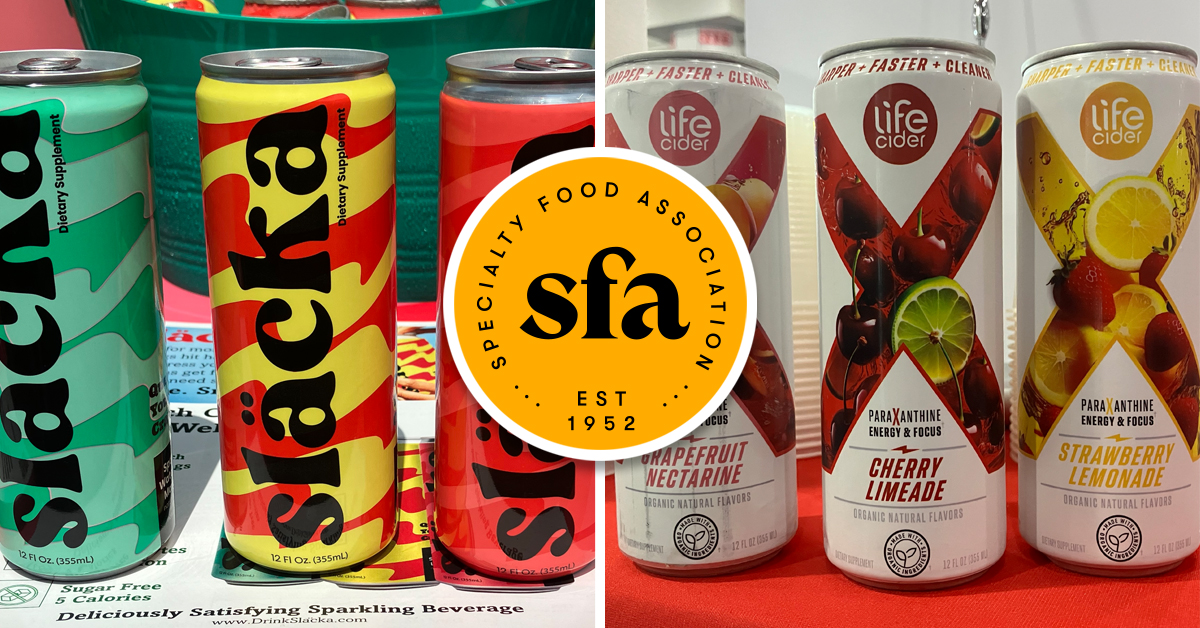
“Paraxanthine is the future of clean cognitive energy,” said Jon Pierre Francia, who has made paraxanthine the centerpiece of a new line extension to his apple cider vinegar (ACV) beverage brand Life Cider. Showcased at this week’s Summer Fancy Food Show in New York City, the new three-SKU, caffeine-free energy drink, dubbed Life Cider X, uses both ACV and paraxanthine to produce “one of those special combinations where the sum is greater than the parts.”
The two ingredients work in tandem, Francia explained, to improve insulin sensitivity and metabolism while enhancing mental clarity. The 12 oz. slim canned, three-SKU line (Cherry Limeade, Strawberry Lemonade and Grapefruit Nectarine) will be available in Vitamin Shoppe locations nationwide in September.
“Unlike caffeine, which must be metabolized into paraxanthine in the liver, we deliver the end-active metabolite directly. That means faster onset, smoother energy, no crash, and no anxiety. It’s pure performance without the dirty baggage — no other stimulant comes close.”
Life Cider is the latest to use the paraxanthine – the main metabolite of caffeine in humans – as a shortcut for delivering caffeine-free energy. UPDATE Beverage was the first drink maker to bet on paraxanthine, drawing caffeine-adverse energy consumers. That’s not to say there haven’t been several alternatives to caffeine popping up in the category.
Once offered in tandem with caffeine, taurine is showing up as a standalone substitute, while ketones have become the latest energy boosting additive.
But paraxanthine is not just being used for the midday boost.
New GLP-1 positioned brand Släcka is using the ingredient in conjunction with amino acid 5-HTP (5-Hydroxytryptophan) to help users reduce hunger cravings and jumpstart metabolism. Similar to caffeine’s impact on the body, paraxanthine gets the metabolism working faster to burn calories and fat.
Släcka is targeting consumers seeking weight-management options. The brand is marketing around studies that show that paraxanthine can increase metabolic function and reduce hunger cravings.
While paraxanthine might still need more adopters to power itself as the next ‘it’ functional ingredient, its multiple uses make a case for more beverage brands to formulate around the caffeine alternative.