

The adult non-alcoholic (ANA) beverage category has evolved past its early days of carbonated soft drinks masquerading as mocktails. Growing consumer adoption of the set has been driven recently by demand for functional options intentionally crafted to have an effect and positioned toward experiential occasions.
Function Over Familiarity
Avoiding alcohol does not necessarily mean abstaining from feeling something. That approach seems to be driving some of the gains witnessed in the last year for the ANA category, which is expected to deliver incremental growth of $4 billion by 2028, per a recent IWSR report. The bev-alc data provider highlighted the point that new product investment has been focused on brands with functional attributes in the last year.
While functionality has been a selling point for many ANA brands, 2024 saw many brands go all in on the ‘feels.’ After launching in 2016 as a CBD relaxation product, New York-based Recess deepened its value proposition to include non-alc with a Mocktail line. Co-founder Ben Witte told BevNET Live Winter attendees that the line now makes up about 90% of its sales.
Early adopters Kin Euphorics and Aplós have continued to innovate with new varieties and formats that use adaptogens to cater to specific need states from sleep to digestive health. Little Saints expanded from a multiserve format to a four-SKU line of RTDs each formulated with adaptogenic mushrooms and botanicals.
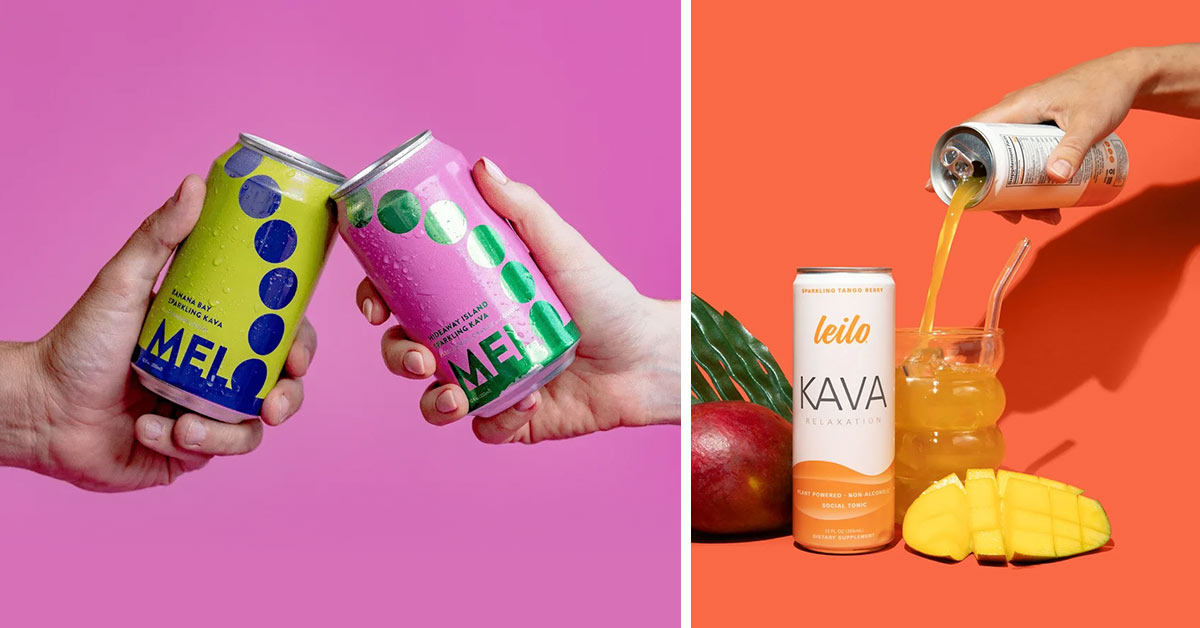
A new subcategory of functional ANA is also gaining more widespread adoption as well. Kava and kratom are finding a footing outside of the niche kava bar culture among consumers in RTDs and powders as an alcohol alternative. Ketone beverage brands are also stepping outside of the fitness and performance set to harness the enthusiasm around non-alc.
Cannabis Beverages Go All In On ANA
The cannabis beverage category has seized on this draw toward sober socializing with new products, formats and marketing campaigns focused on alcohol moderation.
The coinciding timeline of consumer adoption of ANA products and the rapid expansion of hemp-derived THC beverages has brought with it many innovations. Many THC beverage brands are bringing new formats like pocket tonics and meltables to the set while others are expanding their portfolios from multiserve bottles for mixing THC cocktails to more convenience-oriented products like RTDs and infused liqueur squeeze bottles.
Even as some states institute increasingly complicated legislation to regulate Delta-9 THC products, new brands are jumping into the category. Initially launching as a sparkling hard tea, spritz and canned cocktail brand, Loverboy moved into ANA in December 2023. Finding an adjacent beachhead there, the brand took the next step with the aptly named Flowerboy.
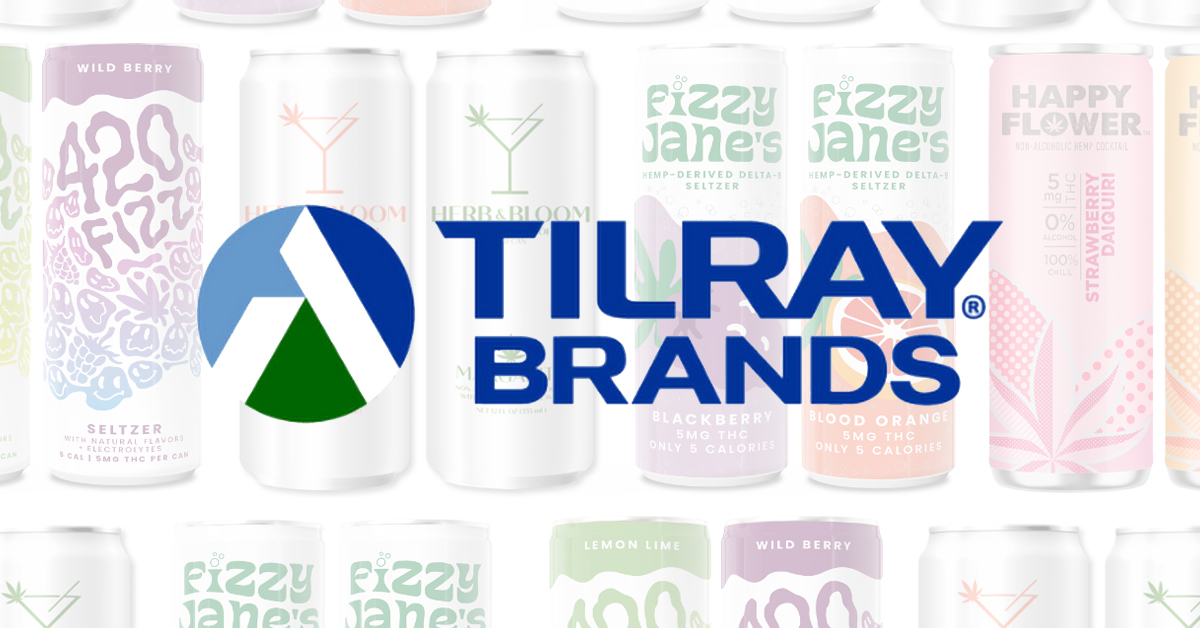
Multi-state, regulated cannabis operators are also squeezing out territory in the hemp-derived THC set. Whether the scale of these cannabis companies can outweigh the smaller brands that have helped build this category remains to be seen, but Curaleaf’s Select Zero Proof THC seltzers and Tilray’s Happy Flower line of Peach Bellinis, Strawberry Daiquiris and Margaritas are a testament to how the normalization of THC has aligned with drinking (and sober-curious) culture.
Go Where The Drinkers Are
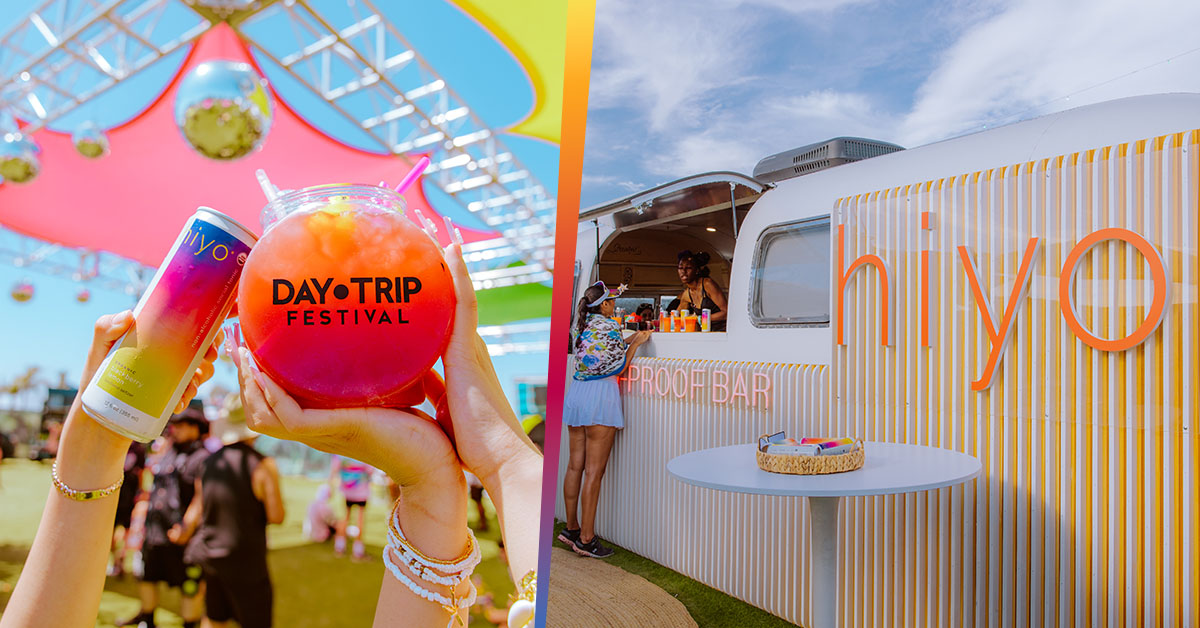
It’s unsurprising that one of the key areas that consumers are being introduced to ANA options is in the on-premise channel. Bars and restaurants might be the first place to find a specialty mocktail made with one of the many non-alc alternative spirits currently available, but places like music venues, festivals, sports events and local cafés have also become a key part of the ANA equation.
Coachella doubled down on its partnership with L.A.-based retailer The New Bar for this year’s music festival while Insomniac, one of the country’s largest electronic dance music promoters, signed a five-year partnership with hiyo to feature the brand at all concession stands. Several ANA-positioned THC drink makers have also piled into the live music occasion as a place to bring new consumers to the category.
It’s not just music either. Stadiums and arenas are offering ANA options to cater to the growing contingent of sober drinkers.
As the category has expanded it has brought bev-alc, conventional, and mass retailers into the fold, and, at times, making it more difficult for dedicated ANA retailers to carve out market share. Yet, boutique ANA bottleshops are using their retail spaces to not only be a place of discovery but also stand in for bars or coffee shops. Location is important in these cases but from New York to San Francisco (and even Lafayette, Ind.), an intentional mix that includes food, entertainment and sampling is fueling ANA’s on-premise presence.