

From brand updates to new products to emerging trends, BevNET has you covered for all things Natural Products Expo West 2025. Follow all our coverage right here.
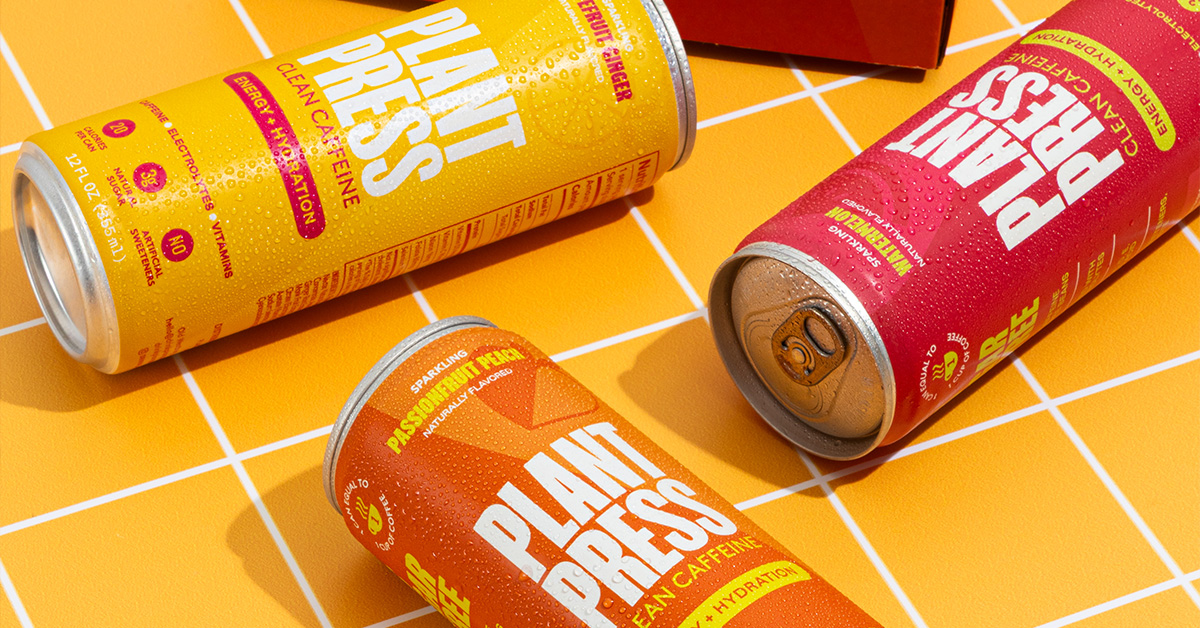
Plant Press Updates Packaging
As energy drinks have become more fragmented, brands like Celsius and C4 have found success catering to a hyper-specific audience before widening their appeal. Early wins for Plant Press, a clean caffeine energy brand from first-time entrepreneur and Expo West exhibitor Arianna Farahani, suggest it could be following a similar path.
Working with broker CMG over the past year, the New York-based brand had been gaining traction at small and mid-size accounts like Bristol Farms and Better Health (Michigan) before taking a big leap last July when fitness chain Lifetime brought on the product at 170 locations, where the brand’s clean ingredient deck (see: no stevia) helped it bump Celsius from shelves, Farhani told us. Even within a crowded space, she says Plant Press has found room to grow; at 100mg caffeine, it’s not as strong as Celsius, while added electrolytes help distinguish it from names like Gorgie and Bloom.
This spring, Plant Press aims to keep its momentum going: along with a packaging and label revamp emphasizing its “energy + hydration” proposition, the brand is set to launch at SoulCycle locations in New York City this month, with potential further expansion on the cards. It’s also launching at airport market chain CIBO Express, and a fourth SKU is in the works also for possible debut in June.
“We’re basically the only thing on the shelf besides water (at Soul Cycle), and we’re their only energy product,” said Farahani. So I’m really excited about it because it’s done so well amongst the spin classes at Lifetime or with trainers and influencers. It’s really positioning us to be a leader in that (space).”
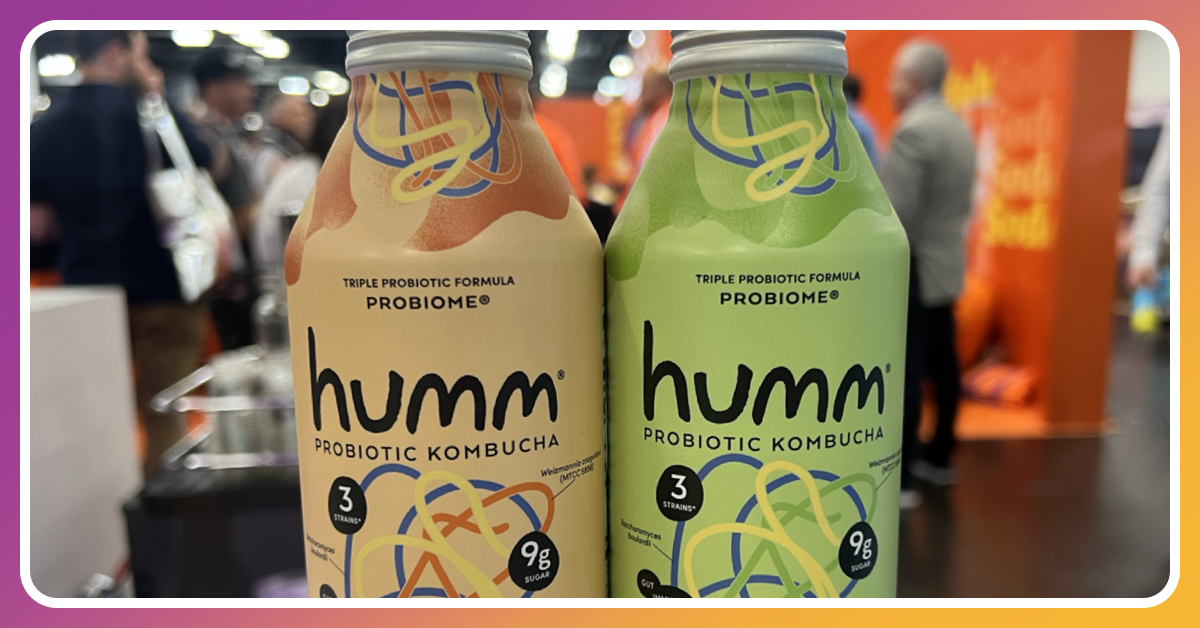
Humm Kombucha Flexes Formats
While other kombucha brands continue to explore alternatives, one of the category’s earliest success stories is doubling-down on the power of kombucha through a slate of new innovation.
Washington-based Humm Kombucha, now part of the SYSTM Foods portfolio, showcased three new products set to launch this year, starting with Probiome, a refrigerated line packaged in resealable 16 oz. aluminum bottles that promises to go even deeper into gut health with a “triple probiotic stack” (plus L-theanine) that makes it the brand’s “most functional booch ever.” Expect this one to show up as a Whole Foods exclusive in June in five flavors: Ginger Lime, Lavender Rose, Mango Lemon, Honeycrisp Apple and Pineapple Turmeric.
Humm is also giving kombucha the nitro treatment with 12 oz. can sub-line (Orange Dream Pop and Blackberry Vanilla), though samples poured at Expo West came straight from a keg. The frothy, creamy texture is the big appeal, but there’s also L-theanine for added functionality.
Finally, the brand is set to test a novel format for kombucha: 2 oz shots. The three-SKU line — Ginger Turmeric Orange, All the Berries and Apple Greens — also lean into broader functionality, promoting “probiotics + focus, immune & everyday stress support.” They’re between 24% and 29% juice each, so expect a more kombucha-forward experience, as intended.
Gorgie Intros Stick Packs, Lifestyle Line
Female-positioned energy drink brand Gorgie is going deep on building brand awareness beyond its original canned beverage format. At this year’s Natural Products Expo West, the company introduced a new line of stick packs featuring its Peach Tea, Watermelon Splash, Tropical Punch and Mango Burst flavors.
The green tea caffeine-based powders are sugar free and are packed in 12-count multipacks. The shift into sticks enables the brand to capture consumers at additional moments throughout the day, explained founder and CEO Michelle Cordiero Grant.
The brand, which is gearing up for a launch at Target in April, is also introducing a lifestyle line to complement its RTD beverages on shelf. With an array of clothing items including t-shirts, shorts, bathing suits, polo shirts, hats and scarves, the items will give Gorgie both added visibility within the mass retailer’s stores as well as contribute to its goal of building a lifestyle brand.
Remember, this is the company that regularly publishes its own “Gorgie Magazine” and has executed a wide array of unique marketing activations including placements at New York Fashion Week and co-branded product partnerships with social media influencers like Jordan Jones.
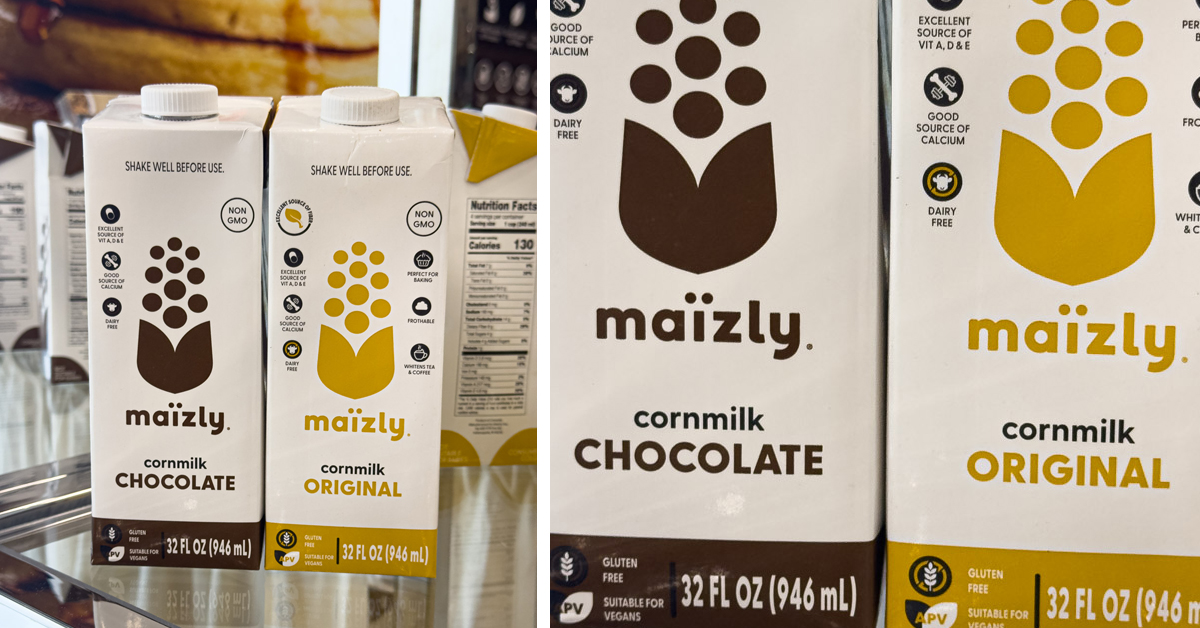
Mazily Corn-ers Plant-based Market
First there was soy and almond, then oat joined the fray, opening up new opportunities in coffeeshops. After that came pistachio, pecan and macadamia nuts. Now there’s a new plant milk: corn. Or, at least, one brand hopes.
Maïzly is one of the newest entrants to the dairy-free milk category using corn fiber, coconut oil and chickpea protein to make a plant-based alternative. At Expo West, we saw the brand’s 32 oz. cartons in Original and Chocolate varieties, each with 8 grams of fiber per 8 oz. serving and fortified with vitamin D and calcium.
“It took 120 iterations to get where we are but we feel like it is the next-generation of plant-based milk,” said co-founder and CEO Tim Leclercq.
The shelf-stable product is currently introducing itself to U.S. consumers in New York, where it is targeting independent and small-chain grocery stores as well as a partnership with Maman coffeeshops. It froths well in hot drinks and “lets the coffee shine through” better than almond or oat milk, Leclercq said.
Like other plant-based milks, Maïzly highlights its hero ingredient’s sustainabile qualities, mainly being corn’s low-water usage and abundance worldwide. Additionally, the South African founding team are also addressing the lack of shelf-stable infant formula on their home continent. Maïzly is launching infant formula sachets there to aid in providing more early-child nutrition. The format is not planned for the U.S. or E.U. due to the regulatory hurdles in those markets.
Maïzly made its first production run in Canada, but is looking into potential co-packing partners in the U.S. to hedge against the looming specter of tariffs.
“We can weather the tariffs for a bit while we grow but the challenge with the U.S. is that a lot of the copackers have very high minimum volumes,” he said.