

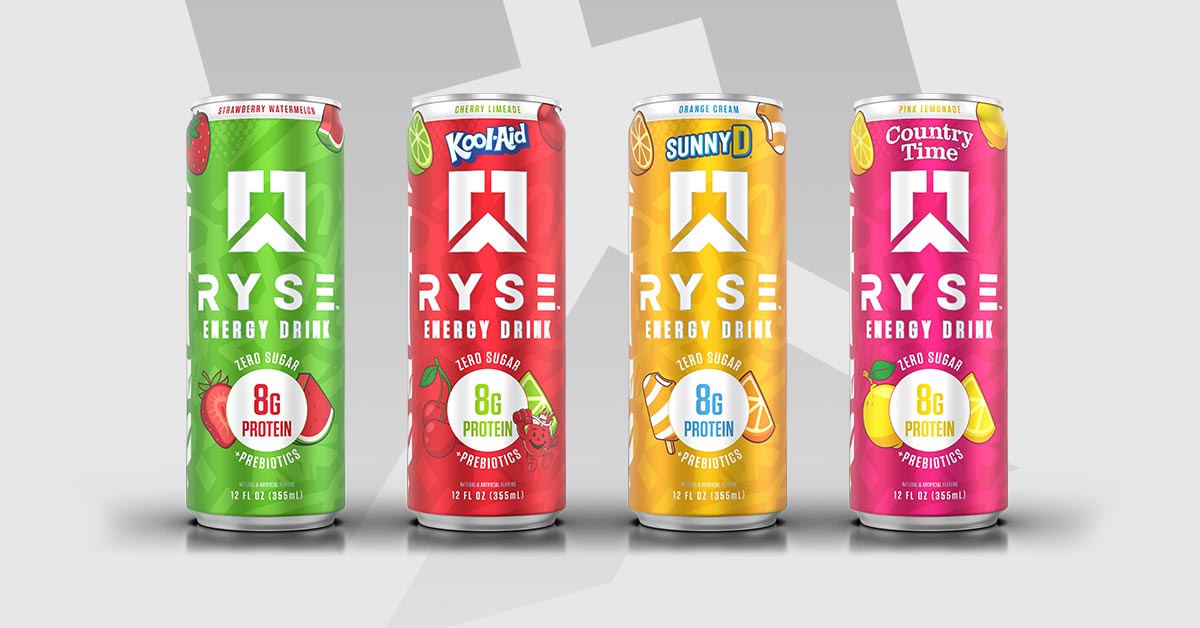
The bridge between the sports supplement market and mainstream health and wellness retail has been well traveled in recent years, and Ryse is hoping a two-pronged energy drink strategy can punch its ticket to cross over. As part of a year-long effort to prepare the company to take a major step forward in 2026, Ryse is releasing a new 12 oz. canned line of protein-boosted energy drinks this month.
The Texas-based supplements company, founded by CEO Nicholas Stella in 2017, sports a similar profile to brands like Nutrabolt and Ghost prior to their respective ascents into beverage heavy hitters. Ryse has a deep presence in stores like GNC and Vitamin Shoppe with an array of protein, pre-workout, creatine, BCAA and hydration powders, some of which feature flavors licensed from popular Kraft-owned brands like Kool Aid, Country Time and Jell-O.
The brands’ entrance into energy came in 2022 with zero-sugar Ryse Fuel Energy, a ten-SKU line in 16 oz. cans featuring choline and 500 mg of taurine. Using those same licensed flavors, that product launched in Vitamin Shoppe and has since expanded to Target, Kroger, Dick’s Sporting Goods and other mass chains. Last year also saw the debut of two more RTDs: Loaded Pre-Workout in 12 oz. bottles and whey-based Ryse Clear Protein (22 grams protein) in 16.9 oz. bottles.
Ryse’s new zero-sugar Energy Drink seemingly splits the difference between its energy and protein lines, with the result being a product that does a little of everything. The original plan was to launch Ryse Fuel Energy in 12 oz cans, making it the first brand to tackle the category in that size format using licensed flavors. But Stella ultimately decided that wasn’t unique enough to break through a crowded set, so he began experimenting by adding some of the brand’s clear whey protein into the mix, as well as Sukré, a proprietary prebiotic sweetener from Compound Solutions, Inc.
The result, as Stella tells his team, is “an energy drink with a splash of protein,” with an extra gut health boost. It’s a framing that helps distinguish the product from the small-but-growing protein soda set (algonside Bucked Up and Don’t Quit), and also works in terms of both pricing and merchandising.
“We don’t claim to be a protein drink. We do have protein drinks if you want them,” said Stella. “[This] tastes like an energy drink, it’s going to be the same price [$2.49-$2.99] as Alani Nu and Celsius, but you’re going to get that eight extra grams of protein and gut health along with it. So really our consumers know, if you like a smaller 12 ounce can, it’s a no brainer to pick it up.”
The product’s route-to-market reflects its broad ambitions: all five Energy Drink flavors – including Country Time, Kool Aid and Sunny D varieties – are moving through 7-Eleven and QuikTrip “right out the gate,” said Stella, where they will compete with the other licensed flavor energy drinks from brands that have already laid a blueprint for making the leap from supplements to RTDs.
“While sports nutrition brands didn’t invent the audience-first strategy, we’ve seen C4 Energy and GHOST masterfully leverage a version of it, successfully transitioning from popular powdered pre-workout energy supplements into energy drinks,” said Joshua Schall, an independent CPG consultant. “And RYSE similarly fits into that same strategic box.”
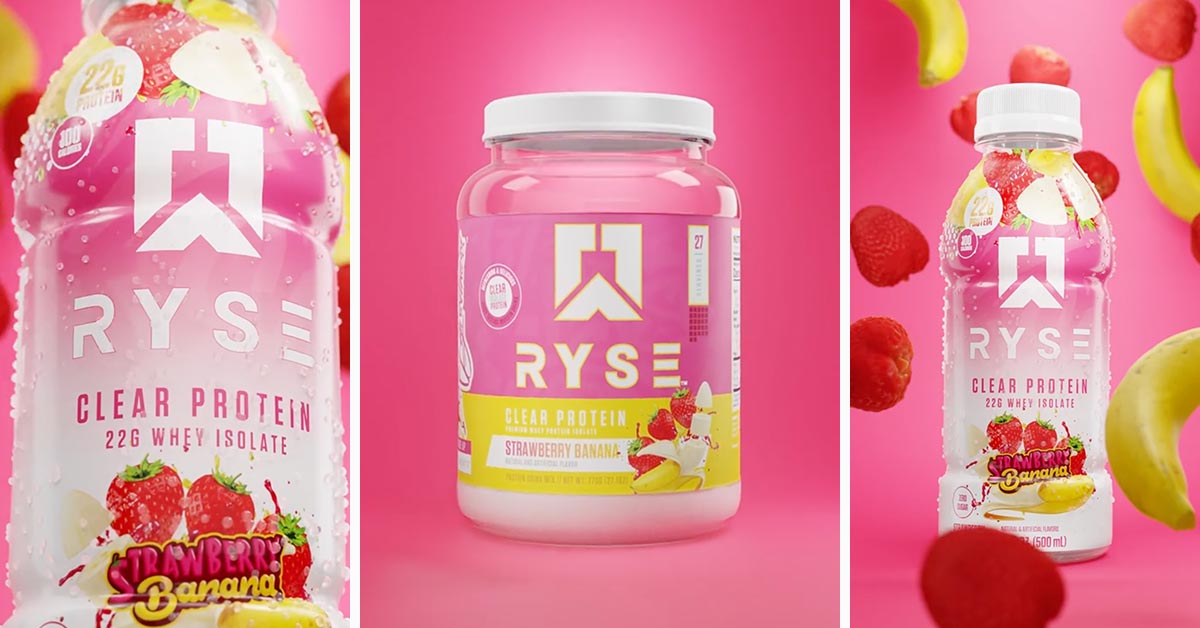
Ryse’s newest release also affects other parts of its portfolio: Fuel Energy will be “reinvented” over the next few months, with the addition of Cognizin and other functional ingredients that push the product closer to a “full-fledged, nootropic-type drink,” Stella said. That positioning, relatively, makes Ryse’s 12 oz. drinks an “everyday” option for both men and women under the same banner.
And though the new line may only feature a “splash,” Ryse still has big plans to expand in protein. Stella said the brand is developing a milk-based drink with 30 grams of protein per serving that will be released within two to three months, and is set to feature a Jet-Puffed-branded Marshmallow flavor. Ryse’s diversified portfolio reflects the ample opportunities to innovate within RTD protein and “open up the category to more buyers, different use occasions, and more day parts,” Schall noted.
Even as innovation ramps up, Ryse is still pacing its overall expansion. The company has been a steady presence for beer and non-beer DSD houses that have lost multiple major energy brands to strategics over the past half-decade, including Groux Beverage Group, BevTalk, Shore Point and DeCrescente Distributing. As category consolidation picks up, its value to independents may be even more potent.
“You’re going to see us kind of get on the map next year in 2026,” said Stella. “This is our learning year to learn how to grow into what we want our product offering to look like. We adapted and switched what the product should be and we’re just excited about next year.”