Headlines

Evolution Fresh to Quadruple Production and Distribution Capacity with New Facility

Starbucks has announced plans to dramatically increase the production and distribution capacity of Evolution Fresh juices with the construction of a new juicing plant in Southern California. Starbucks, which acquired the ultra-premium juice company in November, will replace the company's current manufacturing plant in San Berdardino, Calif. with a new high-tech facility in Rancho Cucamonga, Calif., set to open in late 2013.
Sparkling Growth: 6 Questions with David Karr of Guayaki

Although its co-founder said that Guayaki isn’t one of those brands trying to get into Target, with the launch of its new sparkling drink line, the yerba mate company may end up there anyway. Aiming to elicit greater trial and exposure of yerba mate among mainstream consumers Guayaki recently launched a line of sparkling yerba mate products in May. David Karr, the co-founder and vice president of marketing for Guayaki, said the line is the company’s “most successful product launch ever.”

Big Deal! The Danger of Value Pricing

Thanks to the miracle of smart phones, my contacts often zap me photos of interesting store displays they spot in their market meanderings. One subset that we occasionally flag consists of ridiculously hot deals on purportedly super-premium beverages. And despite rhetoric from top brass to the contrary, it’s easy to get sucked into brand-equity-draining deals when you’re trying to hit a volume number or appease an important retail customer.

REBBL CEO Hawken: Botanical Intelligence Can Grow a Brand

He’s kept a low profile since helping sell early acai competitor Bossa Nova to Sunny Delight Beverage Co., but REBBL CEO Palo Hawken hasn’t been completely out of the beverage business, he’s happy to say. In fact, REBBL is the "sort of the brand concept I’ve been working on for a lifetime,” Hawken told BevNET.

New Territory for Tea

It wasn’t slowed by the downturn, it has benefited from health and wellness trends and has been the category into which many exciting new brands have launched and grown. For each of those reasons, RTD tea is a category that remains at a rolling boil: total sales of RTD in the U.S. were up by 7 percent in 2011, according to Euromonitor International – and have moved from just over $5 billion to just under $8 billion since 2006.

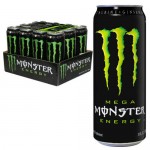
Monster Authorizes Additional $250 Million Stock Repurchase

On the heels of a stock fiasco that has seen its share price plummet in recent days, Monster Beverage Corp. has authorized an additional $250 million repurchase of its outstanding common stock. Monster's announcement today appears to be an attempt to stem the tide after revealing last week that its second quarter earnings came up slightly short of analyst expectations and the company's disclosure that it had received a subpoena from an unnamed state attorney general.

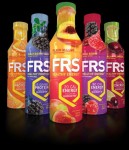
FRS Quitting Pepsi System, Enters Partnership with L.A. Libations

Sports and nutrition brand FRS announced it is terminating its deal with PepsiCo at the end of the year and turning much of the responsibility for its chain account management to sales/distribution organization L.A. Libations. FRS uses PepsiCo’s distribution system to reach major grocery and drug chain accounts, however, the system is also employed by Gatorade and the arrangement has resulted in FRS failing to receive the kind of support it felt it needed, according to CEO Carl Sweat.

ZICO Eyes Gold, Named “Official Coconut Water of the Olympic Games”

The curtain may have closed on the 2012 Summer Olympics in London, but ZICO's partnership with the international games is just getting started. Last week, ZICO announced that it was named "the Official Coconut Water of the Olympic Games," a designation based on parent company The Coca-Cola Co. Inc.'s sponsorship of the Olympics, and one that provides the coconut water company with the same marketing rights as Coke through the duration of its current sponsorship.

Liquid Risk: Beverage Companies Spend Millions to Conserve Water

Concerned about the long-term risks of water shortages, the top beverage companies in the world are spending millions of dollars every year on conservation and sustainability efforts to protect access to the crucial ingredient, according to a recent article by the Associated Press.

Monster Facing AG Investigation — and Beasties

Energy Drink juggernaut Monster Energy revealed yesterday that it is facing a subpoena from an unnamed state attorney general concerning the brand -- and also received notice it was being sued by a well-known rap group.

The Bloomberg Ban

Regular readers of this column (all nine of you) are aware that I’m not one to blast regulation. In fact, my knee tends to jerk the other way, believing that, grandstanding aside, the social obligations of a business mean that most regulations are worthy of strong consideration and adoption.

One Drop Moves to Cans as Marley Grows

One Drop is unlike the rest of the Marley’s Mellow Mood line in that it is not a “relaxation beverage.” The Marley brand has been growing – it’s up to more than 65,000 stores in the U.S. and 10,000 internationally, according to company president Kevin McClafferty, but so far One Drop is only in about 10,000 of those domestic accounts.

Prepping for Nestea Transition, Coke Introduces New FUZE Teas, Juices

The Coca-Cola Co. Inc. has introduced a new line of tea and juice drinks for its FUZE brand as it prepares to hand over distribution of Nestea to Nestle Waters North America (NWNA) at the end of 2012. Earlier this year, Coke and NWNA announced that they would alter their 20 year partnership and marketing agreement of the Nestea brand to focus away from North America.The new FUZE offerings include a lemon tea, a tea and lemonade blend, and a strawberry lemonade.

Bunnies & BevCos – Why the Annie’s IPO is Important to the Drinks Business

Since late March, the successful initial public offering (IPO) of natural foods company Annie’s Inc. (you’ve probably bought their macaroni and cheese before) has dominated market-related discussions within the natural products industry. One reason for this is that, unlike the technology industry, where IPOs frequently happen, consumer brands usually get acquired prior to achieving the size necessary to garner sufficient institutional investor interest to support going public.