

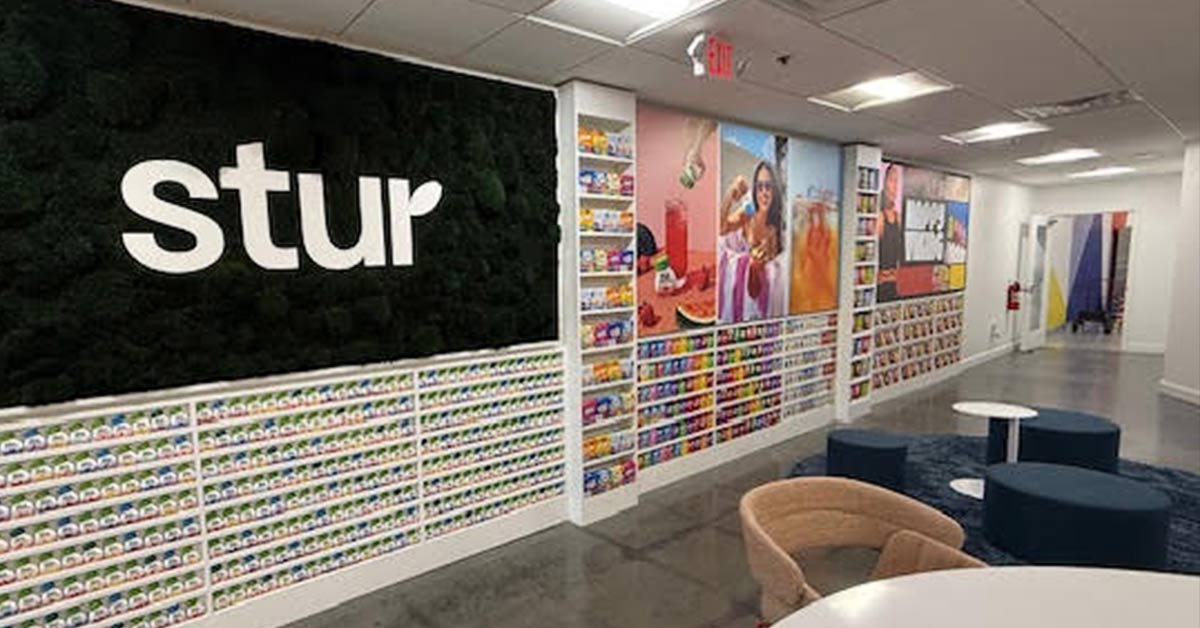
In a time where consumers’ attention is being drawn in thousands of different directions every second online, it’s important for brands to be able to move, pivot and innovate as fast as possible to keep engagement high. Drink mix manufacturer Dyla Brands, maker of Stur and protein brand Happy Viking, now has an entire facility dedicated to meeting those specific demands.
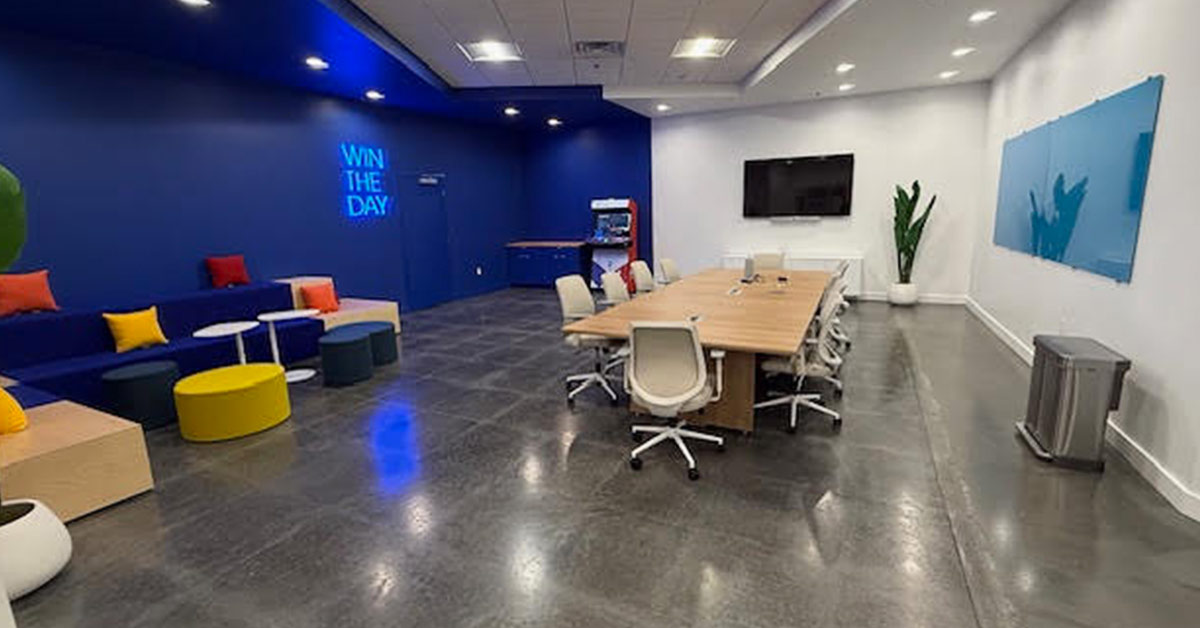
Last month, Dyla opened a new 10,000 sq. ft. “Flavor Lab” in Edison, New Jersey, capable of producing “several thousand bottles” of liquid and powder drink mixes a day. The site is equipped with corporate offices, a fulfillment center and a robust R&D division intended to continuously produce new specialty flavors that can be launched and marketed on a near weekly basis. The facility has warehousing capacity for 90,000 bottles and can make 400 units of 2 oz. Stur bottles per hour.
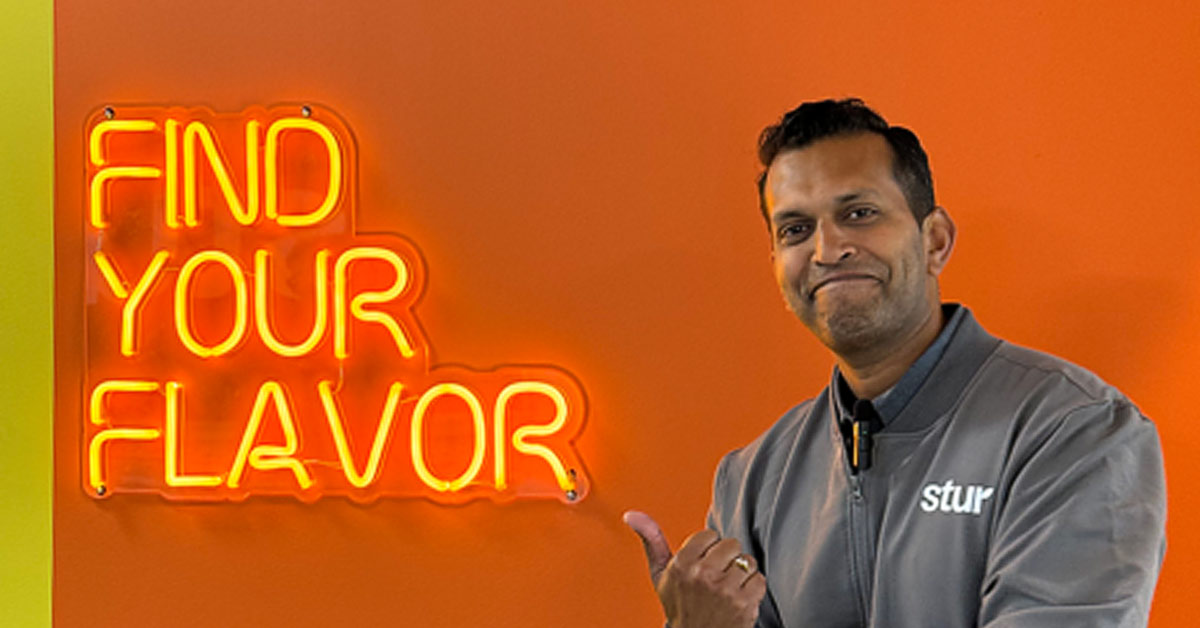
According to founder and CEO Neel Premkumar, the need for a lab became more apparent last year after Stur experienced a significant sales lift amid the#WaterTok trend, where TikTok users began sharing “recipes” for blending different drink mix products together to create unique and customizable flavors at home. The hashtag led to the rise of multiple new influencer accounts and gave brands like Stur, as well as other drink mix competitors like Jel-Sert, an opportunity to modernize their marketing strategies and reach a treasure trove of eager Gen Z consumers looking for original products.
While Premkumar said #WaterTok’s popularity has slowed down since its peak at the end of last year, he suggested it still generates about a million new views each week – respectable for sure, but a trickle compared to periods last year when the trend would grab over 25 million new views a week. Still, the strategic road map it created is still highly relevant, particularly as Dyla has expanded its social scope to sites like Instagram and YouTube Shorts as well.
“A lot of micro influencers would post something, it would catch on and the algorithm would bump it up – and sales at retail, we would see store-level, weekly sales change for certain SKUs,” he said, noting that giving out free samples to influencers has become a top marketing priority. “We’ve probably sent a million pieces now to different people for a couple years.”
Influencing the Influencers
The company began working on the Flavor Lab last year, Premkumar said, and, with the facility now open, Dyla is looking to forge closer relationships with influencers by developing custom co-branded flavors and rolling out a robust LTO strategy for ecommerce.
The lab’s flexibility, he said, will allow Dyla to come up with new products, but also create small batch, custom orders: If a customer wanted a Key Lime Pie flavor, for example, the facility can process a number of bottles for individual purchase, ideal for events like weddings and parties, or co-branded corporate events.
“The reality is, all of our taste buds are slightly different, and when you sell only a few key SKUs everywhere in the United States at mass retailers, you’re probably appealing to 70% of the population with any particular broad flavor,” Premkumar said. “But individually some of us might absolutely love a Key Lime Pie flavor, but couldn’t find that because that just doesn’t appeal to 70-plus percent of the population.”
The Flavor Lab currently has around 10 employees working out of its office space, while the manufacturing section has just two full-time employees with several part-timers handling the rest of the production responsibilities.
Overall, Dyla, he said, is operating at a profit and passed $150 million in revenue over a year ago.
Beyond LTOs, Dyla is also stepping up its private label partnerships. The company is now producing powdered drink mixes for energy drink brand C4 and fruit drink makers Ocean Spray and Dole.
While C4 makes its own preworkout drink mix powders in multiserve tubs, Premkumar said Dyla is able to produce individual serving stick packs for the brand at lower cost – Dyla has robotic automation for drink mixes, Premkumar said, which he estimated makes the COGS around 30%-40% lower for on-the-go sticks than most other manufacturers in the U.S. As well, the company – which also manufactures products at a facility in Illinois in addition to the New Jersey lab – is able to aid brands in scaling.
“As more and more players have gotten into the [drink mix] space, bigger CPGs like Coke and Pepsi and Unilever, scale actually becomes really critical in this space,” he said. “We’re probably one of the biggest independent drink mix companies here, we’re on track to do 2 billion servings [this year], so that scale really helps with negotiations with retailers. We’ve got carved-out shelf space for a number of our items, we’re able to negotiate better, we’re able to get off-shelf promotion. All of that helps in this category.”
In addition to licensed products, Dyla is also now looking to expand its protein mix brand Happy Viking, which is co-owned by tennis legend Venus Williams. Premkumar said that the brand has doubled sales annually since its launch in 2021 and is on track to do $20 million in sales this year, with almost all of the business being online.
Starting in 2025, he said Dyla will look to cut the price on Happy Viking and work to launch a number of new innovations under the brand, including single-serve packets. The Flavor Lab will also be put to use here, developing custom flavors.
“We’ll replicate the exact strategy that has caused Stur to scale so much with Happy Viking,” he said.