

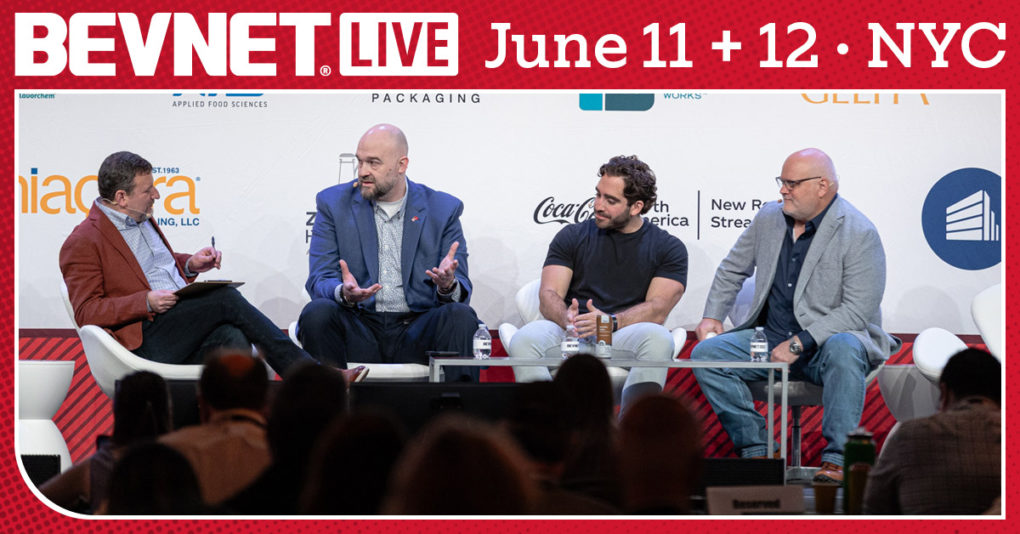
BevNET Live Summer 2025 in New York City wrapped up on Thursday with speakers by focusing on how emerging brands can stay competitive in a cutthroat market, from when and how to break into major chains and channels, the unique needs for different stages of growth, and what big distributors look for in brand partners.
Making It in C-Store as an Upstart
Most early stage brands are eager to get on shelf any which way they can. But convincing a retailer that your product is worth the bet is a tall task, especially in the fast-moving, volume-driving convenience channel.
Day Two of BevNET Live Summer 2025 in New York featured an inside look at how retailers and brokers think about emerging products, with a panel featuring Couche-Tard (Circle K) VP of Merchandising for the U.S. Kurt Fraschetti, retailer broker Welcome Beverage Partnerships’ principal partner Rob Welcome, and an emerging brand founder – Slate Milk’s Manny Lubin – shed some light on what brand owners need to know before they take that retailer meeting.
When it comes to broaching c-stores, Welcome said he looks to work with brands that have already established a “base business in a different channel” and which have strong teams behind them.
“I look at their team,” Welcome said. “I look at their capacity, production, warehousing, logistics – but most of it [it’s if] there’s a vibe with the team. Are they smart? Are they organized? Are they capable?”
Particularly in convenience, Lubin underlined the importance of strong national marketing support, noting that Slate has invested in out-of-home and sports campaigns in order to raise awareness and potentially trigger the brand recognition needed to get the attention of a consumer in a grab-and-go channel.
“Especially in a c-store, people aren’t usually lingering – they’re in and they’re out,” Lubin said. “That’s why the marketing support is so important nationwide, especially in convenience when people are grabbing versus shopping.”
But jumping the gun before a brand is ready to put up that level of national support can be a killer, stretching cash-strapped companies too thin.
“One of the worst things that I ever see is an announcement online that a new brand just went nationwide in some chain, and they literally are just entering the scene,” Welcome said. “I know that there’s a big party going on internally – ‘Oh, my God, we got 2,000 stores’ – but the headaches are coming because they’re not infrastructurally sound for that growth.”
Scaling Olipop with Mel Landis
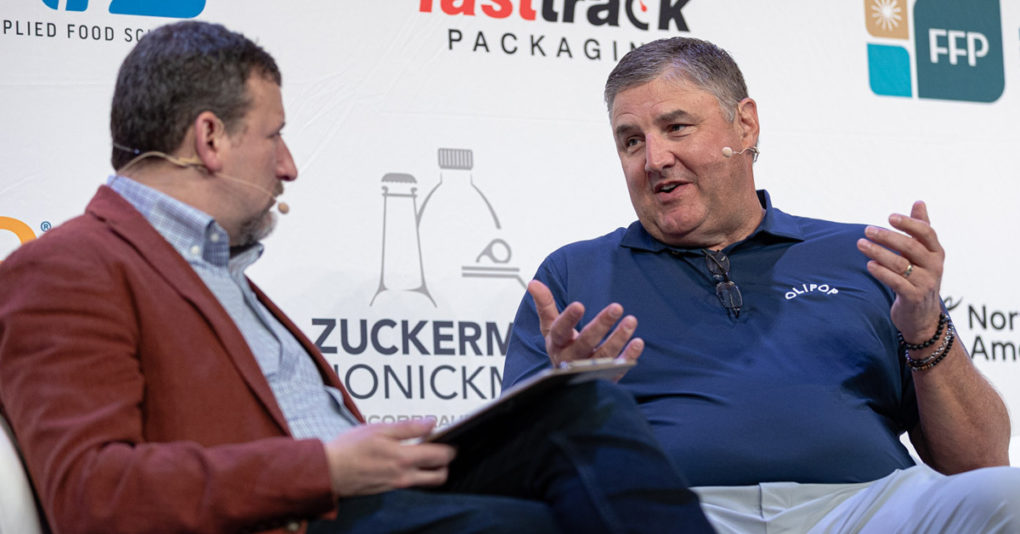
With decades of CPG experience at Clorox and Coke, Mel Landis has a lot of experience in building brands of all sizes. Currently serving as president of functional soda brand Olipop, the seasoned executive shared some insights into working on brands of all sizes and the shifting priorities that come with different stages of growth.
Landis, who recently served as a strategic advisor to startup lemonade brand Swoon, highlighted the differences between that smaller emerging brand, which is still working to reach a place where it can begin to scale, and the more advanced growth stage of Olipop.
“A lot of what we spent time on [at Swoon] is, really, how do you connect the brand to the consumer? How do you start to build that? And then how do you think about the way to get to that growth stage?” he said. “When you get to a business like Olipop, that did over $400 million last year, now we’re about how do you really start to scale that business to be able to then take advantage of all the opportunities that are in front of you?”
At a nine-digit run rate, Landis said the focus at Olipop is on channel strategy, price pack architecture and further bolstering household penetration.
But more money means more problems, as the saying goes. At a higher level of financial success also comes much higher demands, forcing the organization to meet new expectations.
“You wake up one day and you’re a $400 million business, and all of a sudden the customer’s expectations of what you bring to them change dramatically,” he said. “You’ve really got to start to build different skill sets in your selling organization, so they have high expectations around the kind of analytics you’re going to bring.”
“The way you go to market, and the kind of capabilities you bring, all the expectations for customers get bigger, and so part of what we’re starting to bring is all those pieces,” he added. “So we want to now show up to a customer with a full suite of capabilities that now match the size of the brand.”
Polar’s Investment Thesis
Speaking of higher standards, getting onto Polar Beverage’s fleet of delivery trucks has a high, high bar to clear, but once you’re on them you’re officially playing in the big league of independents.
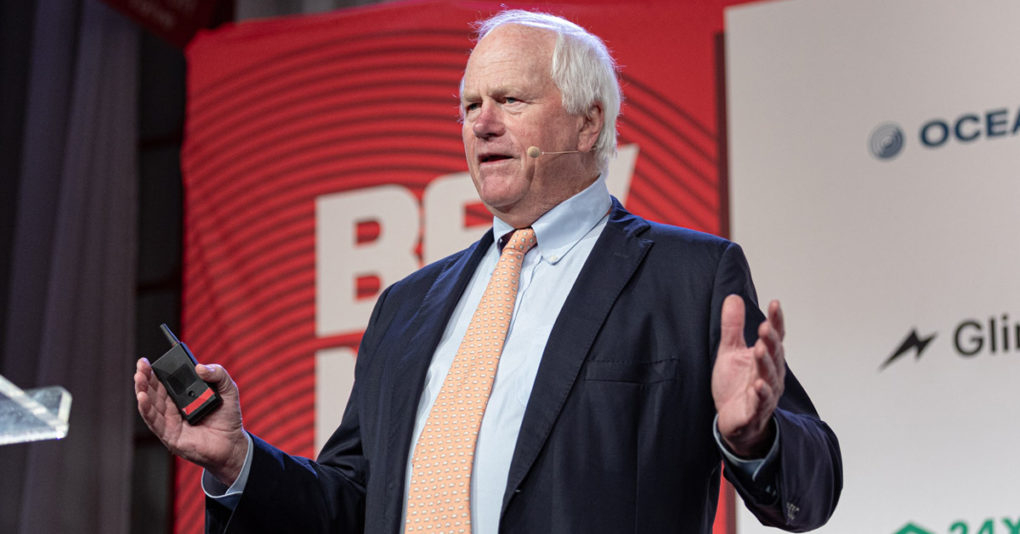
Sitting down with BevNET editor-in-chief Jeff Klineman, Polar Beverages president and CEO Ralph Crowley Jr. said he still sees early stage, emerging beverage brands as a key source of innovation and inspiration for the industry, but at Polar’s level the company aims to work with seasoned entrepreneurs who have “already made the mistakes.”
That was the reasoning behind almost immediately accepting water brand VOSS and entrepreneur Seth Goldman’s Just Ice Tea onto its trucks (despite repeatedly turning down his first big brand, Honest Tea, during its rise to prominence).
Still, that’s not to say he isn’t sympathetic to young entrepreneurs.
“It’s impossible to avoid [mistakes],” Crowley said. “You trip, you reformulate, you repackage and you’ve got to be the entrepreneur and keep moving on these things. There’s inevitably going to be mistakes. but you’ve got to be well capitalized, enthusiastic, get out there, get your brands in front of retailers.”
Polar also invests in distribution partners, with about 10 to 15 investments going at a time, he said.
“We’re excited about relaunching something that people are familiar with,” he said, noting another established brand now in the company’s portfolio is flavored water brand Hint.
While Polar maintains a friendly relationship with the strategics, he also told entrepreneurs that they don’t need to rely on selling to them as a marker of success in the beverage industry. Staying independent – as Polar has done for 143 years – can be just as, if not more, satisfying.
“The measure of success isn’t being acquired, it’s having a company that can last,” he said.
Other sessions from Day Two of BevNET Live:
- Ghost founder Dan Lourenco, Starshot Ventures managing principal Kurt Seidensticker, Humble Growth managing partner Nick Giannuzzi and consultant Lou Prignano walked through the current state of M&A among the strategics, touching on the challenge of getting a major buyer interested in your brand and what it takes to close the deal.
- Chobani Chief Customer Officer John Frost discussed how the yogurt producer has embraced beverage and has remained disruptive as it has grown to become a significant U.S. coffee and creamer producer in addition to its core business.
- Liquid Death is the epitome of branding-driven business. Chief Strategy Officer Marisa Bertha dug into the strategic approach behind the screaming guitars and battle axes.
Missed A Session? Watch All The Presentations Here