

 Spirits-based ready-to-drink (RTD) is one of the more fragmented segments in bev-alc, but independent brands with discipline and an eye for the right occasion can still break through, according to Gustavo Aguirre, vice president of brand innovation at private equity firm InvestBev.
That theory will be put to the test as InvestBev’s Accelerator welcomes 18 brands into its fall 2025 cohort, counting innovations across canned cocktails, wine, spirits, adult non-alc and THC. The makeup of the cohort provides a microcosm of an adult-beverage industry in flux – and gives us insight into how the firm is betting on each category’s future winners.
Led by industry veteran Brian Rosen, InvestBev was founded in 2015 with a focus on adult-beverage brands, raw distillate, beverage technology and cannabis. Its spirit portfolio includes categories with more barriers to entry such as brown or agave spirits. Lately the firm has expanded beyond spirits, backing Lucky Energy, dry drinks curator Sechey and JuneShine.
Twice a year, InvestBev’s accelerator provides select adult beverage founders with a three-month program of education, mentoring, and resources from experienced alcohol industry leaders.
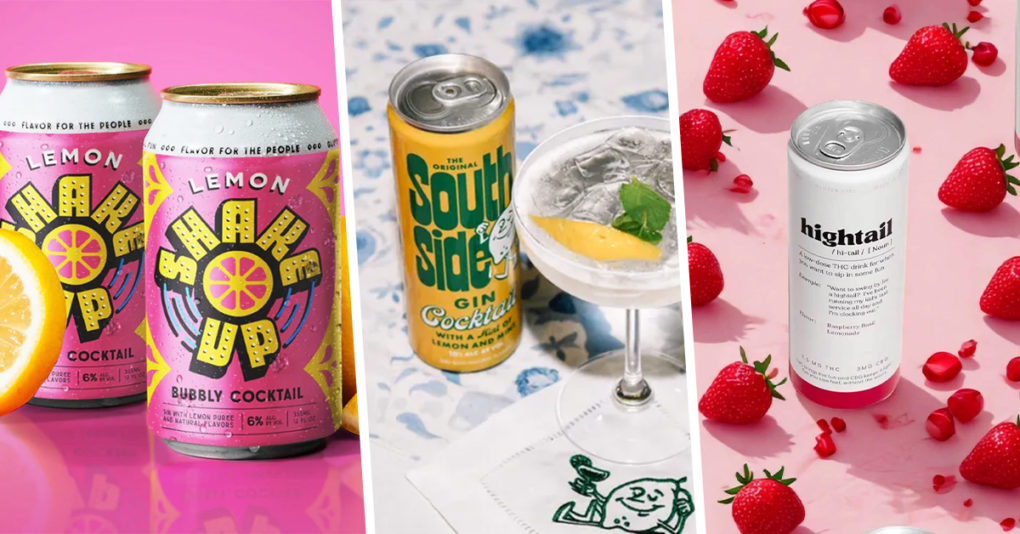
In this season’s cohort, six of the 18 brands are spirits or wine-based RTDs. Those include low-ABV wine spritzer Birdy; Montana-based Bozeman Spirits’ Easy Times elixirs; the first craft rum and cola line, Brad’s Blends Rum & Cola; brightly colored and citrus-flavored Shake Up; iced tea and spirits Snazzy; and gin-based single-SKU Southside. Several of those brands fit squarely into trends already in full swing, such as hard tea and low-ABV drinks.
The RTDs in the cohort align with trends in the market based on “drinking occasion,” according to Aguirre, which is one of the areas that the firm considers the most when selecting brands.
“During the founder’s interviewing process, we reconcile their business ambition with what they consider is a consumer drinking occasion that they can potentially own. Based on my years of experience in launching new beverage brands, incorporating drinking occasion is one of the strategic pillars to guide any go to market plan looking to breakthrough,” Aguirre said.
But it’s hard to imagine an occasion that hasn’t been captured by the thousands of RTDs in the market (3,098 spirits-based UPCs alone in the latest 52 weeks). So how can one of these brands break through?
“Consistency and discipline,” Aguirre said. “Brands need to have a plan that goes beyond the expected – the times of just doing liquid to lips to drive consumer and customer adoption are over.”
Beyond RTDs: Rum, THC and Culture
As tequila continues to outshine other spirits, it comes as no surprise that three agave spirit brands made it into the cohort. But there’s another spirits category Aguirre is bullish on as well.
Joining Brad’s Blends in the rum contingent is American Cane, a rum startup that features the unique flavor profiles of the continental U.S.
“Rum is a category that is prime for innovation based on growing consumer demand,” Agruirre said.
Yet the brands in the cohort are taking unique approaches to the category. Brad’s Blends is looking to highlight the uniqueness of its product combination, incorporating signature cola, aged rum and spices, while American Cane is aiming to capitalize on a relatively new American rum category.
Bev-alc alternatives are in the minority; there’s just canned coffee Turkish Coffee Lady and THC-infused brand Hightail. That’s more of a reflection of InvestBev’s reputation as a firm with a focus on bev-alc impacting the amount of adult non-alc (ANA) and THC applicants, Aguirre added. Hightail fits into a similar niche as Cann, a primarily low-dose THC beverage brand already in the InvestBev portfolio.
“What will be interesting is to determine product interaction (who will steal share from who) between low-dose THC drinks and low-ABV options,” Aguirre said. “[The] market will tell.”
There are other themes throughout the cohort, but the largest throughline may be culture. Several of the brands have distinct positions in their market – Moor’s Brewing Company and Lia Rae Channel Wines pay homage to African ancestry and 291 Colorado Whisky aims to capture the “American West.”
“Brands that are ‘culture forward’ and effectively deliver consumer relevancy have a strong likelihood for success,” Agruirre said. “I had the opportunity to lead multicultural initiatives when I was at Molson Coors, so I understand the power of capitalizing on different consumer segments when done right.”