

The Zero Proof Playbook is BevNET’s exclusive interview series with the pioneers and experts who are shaping adult non-alc (ANA) spaces – uncovering the trends and on-the-ground data driving it forward.
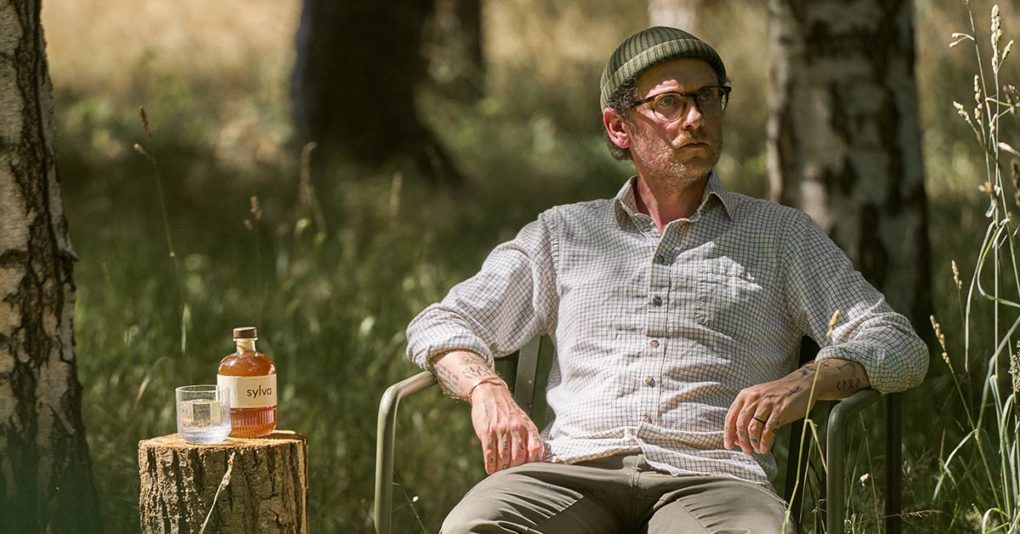
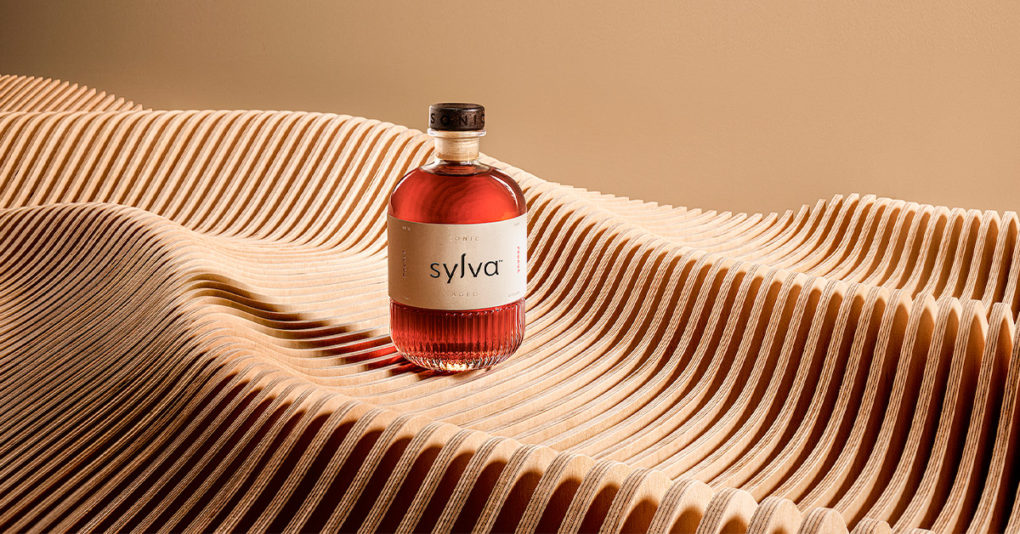
Ben Branson is widely credited with pioneering the non-alcoholic spirits industry when in 2015 he launched Seedlip – the world’s first distilled non-alc spirit. Since selling a stake in Seedlip to Diageo, Branson has continued on his path to change the way the world drinks with seasn, a pair of cocktail bitters, and Sylva, a U.K. distillery and maturation lab producing aged spirits from trees, with a second distillery slated for the U.S.
We chatted with Branson about his checklist for innovation, what consumers want from alcohol alternatives, and the biggest questions facing the future of adult non-alc – and how we socialize. Answers have been lightly edited for clarity and length.
What have been some of the early learnings since launching Sylva?
How long have you got?! We have learned some really important things. There is so much we don’t yet know about trees and taste, and ultimately the challenge has been to both create a whole production process and also work with a material (wood) that is so unknown in terms of biochemistry, taste and stability. But we’ve now tasted over 250 tree species and can confirm they are full of aromatic, flavour and colour compounds. There is a third unexplored flavour dimension beyond alcohol and American White Oak and smoking woods, and that is very exciting. We’ve also learned that people love trees: Their cultural fabric as a platform for sales and marketing is fascinating and liberating.
We have learned that the need, opportunity and occasion for a non-alc liquid that can be consumed neat over ice is tangible, and Sylva can lead it. Our first two releases sold out, our third we are already making batch two, and all our customers have placed repeat orders plus our direct-to-consumer repeat order is way above average.
As you think about projects in the ANA space, what’s the checklist you are taking yourself through to determine if you should launch something?
In general we are looking at two core things before we work through the how, what, who and when. Why are we doing it? Is it delicious?
What do you think consumers are looking for from their experiences with ANA? What makes a good ANA brand?
Ultimately I think consumers want choice, to feel included, and an accurate mirror held up that validates their decision to change or moderate what they drink. Then it is about a high-quality product with a distinct brand, that stands for something and can balance a sense of familiarity and freedom with both style and substance.
I would argue the majority of our category is made up of products, not brands and there are too many companies with big ranges trying to make everything across multiple alcohol categories and in multiple formats. This tells me there is a supply chain for the category that wasn’t previously there but it doesn’t actually help the consumer when curation and choice spill into saturation and confusion.
Would love to hear more from you about language when branding and marketing ANA products – how are you striking the balance between familiarity and conveying that this is something new or exciting?
Ten years ago my conversations with customers or consumers were 90% education on the need and the opportunity for high-quality, non-alc options rather than Seedlip-led. This has now encouragingly begun to flip. We have much more understanding of the need, the category, price points, channels and the ecosystem of the space. This frees space to share your brand, your liquids, your story – which is a brilliant thing we should embrace so we can further move away from just “why?” to “why yours?”
The key question is, how important going forwards is the product ABV claim? How much should the proof and ABV dominate the conversation versus the quality of the product, the taste, the occasion. Most consumers don’t know or maybe care about all the intricacies of ABV across beers, wines and spirits – surely they choose categories and styles based on how they feel and the occasion.
I worry for the companies out there who have wrapped their whole name, identity and business around being 0% ABV. The danger is we are always seen as less than or a compromise or defined by what we don’t have, which isn’t desirable or aspirational. I definitely don’t have all the answers, but I do know that when talking about Seedlip, or Seasn or Sylva, the fact they are non-alcoholic is just a piece of information like the fact they’re all vegan and sugar free.
What are the biggest blockers to ANA growth?
First, viewing this as a short term sprint. It isn’t. This category and the shift in the way people drink is a long road. I started working on Seedlip in 2013 and while so much has changed and this category has exploded, alcohol has been around for hundreds of years. So, we need brands and businesses in this space that are not here for the quick win.
Second, poor first experience. When you have a category that has such a varied mix of quality with thousands of new products in it set against increasing consumer appetite to sample, the chances of people having a poor first experience increases. Third, being a “we can so we should” category. Launching too many products too quickly across too many styles with too many messages or recipes or occasions or colors for the consumer. We need to be selective and distinctive with quality products and stand-out brands.
How do you see the ANA category developing in five years?
This year has felt different to all of the other 11 years I’ve been working in this space. Not just because we launched Sylva and I am back at the beginning, but because the alcohol landscape has shifted quite dramatically at a fiscal level. This is not simply because there is choice now, but if you play out the trends, there are some big structural implications. In the UK for example, nightclubs are predicted to not exist in five years time and eight pubs are closing every week here. The way we socialize has changed and with that what we drink.
Our options when we don’t want alcohol have improved dramatically in the last decade and this will continue. Yes, there will be more functional brands entering this space. Yes, the quality of non-alc beers, wine, and spirit options will improve. Yes, I think at a distribution level we will see more portfolio offers, dedicated units within big alcohol distributors and yes, we will see the strategic and innovation work at the big alcohol companies begin to materialize in the market.
In short, the next five years are about some rationalization and improvement in non-alc, and some growing up in terms of establishing brands and consumer understanding. The real work begins now to not let this opportunity down. The biggest question is not the future of non-alc, it is what is the future of socializing? A fascinating story to be a part of.