Search across the BevNET CPG Media network including BevNET, Nosh, Brewbound, Taste Radio, Nombase and CPG Jobs.

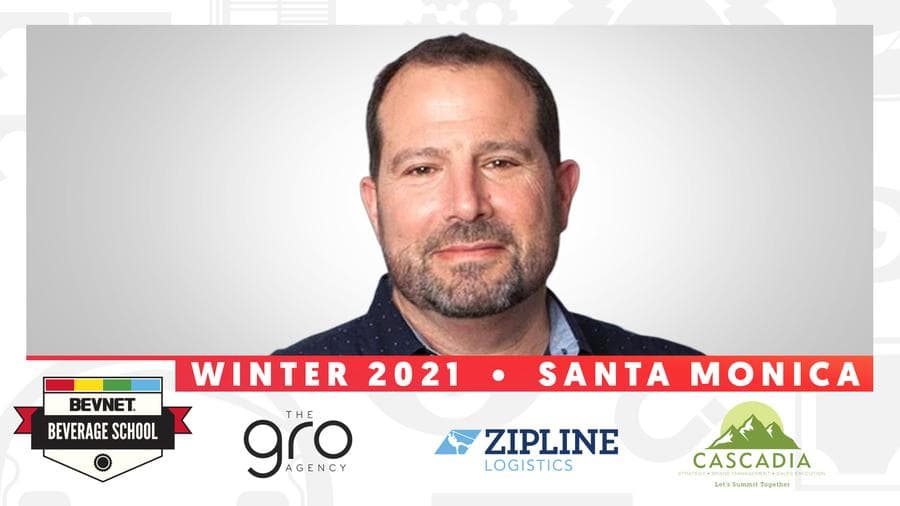
Beverage School Winter 2021: Beverage Packaging Decisions Michael Zuckerman, President, Zuckerman Honickman
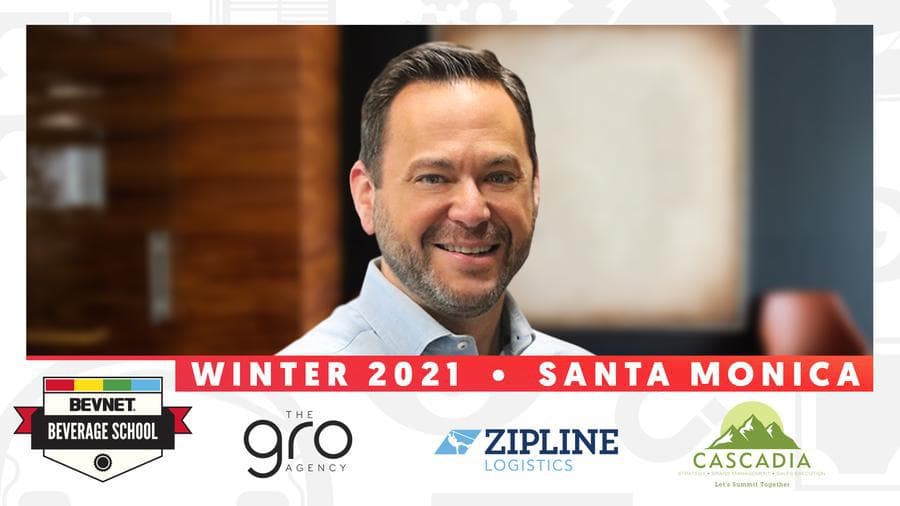
Michael Zuckerman is the President of Zuckerman Honickman Inc ("ZH"), a privately held packaging company founded in the early 1900’s, which provides beverage clients with turnkey solutions for their procurement and packaging needs. ZH is one of the largest suppliers of Cans, Plastic and glass bottles to the beverage industry in North America and provides its' customers with high-quality, low cost, customized, packaging solutions. With sustainability always in mind, ZH has recently been focused on other alternative packaging solution, which has lead the company to partner with some of the leaders in the biodegradable space. Under Michael’s leadership, ZH has continued to strengthen its reputation for excellence, best of breed customer service, superior buying power, and industry knowledge. ZH enables beverage brands to capitalize on economies of scale associated with their can, glass and plastic purchases. Michael’s passion for the beverage industry has been an integral part in the companies tireless focus on beverage product development. ZH has been instrumental in helping many regional companies grow into national brand names, including but not limited to: Snapple, Honest Tea, Glaceau, Fuze Bai Brands, Body Armor, Spindrift, and many more.
Transcript
Note: Transcripts are automatically generated and may contain inaccuracies and spelling errors.
Speaker 1 [00:03] Tell us about Zuckerman Honickman.
Speaker 2 [00:07] We are a full-service packaging distribution company that focuses strictly on beverage. So to simply put it, we sell, um, we buy and resell both glass and plastic bottles, aluminum cans, and sustainable products to the beverage space.
Speaker 1 [00:24] So you're pretty much an expert on every kind of package that would carry a liquid.
Speaker 2 [00:33] I would, um, that's a very kind word. Um, yes, I would say that we have knowledge on packaging as it relates to the beverage space, without question.
Speaker 1 [00:43] OK. Um, so, the, the purpose of this interview is to sort of walk people through the kind of, uh, decision tree they have to make if they're beverage entrepreneurs who are thinking about Uh, their package type. So, let me ask you, what are the kinds of initial factors a brand owner needs to take in account. Regarding their bottle or can or tetra box as they start their company.
Speaker 2 [01:25] So the number one, the most important item, um, in order to answer your question is the process, meaning, How does the product need to be filled? Is it aseptically filled? It is aseptically filled in PET or tetra. Um, Is it hot-filled? Does the product have to be filled at 185 degrees? Uh, going into the bottle. And so That determination is made with, with your flavor house, um, and your CPAC system. In my opinion, Jeff, that's the number one determining factor, right? What can you use? Cause it's gonna be dictated. For example, if you're a hot-fill product, you are using glass, or you're using a hot-filled PET, right? If you're cold-filled, you have more design flexibility. You can use a, um, cold-filled PET. You can use an aseptically-filled PET similar to what Bybrands, um, has, for example. So I would first say process. Secondarily, um, there are tremendous concerns today with sustainability. How is my package affecting the environment? Um, certainly, there's been a, a stigma as it relates to plastic. Um, But then again, there, there are many other areas to look at, such as recyclability, such as fuel, transporting containers to the co-packers. So, I guess what I would say is process and then the sustainable message that they would like to present.
Speaker 1 [02:59] Can you walk us through each of the fill processes quickly?
Speaker 2 [03:04] So, I can. Um, cold fill and I can as it relates to design, right? So, for example, cold fill and aseptic. Um, the product is going into the bottle at an ambient temperature. And you can really design your package however you would like. Meaning, um, you have limitations on PET. You can't have sharp ninety-degree angles. But You have the flexibility to develop a package as you see fit. The process is really not going to dictate that package look for you. You're gonna have issues at the, the co-packer, um, in terms of change parts if it's a very unique design, but other than that, you have the flexibility. If you look at the hot-fill process, that's a process where the liquid is going into the package at 185+ degrees. That bottle, if it's a plastic bottle, has to be able to retain its shape. And therefore, you see products with heat panels like a Gatorade-style container. You see other plastic bottles, uh, that don't have heat panels that are noticeable to the consumer, but that have heat panels on the, um, bottom of the bottle. An example of that would be body armor. Um, and those are really the, you know, I, I, I touched on Coltville, which is kind of would, um, Encompass aseptic from a packaging design perspective. And I'm giving you the, I'm giving you the, the lay of the land there.
Speaker 1 [04:37] OK. And what are the trade-offs in terms of flavor or preservatives in those spaces, in cold fill, and hot fill, in aseptic.
Speaker 2 [04:52] So hot fill enables you to Have a preservative-free product. Cold-filled is not because you're not heating the product up enough to kill all the organisms, so you do have to put a preservative in there. There are other preservatives out in the marketplace today, such as all-natural, uh, preservatives that are available to the marketplace. But in terms of, um, hotfi really gives you the flexibility of not using a preservative, of making it an all-natural preservative-free product.
Speaker 1 [05:27] What are some of the big mistakes that you've seen entrepreneurs make? When they're choosing their container types.
Speaker 2 [05:37] So we've seen Entrepreneurs. Pull the trigger very fast so they can get their product to market without really understanding what it is that they're looking for. And again, I cite an example of a phenomenal brand, OK? Um, In buy brands. They first started when they were in an aseptic hot-fill package. And um ended up matriculating to an aseptic package down the road. They felt that their product tasted better in aseptic. They felt that they had the design flexibility and freedom to launch a bottle that they thought was appealing to the consumer. Um, but there's an example of someone who went to market and ended up pivoting down the road. Right? Now, that pivot, Jeff, is not just a change. There are new, uh, size trays, there are new caps, there's new shrink wrap, right? It really pivots the operational aspect of your business and changes it. And there are very costly mistakes made in that, in that process. If a company is already mature and in the marketplace, it's a much more difficult pivot. Um, and I don't know that a mature brand would really answer the entrepreneurial aspect of your question, but you can look at a brand like Snapple, right, who was established in glass, then went to plastic. Now, it's going to another version of plastic. Um, And again, it's, it's tremendously costly at the mature level. It is tremendously costly at the startup entrepreneurial level just because money is so important at that point. What,
Speaker 1 [07:20] what are some of the things that entrepreneurs need to think about beyond just what the process type is with regard to the packaging choice?
Speaker 2 [07:31] Well, I would say an area that I do not have a lot of experience in, but that's really understanding the consumer, right? What is the brand, who are they marketing to? What is that consumer looking for? So, for example, for an all-natural health-based product, it's, it's certainly my opinion that that consumer is going to gravitate towards a more sustainable package. Um, And again, I'm certainly no expert in the marketing sales side of things.
Speaker 1 [08:01] What would you consider a more sustainable package?
Speaker 2 [08:06] So you're talking with someone who sells all three packaging verticals, plastic, glass, and aluminum. In addition, we have a sustainable vertical that we sell that we haven't spoken about, um, in today's discussion. What I would say is, Jeff, we respect and sell and like all the packages that I mentioned, and I certainly wouldn't alienate uh one. Vertical over the next, but what I will say is, It's my opinion, you can make the argument for any one of those materials, how they are better for and worse for the environment over the next one. And I think, look, plastic has, uh, gotten a lot of attention recently. But, um, you know, you can make the argument on the fuel that it takes to ship heavier products such as glass. So, again, there's an argument that can be made across, across the board.
Speaker 1 [09:02] OK. Uh, walk us through the advantages and disadvantages of each type of packing material.
Speaker 2 [09:11] Well Look, plastic, in my humble opinion, is one of the best polymers in the marketplace today. Um, I think it is durable. I think it answers a lot of um today's problem areas, but the negative is sustainability. Um, or perceived sustainability. Um, the disadvantages also in today's environment, and you're gonna hear me repeat this, OK, over the three verticals that we're talking about, um, the, one of the major disadvantages is supply, right? We are in an oversold market. We have, um, seen some of the big resin manufacturers, um, limit their capacity, and it is a very tough industry to be in right now. Um, Aluminum, I would, aluminum and glass, I would reiterate both on the um supply side as being disadvantages. On the aluminum side of things, it's gonna be no secret to the people watching this and, and you, you know, the people who are involved with Bevnet, there's a tremendous aluminum or tremendous can shortage now. It's based on supply, um, You know, tremendous, um, Need for cans. We've seen a stigma such as beer, right? Uh, we've seen very good high-end beers go into cans. We've seen a lot of pre-mixed, um, alcoholic-based drinks go into cans. So, on the supply side, and the same in, in glass, right? Tremendous demand, not enough supply. Um, on the positives of, I'll start with aluminum and then go into, into glass. Um, You know, you're dealing with a product that the consumers believe is very sustainable. It is certainly the most widely accepted recycled product in the marketplace today. Um, and aluminum is really, really growing, uh, with consumer demand. Glass, um, we believe glass will always have a place in the industry, specifically as it relates to the liquor side of things in our beverage space. Um, and we do believe that glass also is still tremendously appealing to the consumer with super, super high-end type products. Um, Furthermore, um, light degradation, etc.
Speaker 1 [11:44] Are there any downsides to glass?
Speaker 2 [11:49] I would say, um, The downside I'm gonna mention is consistent both at the filler and the retailer, and that's breakage. Um, in addition to supply that we mentioned, right? Breakage is an issue at the, at the filler, cause when a glass bottle breaks, as you can imagine, it creates a ripple effect, right? They have to shut the lines down, clean them, sanitize them, etc. But also breakage at the retailer. So, Costco, Walmart, etc. Um, and their multi-serve packages, we've seen a push for plastic in that market strictly due to breakage.
Speaker 1 [12:28] Who pays for broken products?
Speaker 2 [12:32] I wish I could give you a consistent answer. I can tell you, when I am selling glass bottles at the filler and there's breakages, it becomes a bottle supplier responsibility. At the retail level, I simply don't know.
Speaker 1 [12:46] How are the supply issues that you've mentioned affecting cost structure for entrepreneurs?
Speaker 2 [12:54] I don't believe that. Look, with the exception of your raw materials that are monitored, we monitor these with an index, OK? They're not just arbitrary market increases. They're tied directly to indexes. Our goal for our clients has been to keep the baseline consistent. So there's no higher price due to market circumstances, OK? Or I should say there's no higher margin for the supply chain. The price increases and decreases based on the market index. Um, PET, the index we follow is Chemdata. We follow a few indexes for both aluminum and glass, Jeff, that I would, I would need my purchasing team to elaborate on.
Speaker 1 [13:41] How are container supply shortages affecting entrepreneurs right now?
Speaker 2 [13:48] I would say it is extremely difficult uh to navigate the marketplace right now for entrepreneurs, um, in terms of package, um. Supply. And when I say that to you, the, the worst thing that can happen is, these entrepreneurs launch their product. Get it in the marketplace and can't continue to supply. So out of stocks, or a lack of commitments to their retailers, and it is an issue. What we've tried to do, um, In order to combat that because we are on allocation, right? On all of our different verticals that we're supplying is, um, we try and work closely with the customer to understand what are their immediate needs, their urgent needs, right? Not what they're gonna put in the warehouse and ship, you know, filled goods, um. When they're required, but what are the minimum requirements necessary. And we try and share that pot of, of, uh, packaging, you know, for the vast, uh, majority of our clients. So we're, I, I guess I would say is we're asking everyone to take a little less in order to supply the vast majority.
Speaker 1 [15:00] Michael, you haven't mentioned TetraPak yet. What are, what are the upsides and downsides of that packaging medium as you understand them?
Speaker 2 [15:12] Look, I can tell you with Tetra, I think that they've done a great job at branding themselves in certain market segments. So for an example, if you were a protein drink or you were a coconut water, I think there would be an advantage in coming to the marketplace in a tetra-style package, consumer acceptance already. Um I think the negatives are the fact that we've seen people want to be able to see what they're drinking. If not in the full bottle, on the bottom of the bottle or on the top, um, And we've also, this, what, what I said was a positive, I'm also gonna say is a negative. I believe that Tetra is branded in specific market segments. So, do I think an iced tea product would be easily recognized in a Tetra package? I don't. Um, so I'd say that my answer is both a positive and a negative as it relates.
Speaker 1 [16:07] One thing that we've seen over the years is entrepreneurs coming in with ideas or even models. Uh, really cool proprietary bottles or cans for their products. What are the advantages or disadvantages to a custom or unconventional beverage package?
Speaker 2 [16:32] Look, I believe that proprietary packaging is the way to differentiate yourself in the market. I do. Um, it's also the most costly and most difficult way to launch a brand. And when I say that is, um, With proprietary packaging comes mold costs, comes minimum production runs, which in many instances, far out kicking entrepreneurials need. Entrepreneur and entrepreneurs need. Um, And most importantly, Jeff, most of these brands are co-packed. So they're paying someone to put their product in their package, fill it, shrink wrap it, etc. By you coming out, by an entrepreneur coming out with a a package that's so unique, they're generally going to have to invest in the CPAC system. And what that means is, um, invest in, in, um, line and change parts in order for the CPacker to run that bottle. So in summary, I would tell you that, um, Line investment in the co-packer. Minimum production and mold costs would be the three hurdles I think that most entrepreneurs need to overcome.
Speaker 1 [17:51] What's the minimum order size for packaging?
Speaker 2 [17:56] So, it varies, um. I can tell you, um, look, on Cannes, we have a very, um, Low minimum order for bright cans specifically. Um, that's much larger, I believe, um, half a truckload to truckload quantities for printed cans. Um, however, what we've done to make it available for the entrepreneur is we have a program that runs from a one to a 20 cavity process. So, We can eliminate some of the minimums, Jeff, but it's a very, very high piece price. So, for example, rather than build a 10 or 6 or 10 cavity, which is very common, that's how many molds are run at one time, we may build a unit cavity or a two-section cavity. But again, the piece price is very, very high.
Speaker 1 [18:51] What do you mean by cavity?
Speaker 2 [18:53] Molds. So, how many bottles, cans, uh, what have you are produced in one single, single cycle.
Speaker 1 [19:02] Am I typically, as an entrepreneur, purchasing my packages from my co-packer or from a package supplier?
Speaker 2 [19:14] I think that it's, it, it depends. Our client base, we have both, um, we sell both to the CPAC system and we sell to the end user, to the brand. And it depends. Some co-packers offer an advantage by supplying packaging and some, frankly, at a disadvantage. It all depends on how they're buying. Are they buying in bulk? Are they buying one package and sharing that with a bunch of different, um, different brands, different clients of theirs. So, from our perspective, we sell to, to both segments.
Speaker 1 [19:49] How are environmental ramifications affecting packaging decisions?
Speaker 2 [19:56] I would say it's a major factor in choosing your package today. Um, You know, Jeff, I have 3 boys. I, I have, my youngest is 7, right? And I think I mentioned this to you the other day. But he came home from school and they're, they're learning right now about plastic bottles and how that affects the environment. Um, and if they're teaching it and educating children at that level, it's, it's out there. It's, it's paramount, um, in the decision-making process.
Speaker 1 [20:29] How does it affect a brand's cost structure?
Speaker 2 [20:32] So, let's take plastic as an example, OK? And we're working with bioadditives, some, some really what we consider to be game-changing, sustainable platforms for plastic. But right now, one of the um One of the, not easiest, um, one of the most widely accepted sustainable programs for plastic is adding in a high percentage of recycled PET, right? PET that's already gone through the recycled process, it's being reused. That plastic comes at a major premium. So you're looking right now at a 10 to 15% premium going into recycled PET. How much of that you use in your package also dictates. So for example, you can use 25% recycled PET, you can use 50% or 100%, right? And each of that increased percentage comes with increased costs. Um, we are also, Jeff, working on verticals that Don't necessarily add a cost. Different materials, right? You know, I mean, we've been very upfront with the Bevnet community. We're working on uh materials that are pulp-based, based on, uh, bamboo and bagasse. Those products decrease the pricing. But again, we're, we're in the infancy, um, of that program.
Speaker 1 [21:58] OK. What are some of the more significant developments in the packaging space that entrepreneurs should be keeping their eyes on, both in the short term, Next year or two, and in the long term, next decade, next 20 years.
Speaker 2 [22:16] Look, the short term, and we've spoken about, right, for the, since the, uh, the beginning of this discussion is sustainability. Um, Without question, you're going to see a lot of new items hit the marketplace, um, and some will be accepted, some won't. I think longer term, Jeff, you're looking really at design and sizes. Um, you know, you can look at our, our packaging industry in North America as compared to the rest of the world. And, um, in terms of design flexibility, resealability, um, I think you have a lot more options overseas and I think that's the longer-term outlook, more on design flexibility and freedom.
Speaker 1 [23:00] Finally, if I'm an entrepreneur, What are the core questions I need to ask myself as I think about my beverage package?
Speaker 2 [23:15] Look, we've touched on process. We've touched on sustainability. We've touched on, which is a big one, supply continuity. And if I were launching a brand in today's market right now, that would be my number one concern. How am I going to stay and be guaranteed my packaging is available for me when I need it? Um I don't know that that will be the case 6 months down the road, 1 year down the road from now, but if I were launching today, that would be my number one concern, regardless of the packaging substrate.
Speaker 1 [23:56] Michael, thank you for joining us, and we'll see you on June 8th for our roundtables.
Speaker 2 [24:04] Thank you, Jeff.