Search across the BevNET CPG Media network including BevNET, Nosh, Brewbound, Taste Radio, Nombase and CPG Jobs.

Recess (R)evolution. How This Pivot Helped Build A Relaxation Empire.
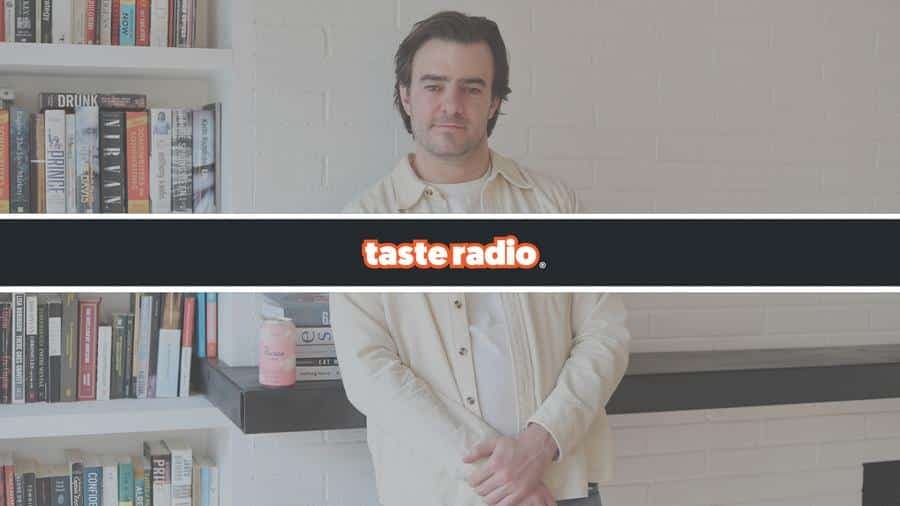
CBD was the fuel for Recess’ hot start, but when the beverage industry cooled on the cannabinoid — the result of a challenging regulatory environment — the company turned to another trendy ingredient: magnesium.
In 2021, Recess introduced Recess Mood, a new line of sparkling waters infused with magnesium and adaptogens and marketed as modern relaxation beverages. Leading with the tagline of “calm, cool, collected,” the products have become the primary driver of sales of the brand and represent the vision that founder and CEO Ben Witte says he always had for Recess: a platform of beverages intended to help people relax. The company later added Mood powders to the mix, and in 2022 launched a line of zero-proof mocktails that Ben describes as a natural extension of the brand.
Recess has emerged from the pivot as a prime-time player that is sold in over 18,000 stores nationally and is one of the best-selling beverage brands on Amazon. It is mentioned and merchandised alongside the likes of high-profile drinks like Olipop, Poppi and Liquid Death.
In this episode, Ben talks about how he navigated a shift toward a product mix that realizes his vision of a relaxation beverage platform, how Recess built a thriving online business, how the company utilizes consumer feedback to support its sales and marketing efforts and why it is preparing for a major expansion in brick-and-mortar retail.
Show notes:
Taste Radio editor Ray Latif recalls his first interview with Ben and the hype around Recess’ launch in 2019, before the entrepreneur talks about his reasoning for developing a brand focused on relaxation and how the timing of Recess’ launch benefited the brand. He also discusses the strategy of building a digitally native omni channel brand, how a quote from Amazon founder Jeff Bezos helped him realize the importance of patience, and how he identified magnesium as an anchor ingredient for Recess. Ben also explains how the rise of non-alcoholic beer has helped the development of Recess’ zero-proof cocktails, how consumers’ interactions with consumers has evolved and the brand’s communication has changed and how brick-and-mortar success is tied to online advertising.
Brands in this episode: Recess, Olipop, Poppi, Liquid Death, White Claw, Athletic Brewing, High Noon, Cutwater, Topo Chico, Kin, Ghia
Transcript
Note: Transcripts are automatically generated and may contain inaccuracies and spelling errors.
Speaker 1 [00:04] Hey folks, it's Ray with Taste Radio. Right now I'm honored to be sitting down with Ben Witty, the founder and CEO of Recess. Ben, great to see you.
Speaker 2 [00:13] Great to see you too. Excited for our conversation.
Speaker 1 [00:15] Yeah, absolutely. I should say great to see you again. We chatted last week and prior to that, we've chatted a few times. The first time we spoke was in 2019 for an episode of Taste Radio. Uh, recess was 3.5 months into its debut, I think at that point, and we caught up in New York City at your office. You're based in LA now though.
Speaker 2 [00:37] Yep, that's right. It was a COVID move that, uh, lasted longer than, uh, expected.
Speaker 1 [00:42] Well, it's appropriate for your brand. LA is pretty chill. Recess is all about chill.
Speaker 2 [00:48] Exactly,
Speaker 1 [00:49] yeah, you know, I, I look back to that time in 2019. This was about 5.5 years ago, and, uh, I recall. There was just so much hype about the brand at the time. It was, it was one of the first times people had seen a CBD infused or a hemp infused beverage and recess was considered the anchor of that emerging set. In fact, at the time, people were calling the brand the LaCroix of CBD, and it was a bit of a misnomer though, because the whole concept. The idea behind recess was not specifically about CBD. Let's, let's go back in time for a second and talk about the origins of the brand and, and how you envisioned it as a beverage company.
Speaker 2 [01:37] Yeah, so, um, you know, first, my background, um, you know, I didn't come from CPG. I spent the 1st 6 years of my career in Silicon Valley in the early stage kind of tech startup world, um, kind of got hooked on entrepreneurship and, you know, I knew I wanted to start my own company, but also recognized kind of my passions and strengths were better suited, you know, for the consumer space. I've always been, you know, more of a creative at heart. Um. And so I kind of went out on my own in around 2016 to kind of explore different ideas, and that's when it started to feel to me like we were entering this new period in history driven by technology, and it was leaving everyone stressed out and anxious, you know, Trump had just been elected, which I kind of viewed as the ultimate expression of anxiety. And so I just had this, you know, this high level thesis that, you know, in the future that we were entering, you know, people would be prioritizing their mental wellness and looking for healthier ways to reduce stress and relax, you know, as compared to things like alcohol or even tobacco, you know, or other kind of preexisting kind of unhealthy forms of relaxation. You know, shortly thereafter, I observed the rise of CBD oil, adaptogenic herbs, you know, magnesium, nootropics, even THC, essentially this new class of functional ingredient that was primarily in supplement form, you know, that people were using to reduce stress, to feel calm, and to Relax and kind of the light bulb moment was, you know, Red Bull for relaxation. Basically view these, you know, emerging ingredients as you know, the inputs into this entirely new space of consumer products that would deliver, you know, this value proposition of healthy relaxation. And I think that's an important, um, you know, uh, you know, distinction and insight in the sense that I really never viewed recess or the space, you know, back then as the CBD beverage space. I would always say I've never heard anyone call Red Bull a caffeine company. It's an energy company. They were marketing, you know, the solution and not the ingredient, and, you know, obviously built an entire kind of lifestyle brand to market, you know, the product to. Consumers and so, you know, I took a very expansive view of what was going to emerge here that again I defined as the healthy relaxation product space and that it would be comprised of products across, you know, a number of formats, you know, whether it's RTD beverages, powders, gummies, shots, you know, you name it, that would also be kind of segmented by ingredient type and occasion, you know, whether it's, you know, alcohol. alternatives, you know, stress relief, sleep, to me these are all kind of nuanced propositions within the broader kind of relaxation space. And so I think that kind of view of the space, you know, that was going to emerge, you know, over the years to come, you know, really drove, you know, our strategy, whether it was, you know, the original, you know, product line which included CBD in it, um, you know, but really we leaned into, you know, marketing, you know, the feeling of relaxation and, you know, defining. Feeling, you know, as calm, cool, collected instead of marketing, you know, the ingredients, you know, and then ultimately kind of building, you know, a lifestyle brand world, you know, around the beverage to, you know, connect with consumers. And so I think, you know, that's how I thought about, you know, the original, um, you know, opportunity for what became recess, and I think that view of the broad space that was going to emerge really has driven our strategy over the past kind of 5 years.
Speaker 1 [05:21] Certainly, being the red bowl of relaxation is very different than being the LaCroix of CBD, and I agree with you, it's probably better to be the former than the latter. But to be fair, when Red Bull launched in the United States, I don't think many people had heard of the term energy drink. There were highly caffeinated beverages at the time, but Red Bull, in a sense, launched the category in the United States. Whereas I think relaxation beverages are interesting because there had been relaxation beverages prior to recess. I don't even know if you could call it a category, but there were a handful of products that came out. I mention the word chill. The brand that I think of when I think about relaxation beverages was just chill, which was on the market for a short amount of time.
Speaker 2 [06:05] Yeah, look, I think so much of, you know, business overall and especially, you know, in the CPG space comes down, you know, to the timing, right? And I know Max Baumann well, and he definitely, you know, did, you know, originally, you know, pioneer the concept of a relaxation beverage with just chill, but I believe he launched it in 2009 or 2010, and L-theanine was, you know, the only kind of functional ingredient in there. And so I just don't think back then kind of mental wellness, you know, stress, anxiety were kind of top of mind for consumers. I think you really needed the world to get a little crazier, you know, over the, over the next 6 years for it to be kind of a proposition that consumers would be interested in. Um, in addition to that, I think you also, I think that that original kind of CBD wave in 2019, uh, I think was useful, right, because it kind of established, you know, CBD and then also these other functional ingredients, you know, like L-theanine. Adaptogens as you know, functional ingredients that people were using again for this proposition of stress relief. And so we rode that original kind of CBD wave, you know, in 2019 which kind of, you know, helped establish the brand. But importantly, again, we were not marketing, you know, the ingredient. We were really focused on kind of marketing, you know, the feeling, you know, again that we defined it as calm, cool, collected, and so I think it was a combination of factors, you know, again, I think that 2018, 2019 period was just a better moment in time to really Launch and execute on a relaxation beverage. I think you needed additional ingredients besides just L-theanine to be able to infuse it to deliver that proposition. And then I also think, you know, our approach was the right approach in terms of, you know, the brand of recess, you know, leaning into the idea of taking a recess. Launching but, you know, originally direct to consumer and then, you know, immediately moving into New York City where we first kind of established, you know, the retail business and kind of the up and down the streets, up and down the street accounts there and so I think, look, I think there's just a variety of factors at play that made, you know, when we launched kind of the right time to really establish this category.
Speaker 1 [08:22] I wanna unpack a couple of things you said there. First of all, you never, you said you never really focused on CBD as being the most important part or the, uh, the focus of recess, but a lot of other people did, you know, whether it was the New York Times or People magazine or what have you, everyone always associated one term with the other, CBD with recess. How hard was that to shed, especially when, once you got into 2020, 2021. And got into new categories like, you know, your mood beverages which are enhanced with magnesium or your non-alcoholic cocktails. I mean, do people still associate recess with CBD because of all that hype from the outset?
Speaker 2 [09:05] Like it was one of these things where I feel like the press and, you know, perhaps some distributors perceived us as a CBD beverage, but it was very clear to me that consumers were not, right. I think the most important, one of the most important things when you're building, you know, a consumer brand is to listen to your customers, right? And one of the things we always have is just a tremendous amount of user generated content, you know, in Instagram at the time. And it was just obvious that people were not, you know, talking about recess as a CBD beverage. They were really leaning into the usage occasion of, you know, relaxing at the end of the day or, you know, in the afternoon, and the feeling, you know, that we We delivered right and so I do think there was this disconnect from, you know, how consumers thought about the brand and how it fit into their lives versus how the press thought about us and, you know, perhaps how some, you know, distributors and retailers thought about us. And again, I just, you know, think from first principles here again, if, you know, if, if why wouldn't they have called the energy drink category the caffeine category, you know, I think there's a lot of parallels here. You know, energy drinks also have chlorine, you know, in them too, so they're really combining, you know, different functional ingredients together to deliver that stimulation. Effect just like we combined different functional ingredients to deliver that relaxation effect. And so I, I've always believed that we were somewhat of a misunderstood brand, you know, from the earliest days. And so I think it was, there's more to shake with again the press and distributors than with consumers.
Speaker 1 [10:46] Yeah, and I wanna talk about brand building because, I mean, that was the first thing I noticed when I saw recess was this, it was, this was an amazing brand. Still is obviously an amazing brand, but from your packaging to the vibe, to just the core of what the brand represented felt so novel. And in some ways it felt very specific. It felt like this was for a new type of consumer. It was for that younger type of consumer, the millennial brand, so to speak. It's, it's grown beyond an age demographic, I would say. But you know, talk about the idea of creating something that would resonate with a specific group at the outset and be flexible enough to talk to other folks.
Speaker 2 [11:37] Yeah, I do believe in the importance of, you know, focus, you know, to begin, and I think, look, there's two additional insights, I think unique insights at the time, besides just the, you know, premise of a relaxation drink. You know, back in 2018. Having come from Silicon Valley and kind of the tech world, I was really shocked that no one was talking about both kind of e-commerce as an initial kind of distribution channel and also the opportunity to leverage social media, you know, at the time, just Instagram and Facebook for kind of digital brand building. Right? Um, and so, you know, we launched the company out of my apartment, you know, direct to consumer, and I think we were one of these, the first kind of true digitally native, you know, beverage brands. Um, and we really focused on kind of our Instagram strategy, uh, to begin and created this, you know, pretty compelling, um, you know, brand world, uh, in, in Instagram that, um, clearly, you know, connected with consumers and, you know, got a lot of virality to it. Um, and so that kind of helped kind of put us on the map. Um, and then, you know, we, you know, we moved into New York as our, as our first retail market, and we were really focused, you know, to begin on kind of the creative community, you know, in, in New York. Um, and I, and I do think there's a lot of benefits to going deep, you know, uh. Before you kind of expand, um, and that's what we really did, you know, our, our first year, you know, in New York City, you know, we did a pop-up in New York called Recess IRL, uh, which was quite impactful.
Speaker 1 [13:09] Love that place. I visited and I felt like I was in, I don't know, some sort of magical room, but, well, it was more than just a room, but it was, uh, it was very different than any kind of IRL experience I had, I had seen before.
Speaker 2 [13:24] Yeah, and one of my beliefs is like being unique is very underappreciated in the CPG world, right? I think it's very
Speaker 1 [13:31] hard to, very hard to be, yeah,
Speaker 2 [13:34] yeah, yeah. So I think, um, yeah, being unique is kind of how you break through and kind of how you, you know, ultimately create value. There's a, there's a lot of Me Too brands, and if you're just, you know, putting the, you know, basically, Acting like everyone else, you're just gonna, um, you know, not be able to break through, right? And so we were really focused on, you know, thinking differently, thinking from first principles, you know, being willing to, you know, reject the conventional wisdom, you know, when it made sense. Um, and, um, that's what I think, um, again, to kind of helped put us on the map, you know, that, that this 1st, 12 months.
Speaker 1 [14:10] Digitally native brand. I think of another digitally native brand, and I'm not picking on them, but they haven't done as well as recess. They haven't, they, they, they weren't able to scale in the same way that recess was, and that was Dirty Lemon. Um, you know, what did you do right in, in your mind? What did you do right from a digital perspective that helped you get to a place where you are now, where you're still doing quite well digitally? I mean, I, when we spoke last, I think you said it's over 50% of your business is, is online at this point.
Speaker 2 [14:37] Yeah, look, I think Dirty Lemon thought about themselves as a pure kind of direct to consumer brand when I never viewed ourselves as a direct to consumer brand. I viewed it as a digitally native omni-channel brand, right, where you'd want to kind of establish the brand. Awareness and drive trial, you know, with consumers online before you went offline, right? So I think that the simple kind of distinction of thinking of ourselves as an omni-channel brand, not a direct to consumer brand, was the right approach, right? Obviously beverages. Um, you know, are unique in the sense that, you know, beverages get more distribution than literally any other product on Earth, right? Why is Coca-Cola the biggest brand in the world? Well, it's because it's, you know, always around you, right? And I think that's, you know, beverages that succeed, you know, ultimately, um, you know, get to scale, you know, offline. But I think there are significant benefits to also having a strong kind of e-commerce business as well that I can talk about.
Speaker 1 [15:40] Yeah, I, I want to get to that and how you've been able to create such demand on platforms like Amazon, but I do want to back up for a sec because in 2019 and probably a little bit into 2020, I think the idea, the concept that you had was still a bit of a thesis. Now, you know, proving the concept. Identifying the trends that you could say and point to as, yes, this is proving out my, you know, belief that relaxation can be a big category, can be the next big beverage trend happened after that. How did you go about proving out your thesis in so many ways?
Speaker 2 [16:21] Yeah, um, look, it was obviously a thesis, you know, that I had, you know, before we launched it, um. But to me, like, within, you know, a few weeks, it was pretty clear, you know, that the idea was connecting with consumers, you know, in the way, you know, we intended it to. Um, and again, I just would always, I really believe, looking at your user. Generated content and really tracking how consumers kind of talk about your brand and uh in social media is the most kind of valuable, um, you know, data and set of insights, you know, that, that you can have, right? Um, and so. Again, within, you know, short order, it was just very clear to me that people were drinking recess, you know, to relax and unwind, which was really this kind of fundamentally new kind of value proposition. Back then I would cite, you know, to me I think back then it became, it started to become clear that mental well-being was this kind of health outcome that Consumers were increasingly kind of adjusting their lifestyle around, right? Back then you started to see the rise of things like therapy or mindfulness, which were very like, had gone from very taboo to talk about to very accepted to talk about. And so what I believed is that that, you know, that idea would make its way into the products that we consume. I would also cite, you know, products like Calm magnesium powder, right? Calm magnesium powder was a brand that was owned by Clorox that was, I think at the time, you know, a $100 million a year business, and kind of the insight that drove, you know, recess mood was people were drinking. You know, the original version of recess and calm magnesium powder for the exact same reason to feel calm, and that's what, you know, inspired me to go explore magnesium and also explore powders, right? And so I think it's about, I think connecting dots is, is very important. And you know, that's not, you know, back then that was definitely not showing up in the spins data, right? That was more looking at, you know, these other things that were happening, you know, broadly, you know, in society, right? That kind of, um, you know, that again kind of helped kind of validate, you know, my thesis. You know, one of our taglines is an antidote to modern times, right? The premise that, uh, you know, like I shared at the beginning that we were entering, you know, increasingly stressful times as a result of a rapidly changing world, and people would be looking for, you know, various solutions to help them, you know, reduce stress, you know, and relax, right? And so I was just You know, always deeply believed, you know, in kind of the vision that, you know, me and the team had here, and that, you know, every day that went by we were getting kind of validation of that. And so I think kind of having kind of conviction is very important. And then, you know, one of my favorite lines. Is this Jeff Bezos line. He said, you know, it's important, um, basically, to do anything kind of truly innovative, you have to be willing to be misunderstood for long periods of time. And that's how I kind of feel the recess, you know, story has been to an extent, right? Um, you look at the bed we made on magnesium, you know, in, you know, 2020. Um, you know, no one was talking about magnesium at the time, and to me it was a secret hidden in plain sight, right? Just look at the brand call, right? That's all you had to do, right? Um, and, and so I think it's, you know, identifying kind of unique insights before they're obvious to the market, I think is, you know, fundamentally the job of the entrepreneur, right? Because if it's, you know, obvious, then it's probably already established, and, you know, everyone's doing it, and you're not going to be, you know, unique and, you know, differentiated enough to You know, build something, you know, truly valuable, you know, that said, look, I think there's two different business plans, you know, in CPG. You can either go into an existing category that's established, you know, and try and capture market share, you know, like Prime did, you know, for example, you know, in, you know, the sports drinks space. Um, or you can, you know, and many other examples of that, or you can, you know, lead the development, you know, of a new space or a subcategory within an existing space like Liquid Death did, you know, within water with kind of a unique dimension, you know, in cans to begin, but, you know, ultimately, very much a brand play. So I really encourage, I really believe in the importance of, um, you know, figuring out what is your unique insights that, you know, that you have that's going to ultimately drive your strategy, um, and your brand positioning, um, and, uh, really, really lean into those.
Speaker 1 [21:00] How did the public perceive, how did consumers perceive? You know, a magnesium enhanced beverage or magnesium infused beverage and think about it not just as like, you know, some sort of alm functional product, but as something that they incorporate they could incorporate into their lives, into their daily lives, into their daily lifestyles.
Speaker 2 [21:21] Yeah, I mean, look, what really, you know, I did, I will, taking a step back, I always had the vision that recess would become a brand platform, and I, and I did have a view that I think platform brands, you know, would be a bigger and bigger part of the future. And I use this simple example that, you know, our URL on our Instagram was take a recess, not drink recess, right, because the vision was there would be lots of many forms of recess that we could create over time. And what really accelerated the vision of becoming a platform was, you know, ultimately the, you know, you know, the lack of regulatory clarity on a federal level for CBD, which prevented us from entering the national retailers and Amazon, right? So we had this, you know, I'd say a business challenge, right, in the sense that we had a product. That consumers loved and was working, you know, online and at retail, but we couldn't scale it into the places where, you know, frankly, 95% of the volume comes from, which is the, you know, the big box retailers and Amazon. Um, and so, you know, fortunately, I think I had the right view of the space and thinking of it as the relaxation space and thinking of recess as a relaxation brand, um, and kind of accelerated, uh, again, the, the platform vision, you know, with the launch of Recess Mood, uh, which was fully compliant on a federal level and allowed us to enter, you know, the national retailers. Um, um. You know, with that said, look, it took time, right? Um, you know, we first had to, again, validate, you know, with consumers, you know, that, that they, uh, uh, you know, valued the idea, um, and that we, they delivered, you know, the, you know, same, if not better efficacy. In some ways. I actually think magnesium is, you know, more efficacious, you know, than CBD, um, and then, you know, also have the right positioning, right? Um, you know, even the You know, in retrospect, it was obvious to pivot, you know, beyond CBD, and many of the other CBD companies did, but many of them pivoted into immunity at the time because that was the hot thing because of COVID, right? But our vision was, you know, to continue to build recess as a relaxation brand. Um, and look, it was just 1 ft in front of the other, like, let's, you know, first launch it online, you know, then launch it, you know, in retail, originally kind of in the independent accounts, and then we started to get into some, you know, regional chains, and then, you know, the national retailers, and, you know, ultimately, the most important metric, you know, in, in beverage is your retail sales velocity. Um, and those were always, you know, strong, um, for us. And so, Um, while, you know, over time, we just had a data story to be able to continue to share, you know, with buyers, and they started to pay attention, um, you know, to their recessed brand. And then, you know, also, I think, you know, they were, they were, you know, um, they understood the trends around that, you know, people that were shopping in their stores, um, you know, were struggling with mental health, you know, they were looking, again. for healthier ways to reduce stress, relax, and kind of moderate their alcohol consumption. And I think it was almost a situation where the consumer was ahead of the market, right? Um, and we really kind of met the consumer, you know, where they are and had the right approach from a, you know, a brand positioning standpoint and a formulation standpoint. And, uh, um, you know, it's obviously, uh, really started to take off.
Speaker 1 [24:43] I feel like that data story becomes a lot stronger when you are getting. A prime placement for the brand and prime placement these days means being aligned with or next to fast growing brands like a Poppi, an Olipop, even a Liquid Death where I do see Recess. I mean if I go into Um, you know, any mainstream retailer or natural retailer, I start to see like they're all together, which is kind of surprising. I mean, how did you convince or did you have to convince retail buyers that merchandizing Recess next to or near these other brands was the right idea?
Speaker 2 [25:26] Yeah, look, I think we are extremely complementary to Poppi and Olipop. We're definitely not competitors. You know, those are fundamentally kind of healthy soda brands first and, you know, probiotic soda brands second, in my opinion, and we're a relaxation brand. And you know, one of the behaviors we often see is that a consumer will grab, you know, a Poppi or Olipop and Recess in the same store. Is it and the kind of the consumer behavior is they're going to drink their Poppi or Olipop, you know, maybe at lunch, you know, or during the day, and they'll enjoy their, you know, Recess Mood, you know, in the evening, you know, instead of a glass of wine, right? And so we really view them as, you know, complementary brands to us with a very similar kind of customer profile. So we really love kind of being next to them. Um, you know, another point is I think it's somewhat overstated that you need a, you know, established kind of category to exist, right? Obviously, you know, there wasn't a relaxation or mood enhancement, you know, category in the beverage, you know, section at retail. There wasn't a supplement section, you know, with brands like Palm and Ollie Gummies, but there wasn't, you know, in the beverage section. But just like there wasn't a healthy soda section, right, when, when Poppy and Ollipop launched, they really took space, you know, from kombucha. Um, and, um, I, you know, you know, beverage, you know, sales and merchandizing is like kind of hand to hand combat, right? You're good, you know, you, we have a field sales team, they're going into stores every single day, and you're kind of fighting for space, um, and, um, I, I think the, the, the categories are. You know, broader than I think is conventional wisdom. You know, oftentimes we're in, you know, it's the broad functional beverage set or the enhanced water set, right? And obviously recessed mood kind of fits both of those definitions. Um, and so, um, so those are, I'd say, factors that really led us to, you know, for that wine to be merchandis next to Poppi and Olipop, which again, uh, we love, and we respect those brands that view them as ultimately complimentary brands, not competitive brands.
Speaker 1 [27:24] I like that you brought up usage occasion. You had already, but you brought up, you know, recess as recess mood as a Potentially evening beverage for folks. I mean, I would drink a recess mood with my lunch. I mean, I, I, I could, I could have that just as easily as a sparkling water or a better for you soda. But when I think about that evening occasion, I do think that your non-alk, your mouth, your mocktails are probably what I would reach for first. Um, did you, when you were building out the platform, did you think about that, uh, daytime occasion, that evening occasion as much as you did. Hey, I'm trying to create a platform, you know, that can fit the term relaxation holistically. Yeah,
Speaker 2 [28:09] but so let's just start with like what is the definition of relaxation because I think it's, you know, I think that, um, You know, some people think of relaxation is like sitting on the couch, right, and, and, and chilling out like that. But the definition of relaxation is, you know, being free from tension and anxiety, right? And I think, um, I, I think one of the unique insights is that many occasions for alcohol are fundamentally about relaxation, right? When you're, you know, uh, trying to relax at the end of the day, traditionally, you would, you know, people would often search, you know, turn to a glass of wine. You know, to enjoy, you know, before dinner, with dinner or after dinner to, to kind of relax, unwind and take the edge off. But, you know, even, you know, on a weekend, you know, with friends when you're hanging in the park, right? Um, you're also looking to, you know, relax and unwind, you know, in a slightly nuanced, you know, way compared to, you know, a, a, a weeknight. Um, and so I, I do think of the world. I'm a really big believer in The importance of honing in on specific usage occasions, um, and, you know, uh, day parts, um, and, um, and that's really kind of driven our strategy. Um, I can, you know, maybe talk about kind of what inspired the mocktail line, um, if that would be a benefit.
Speaker 1 [29:25] Official. If you can talk about it while I sip on one of them, yes, you can do that cause I, I have already sipped on your Island spritz variety, which is a relatively new, um, variety, and this is, and to be clear, this is called recess zero proof. It's described as a raft mocktail. Uh, this one is infused with guayusa and adaptogens. It's slightly sparkling, obviously 0, 0% ABV. So yes, uh, Ben, have at it while I enjoy relax with my craft mocktail here.
Speaker 2 [29:54] Yeah, so look, shortly after we launched, you know, recess mood, recess mood, um, and, um, you know, we had already identified as kind of evening relaxation is kind of the primary usage occasion, but again, people were also drinking it, you know, during the day, whether it's in the afternoon. Instead of a coffee or, you know, at lunch. Um, but I really, you know, started to see, you know, the not the kind of alcohol alternative space, um, and, you know, alcohol moderation, uh, as a, you know, movement, you know, uh, kind of begin to accelerate. And it was really driven by, you know, athletic brewing, you know, to begin, you know, during COVID back in that kind of 2020, uh, era. Um, and you know, I developed a very simple mental model, which was at the end of the day, you know, non-alcoholic beer sits on the other side of alcoholic beer, right? And, you know, alcoholic beer sales, you know, I think were beginning to decline, you know, at that time. And so my insight was You know, at the end of the day, non-O beer is fighting for a share of a shrinking pie, right? And where was alcoholic sales kind of shifting to? It was hard seltzer and ready to drink cocktails, you know, driven by brands like White Claw, High Noon, Cut Water, you know, Topo Chico, increasingly. And so my insight was that just like Athletic Brewing. sits on the other side of alcoholic beer, there would be an RTD mocktail category that sat on the other side of RTD cocktails, right? And you'd already started to see brands like Kin and Gia and, you know, other brands like that that were more positioned as, you know, elixirs, euphorics, social tonics. But I really wanted to, I saw the opportunity for us to lean into recreating the most popular cocktail flavors like a margarita, like a Paloma, like a mulle, like a mojito, like now a Cosmo, but without the alcohol and enhanced with functional ingredients that deliver, you know, a balanced buzz. Some of the good parts of the feeling that alcohol can deliver but without, you know, the consequences. And I think what I think one of the reasons, you know, non-al beer has been so successful is it's a very simple idea to understand, right? It's beer without the alcohol. And I think our mocktail line, um, you know, is the same. It's a very clear, um, brand positioning and value proposition, again, in the sense that we're recreating the most popular cocktail flavors, again, without the alcohol. Um, and so we first tried to experiment, uh, with That in 2021 where we launched a limited edition recess margarita as a part of our CBD linings actually for Dry January, and it sold out immediately and consumers were kind of obsessed with it, right? And I think there's something around familiarity again with consumers that's driven the success of non-op beer, but also poppy and lollipop, right? Those are really recreating soda flavors in a better for you fashion. Um, so after that launch, I'm like, I really think there's going to be something here. Um, so we started to, we had just launched recess Mood, so it was too early to really launch, you know, another product line, um, but I, you know, I was confident that this, you know, the RTD mocktail subcategory within the broader alcohol alternative space would emerge, and, um, you know, we started. Um, you know, working on formulations over that, that, that year, and launched that line, you know, I believe it was, you know, 15 months ago or so, and it's already well over 30%, you know, of our sales, and I think, you know, we're by far the biggest alcohol alternative brand on Amazon. I'm pretty sure we're the biggest, you know, R&B mocktail, kind of elixir brand, you know, we've taken into account Amazon, you know, and retail, and Um, that product lines, you know, doing very well, um, but it fits us, you know, the way I think about it is it fits, you know, a distinct kind of usage occasion, you know, from recessed mood. In addition to kind of evening, you know, relaxation, which is definitely an occasion for the mocktails, we see them playing in more kind of social. Occasions, you know, the places you would traditionally drink White Claw or High Noon, you know, whether that's at the park, the beach, the pool, dinner parties, you know, increasingly, you know, on-premise festivals, places like that, um, those are, you know, we're really seeing them, you know, do well in. And, you know, one of, um, you know, my beliefs is, I think that, um, I've, you know, I've never liked the term sober curious, you know, for example, because I think the much, much bigger trend. is moderation, not elimination, right? I think there is a growing segment of people that's obviously not drinking at all, but I think the much, much bigger market is people looking to drink less, you know, fewer nights per week and then fewer drinks per night, right? So one of the behaviors that we see is this kind of switch off effect where You know, if you're at, you know, the pool with friends, people are going to, you know, have their high noons and the recess mocktails and kind of switch off in between, right? So they're not getting out of control and they're not as hungover the next day, right? And so those are kind of the occasions where kind of the mocktails are really focused on playing in.
Speaker 1 [35:02] Yeah, the term I heard a long time ago is flex sober. I don't know if sober is the right word for it, but yeah, switching off, going between one beverage and the other. And trying to find some sort of balance more than one extreme or the other, um, you know, I think one of the things that really amazed me about the zero proof line, the mocktail line, is that they just taste amazing. Uh, you guys just really nailed, nailed the flavor. This island spritz in particular, I mentioned this in a past episode of the podcast, has that pina colada vibe that is, is the complete opposite of that. Um, you know, saccharine, like overly sweet product. This is very refreshing and has so much flavor attached to it, um. And then I wonder, you know, especially for a line like this where it's already 30% of your business, only 15 months old, how you got people to try this, especially when a lot of your business is still online. Talk about the trial strategy for both mood and the mocktail line.
Speaker 2 [36:07] Look, I think, you know, while 50% of our, you know, our sales are still online, you know, where we are in about 18,000 retailers right over the past, you know, 18 months we've moved into Target, Albertsons, Wegmans, HEB, Fresh Market, CVS, you know, many of the biggest retailers where we're seeing just incredibly strong performance. Um, and, you know, one of the things we're seeing at retail, uh, is retailers bringing in multiple product lines, right? So a retailer like Wegman's has, you know, all three product lines, recess mood, the powders, and the mocktails, HEB, same thing, you know, we just recess mood just went national at Albertsons, Safeway across all banners, and many of those divisions, you know, also have the mocktails, and there's many other kind of retailers where that's the case. Um, and so I think, you know, one of my beliefs and I think our competitive advantage is, is, is the benefits of this platform strategy, you know, we have an established kind of distribution network. We have an established kind of retail base. We have an established kind of digital presence, whether it's, you know, in social media, our email lists, kind of our Amazon business, and so when we launch a product now. Um, you know, it grows rapidly. I think it took the recess mocktails 3 months to get to the same scale, you know, in the natural channel as it took, you know, recess mood 18 months, right? So we were basically able to, you know, very, very quickly get into, you know, most doors that the recess mood line was already in, right, which I think is again a testament to the power of a brand platform. Um, and so I think, you know, there's a variety of ways kind of we, we drive trial, um, uh, again, whether it's online or, or, or being able to kind of, uh, enter the retail market quickly, you know, with them, um, but, uh, it's really exciting to see how the platform strategy really working.
Speaker 1 [38:04] Yeah, and again, You know, your consumers are telling you they like it. They, they post pictures of it and videos of it online. They talk about how much they love the flavor or the function, the fact that they can, you know, replace their alcoholic beverage in the case of the mocktails with a recess. And you're following all that, um, but as consumers evolve, so does their interaction with the brand, um, from 19 I'm sorry, excuse me, 2019 to 2024, how has that interaction changed? How has your communication with consumers evolved and how have you adjusted your social media and marketing strategy overall, you know, to better talk to. People who are buying your product. Yeah,
Speaker 2 [38:52] look, I think 2019 we're really more focused on kind of traditional kind of brand marketing, right, to really just establish, you know, the brand, uh, originally in New York City, um, you know, both with our content strategy, you know, our pop-up and different collaborations, you know, that we did, um, but what. On COVID came, um, and uh we really shifted more towards, you know, purely, you know, online business, you know, for a period of time, uh, because, you know, New York City kind of emptied out. Uh, the past couple of years, we've really been focused, you know, almost exclusively on performance marketing to drive the e-commerce business. Um, and, and that's why I'm such a big believer in the power of having, you know, a, a, a, a scalable and, you know, profitable e-commerce business, which we do, which is, you know, all of the media that we're spending to drive our Amazon business. Also benefits retail, right? So we're generating tens of millions of impressions a month uh online uh to drive our Amazon business, which is profitable, and those impressions also benefit retail, right? And so I have this, you know, one of my frameworks is, you know, in beverage, um, you know, one of the important, most important metrics is, you know, basically, how can you generate, you know, the most amount of impactful brand impressions for the least amount of money. Right? And if you have an ROI positive, you know, e-commerce business, and, you know, the campaigns that you're running to drive it, uh, are generating return on investment, well, that money is kind of paying for itself, right? And so it's kind of, those are, you know, impressions that we're able, you know, to, to generate on an ongoing basis that also benefit retail. And so that's what it's a kind of a secret, you know, not a secret. There's other brands that, you know, think this way too. Like a poppy or, you know, Liquid Death, you know, to an extent, but we've really not done much brand marketing in the past couple of years and, you know, we're excited to kind of turn that back on, um, you know, probably starting next year now that our kind of retail business is getting to a scale, you know, where, where, where it really makes sense, but uh I'd say that really the focus for, for the past few years has been kind of ROI positive performance marketing.
Speaker 1 [41:01] It sounds like you've spent quite a bit or you continue to spend quite a bit on digital ads, um, and getting that right is something that I think a lot of brands have a hard time doing. A lot of founders talk about this is, you know, how do I invest my resources online to get the biggest bang for my buck, to get that ROI that you were talking about? Um, what's really clicked for recess from a digital ads perspective?
Speaker 2 [41:24] Um, you know, I've mentioned that we get, you know, just a tremendous amount of kind of organic testimonials, you know, from, from consumers within social media. You know, one of the things we do is we'll re-engage, you know, these people and ask them if we can use their video as a paid asset, Instagram or TikTok, or, you know, we'll reach out to people that we think could be a great fit for the brand and kind of collaborate on a video that we then run media. Behind, I find that to be just a very powerful and impactful, uh, you know, form of media and advertising that really, you know, moves the needle. Um, and again, I'm always thinking about like, what are things we can do that can benefit both the e-commerce business and the retail business? How can you get this kind of more bang for your buck, right? Um, and I think that's a great example of that. Um, you know, I think having, you know, an owned, you know, your own channels are really important. I think we have something like 170,000 email, you know, 170,000 person email list now, right? And so just being able to have that channel to engage with our customers, you know, is very powerful. We have 125,000 Instagram followers, you know, I think those are important, even though I think, I do think Instagram was. Uh, much more impactful that it was easier to break through on Instagram back in 2018 and 2019 than it is today, right? I do think, you know, the strategy, um, you know, that we executed on back then is, is not necessarily the strategy, you know, that would work well today. Like the world does change and you really have to kind of develop. A unique strategy for the moment in time that we're in, right? The world's now shifted to more of a short form video oriented world versus, you know, static, you know, Instagram posts, which is, you know, how we architected the brand. And so there's obviously an evolution that is ongoing that I think, you know, we will continue to invest in. Um, but, you know, ultimately, I think viewing everything kind of holistically, right? It's not one thing that's going to, you know, uh, solve your problem or move the needles. It's really all of these things together. And we haven't even used celebrity yet, right? We haven't even, like, there's so many things we haven't even activated yet that I think are big, you know, opportunities for us, you know, in the future, um, that we've just been waiting to get to a scale, you know, at retail, you know, where that makes sense. And Now that we're in many of the, you know, the, the major retailers and kind of entering more, you know, in the second half of this year and, you know, expanding, you know, in our, in many of them, um, I'm, I'm excited to, to really, um, expand the brand world and, and really, um, turn up brand marketing, you know, in a, in a thoughtful way. We're not going to go, uh, you know, crazy like Liquid Death has, you know, for example, but, um, I think there's a lot we can do that will move the needle in a positive way.
Speaker 1 [44:07] You haven't activated celebrity yet. Anything you want to reveal or, uh, chat chat about yet?
Speaker 2 [44:14] Nothing yet. I mean, we've had, uh, you know, all the record labels and talent agencies kind of trying to pair people with us, you know, over the years. I do think. Um, I, I do think celebrities, you know, obviously there's 100 celebrity tequila brands and, you know, alcohol brands. I think increasingly there's a number of them that want to be associated with, you know, other types of products and benefits around, you know, again, mental wellness, alcohol moderation, you know, stress. Belief. I think those are, um, you know, things that, you know, a certain segment of talent and celebrity wants to be associated with, that's, you know, organic and natural to them that they want to be advocates for. Um, so I'm excited to, you know, to, to ultimately kind of figure out kind of what makes sense for us.
Speaker 1 [44:57] We've been flying by, Ben. I feel, I can't believe that we're almost at the end of our time here, but I gotta ask one more question, and that's about growing up from here, right? Like you've built a strong brand. You still have a ways to go, and I think, you know, you would even admit that. But when it comes to going from uh, a brand where 50% of your sales are still online to, to one where a, a solid majority of your, of your sales are coming from brick and mortar, that's a big, that's a big change for a brand, you know, going from You know, click and fulfill to doing the blocking and tackling that, you know, it requires to be in retail, um, you know, how do you prepare yourself for that, especially when I know you do want more of your sales to eventually come from brick and mortar.
Speaker 2 [45:43] Yeah, look, I think it's about, um, you know, building out the, the, the team, right, both kind of the, the, the infrastructure on the supply chain, you know, and finance too, I think are very important to manage, uh, uh, you know, a true omni-channel business, and, you know, you're working with many, many types of, you know, distributors, whether it's, you know, the national distributors, you know, finding Cay, you know, or DSD distributors, uh, and then importantly, field sales teams, uh, right, we have a 20 person field sales team right now. Um, we need, you know, we need to expand that, you know, pretty dramatically to support kind of the authorizations, you know, that we, you know, have coming down the line, um, and beverages. You know, I think that's why beverages, you know, known as one of the most challenging categories is because it requires, you know, the largest kind of sales team to support, right? They're just very high velocity products relative, you know, to other categories like personal care or condiments. And so your team really needs to be going into the store, you know, every week, right, to, to, to get reorders, to get, you know, displays and endcaps and focus on merchandizing, um, and so. Yeah, it's really about kind of continuing to uh develop the organization to support the ongoing growth of the business. I mean, we're, we doubled last year, we'll double again this year, and I think we have the ability to just basically double every year from here. Um, and so that requires kind of a, a, an ongoing kind of, you know, maturing organization, you know, to be able to support that. Um, and so I'm fortunate, uh, to have, you know, a team and an executive team that we've all worked together, you know, since 2019 and Um, you know, about a 40 person team, you know, right now, um, kind of that's, you know, working incredibly hard, you know, to support, you know, the, the growth that we see in this year, and, um, it's really going to be about continuing to, to kind of build out the team, um, to, to support what's to, you know, what's coming down the line. But, you know, the most important thing is, you know, we're seeing great results when we get on shelf, like we sell extremely well, right? And that's, you know, the, the most important thing that you want to see. And, um, and, uh, you know, overall, I think. Look, I think we're in basically year 5 or 6 of the development, you know, of this broad relaxation space, and I think it's going to compound for the next 25 years just like, you know, Energy drinks, you know, has, you know, over the past 30 years, and Um, I think we're just kind of getting started, and I think the broader spaces too. I think you're seeing there's a lot of brands, you know, the different segments that, you know, we can, that we're playing in that, you know, I respect and admire, and I think this is a rising tide will lift all boats, you know, type of situation. So I'm also excited to kind of collaborate, you know, with, you know, other brands in the space to continue to drive this space, you know, at retail.
Speaker 1 [48:28] For sure. When we spoke last week, I had said, Ben, you, you don't look like you've aged a day since we spoke and, first spoke in 2019. And typically in the beverage industry, uh, you know, every year you age 5 years. So, you seem to be doing pretty well for yourself, uh, at least from a physical standpoint. Um, mentally, I hope it's, it's, uh, just the same as well, but, uh, you know, if you are looking at this as a 25 year You know, build out for a brand, um, you know, I, I can imagine how you're taking it slow and steady and 11 day at a time.
Speaker 2 [49:02] Yeah, no, it's, uh, I may not appear that way, but no, it's definitely been a journey and uh it is uh. It's been very stressful at times, but I'm super proud of, you know, what we've built and, the, the, you know, the, the progress that we've made, and, you know, I think the smart bets that we've made too, like I think we made some, a couple of really smart bets that are, you know, beginning to pay off, and I'm excited for all that lies ahead and, you know, really grateful, you know, for you to be along the journey too.
Speaker 1 [49:31] Yeah, I am as well. Thank you so much, Ben. Let's, uh, make sure that we're not 5.5 years in between our next conversation for Tas Radio because, uh, I see really great things for recess and, uh, I'm just so excited for you and the team.
Speaker 2 [49:44] Thanks, Ben. It's been a great conversation.