

Milk’s Moment
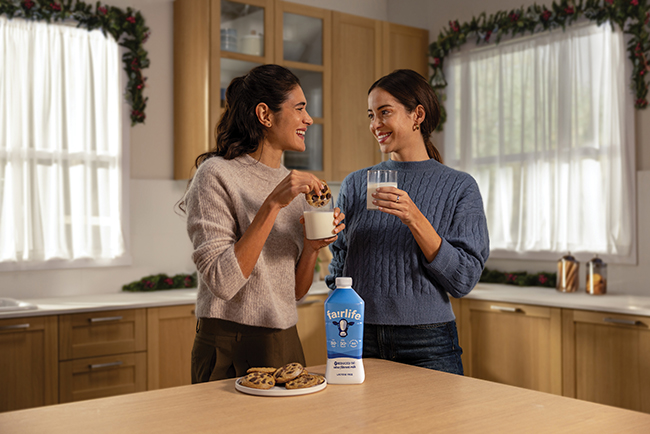
Boosted by rising demand for protein, dairy milk is enjoying some much-needed love in 2026.
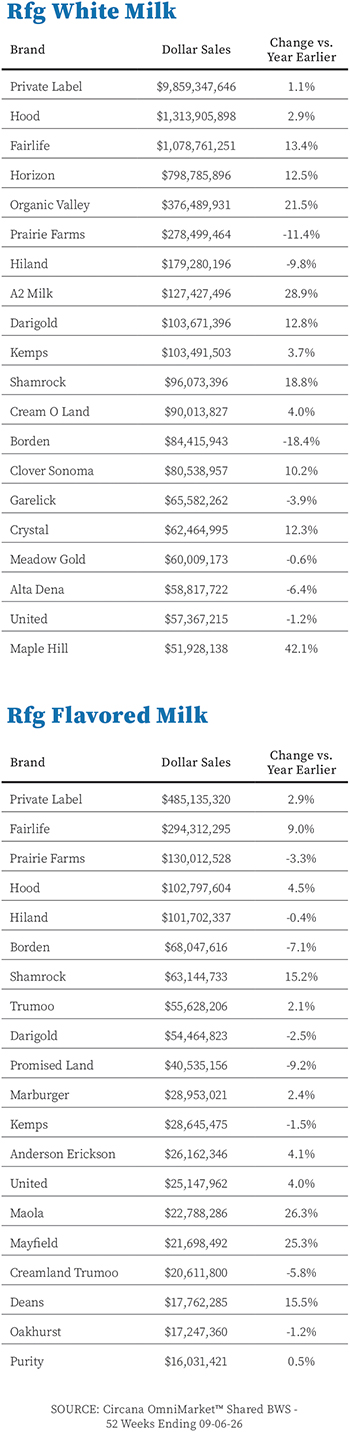
A few years ago, market watchers and brand builders were seemingly convinced that plant-based alternatives were hastening the end of dairy as we knew it. But the winds have changed: with GLP-1 drug use soaring and functional nutrition trends shifting, fluid milk – specifically the high-protein, low-sugar ultra-filtered variety – and dairy-based drinks are back in style.
Even as though protein has been the biggest rallying call thus far, there are signs that the innovation pipeline is still filling up. Milk’s rebound has fueled the rise of next-gen RTDs that are tapping into different functional benefits (like energy) and audiences (like toddlers) to meet consumers that are increasingly shopping based on needs rather than traditional beverage categories.
Whether it’s with a shake positioned as a nutrient-dense mid-day snack, a protein-boosted latte, or a hyper-caffeinated sweet milk drink, dairy beverages are fighting to earn their place with consumers who had been leaving the category behind.
Protein Moves the Needle
The connection between protein and dairy milk’s rising fortunes provides an apparently clear through-line for innovation: just add more protein. According to analysts from Jefferies, consumers continue to seek out protein-dense products, with categories offering more than 30 grams of protein per serving generating over 20% of category volume growth.
That has sparked a slew of new product launches on both sides of the dairy divide. For longtime national operations like Dairy Farmers of America (DFA), the trend represents a much-needed reason to innovate, as it did earlier this year with the introduction of Protein+ ultra-filtered milk under Midwest-focused brands Kemps. The lactose-free line contains 13 grams of protein per serving, are lactose free, and comes in Chocolate and 2% Reduced Fat varieties in 48 oz. bottles.
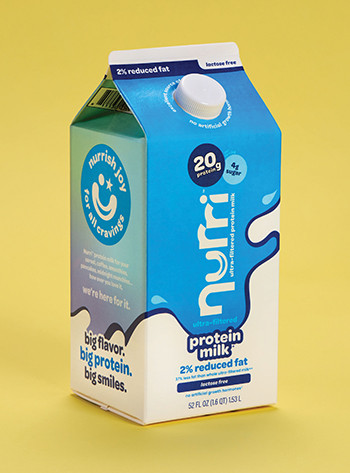
DFA has also integrated that approach into its other regional brands. Alta Dena, which is sold in California, and Meadow Gold, sold in Rocky Mountain and Northwest regions, both released Extra Protein versions this year featuring 15 grams of protein per serving. Elsewhere, Trilliant Nutrition leveraged its fast-growing high-protein milkshake brand Nurri in July to launch into the dairy case with a 52 oz. multiserve ultra-filtered milk in three flavors.
Moreover, protein has given brands a more clear and impactful term to talk about the benefits of ultra-filtered milk. Nurri’s lineup is clearly billed as “protein milk,” aligning with the same primary callout from the RTDs. Organic Valley also leaned into the trend in calling its ultra-filtered milk line, released in March, as Protein Plus. The product may also indicate how much consumers are willing to spend in a down economy; pitched as the only premium, pasture-raised, ultra-filtered organic milk available nationwide, Protein Plus costs $5.99 – $6.99 per 48 oz. carton at stores like Target, Sprouts and Whole Foods Markets. And for those already deep in the protein game like Optimum Nutrition, ultra-filtered milk is a strong base from which to add more functionality: see the brand’s 30G Ultra-Filtered Milk Protein Shake + Fiber, released in September.
Yet an education gap with consumers may still need to be bridged. According to a survey by fairlife, less than half (47%) of consumers believe dairy milk contains more protein per serving than plant-based milks. That’s despite protein being the benefit that those same consumers most closely associate with better-for-you milk products. Over one-third of respondents avoid dairy because they believed it was unhealthy, while 36% of Gen Z and millennials said more protein would make them choose dairy milk more frequently.
Plant-based milks have long struggled to match dairy’s nutritional content, but boosting protein is one lever that brands in the category can pull. And some are, most notably with Danone-owned Silk expanding its Protein line in June with new 11.15 oz. single-serve Shakes, featuring 30 grams of plant protein, 5 grams of fiber and 50% less sugar than dairy milk per serving.
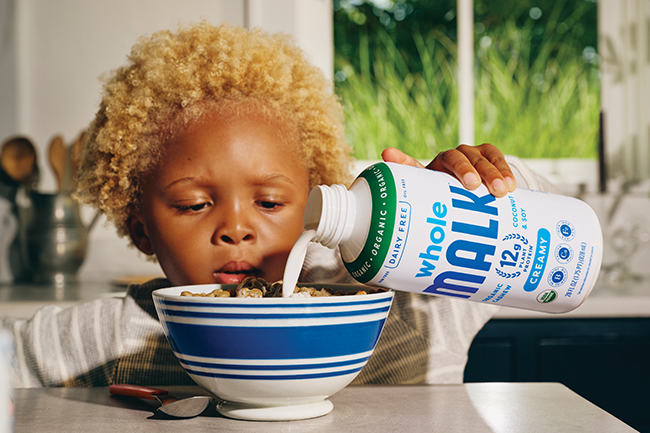
Yet still, for plant-based brands like MALK, chasing protein is a delicate decision. This year, the Austin-based company, best known for its commitment to clean labels and organic ingredients, introduced Whole MALK as a higher-protein offering designed to compete more directly with dairy milk from a nutritional standpoint. The new line, launched nationwide in August with Whole Foods Market, Target and Sprouts Farmers Market, contains 12 grams of plant-based protein per serving, alongside calcium, iron and B vitamins.
As MALK president Ryan Rouse explained, formulating Whole MALK was a unique challenge compared to its other releases.
“At MALK, we’ve built the brand by leaving things out,” he said. “Whole MALK is the first time we’ve meaningfully added ingredients, but only because they genuinely improve the nutritional experience.”
Milk For All
Even if there’s plenty of runway ahead for protein, some milk brands are already looking further afield.
Spylt may seemingly fit in alongside other high-protein ultra-filtered canned milk makers like Nurri and Slate. But while those brands feature more protein per serving, Spylt splits the spotlight between its 20 grams of protein and 60 mg of caffeine per 11 fl oz can. Billing itself as the preferred choice for those “who refuse to grow up,” the brand is backed by a trio of online content creators, Steven Shapiro (@stevenschapiro), Eric Booker (@badlandsboker) and Easton Simpson (@eastonsimp), and sports flavors like Banana, Cookies & Cream, Peanut Butter Chocolate and its latest limited release from September, Maple Donut.
That’s given it license to lean into young, online audiences in a way that legacy milk brands can’t; according to the brand, it reached No. 14 among all food and beverage sellers on TikTok Shop in March, “inspiring” nearly 40,000 creator videos along the way. Offline, Spylt has landed in over 1,300 Target stores and c-stores Circle K and QT.
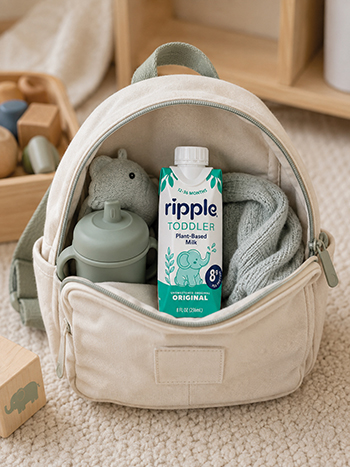
On the plant-based side, products designed for children have become an
increasingly popular way for brands to extend. Category pioneer Ripple Foods had already done so with its own kids line launched in 2021; this year, it’s targeting a specific age range (12 to 36 months) with Ripple Toddler, launched exclusively at Walmart in September. The shelf-stable line contains 8 grams of protein plus DHA omega-3s, choline and calcium.
As innovation accelerates, expect to see dairy brands further explore how they can fit into prevailing nutritional trends. The story around A2 milk, which may be easier to digest for some consumers, is already building in fluid milk through names like A2 Milk Company and Alexandre Family Farms, and in coffee with Laurel’s and Chameleon Cold Brew. Meanwhile Lactaid’s brought its leadership in lactose-free milk into coffee creamers this spring. And with good reason: according to Circana, products touting “lactose-free” claims saw 10.6% dollar sales growth in 2024.


Receive your free magazine!
Join thousands of other food and beverage professionals who utilize BevNET Magazine to stay up-to-date on current trends and news within the food and beverage world.
Receive your free copy of the magazine 6x per year in digital or print and utilize insights on consumer behavior, brand growth, category volume, and trend forecasting.
Subscribe