

When Poppi came out swinging with its first Super Bowl commercial in 2024, it told America “this will be the last moment you ever think of ‘soda’ as being a dirty word.”
But ‘Dirty’, it would appear, is exactly what the people want.
Emerging from the soda shop channel frequented by Utah’s alcohol and coffee adverse Mormon plurality, the dirty soda trend became a social media sensation via TikTok thanks in no small part to the vibrant colors of the drinks and Gen Z’s thirst for customizable beverage options.
Now, the trend is reshaping menus at mainstream restaurant chains all across the country, while also capturing the attention of Coke and Pepsi.
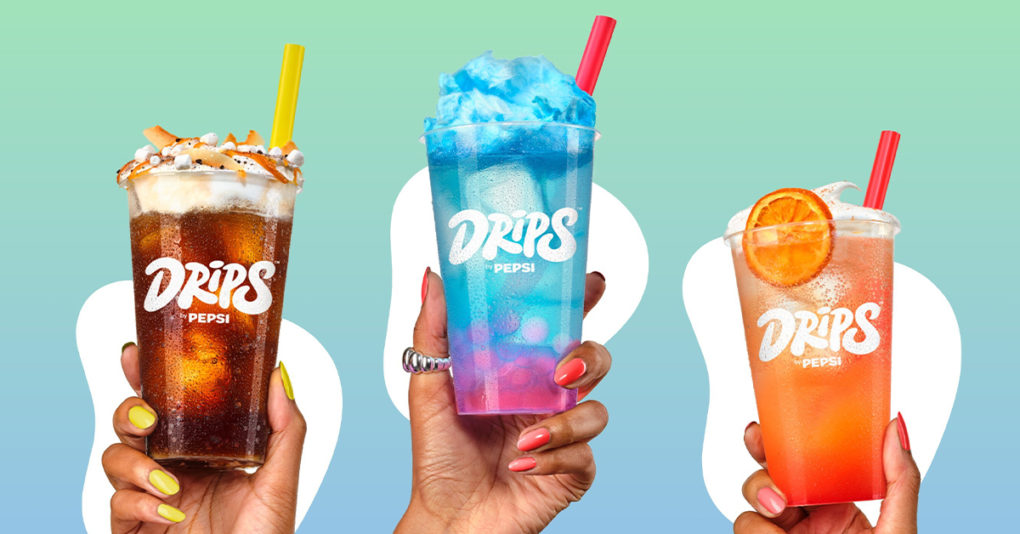
Last week, PepsiCo announced its DRIPS by Pepsi line of colorful fruit and candy flavored sodas would roll out into Regal movie theaters nationwide, beginning with 60 locations before expanding to over 200 this fall. Calling them “Insta-worthy” in the press release, Pepsi is hoping to capture a slice of that social media hype that’s been boosting the original soda shop chains like Swig and FiiZ Drinks, which partner with Coke, Pepsi and Keurig Dr Pepper (KDP) to use their brands as bases for customizable drinks.
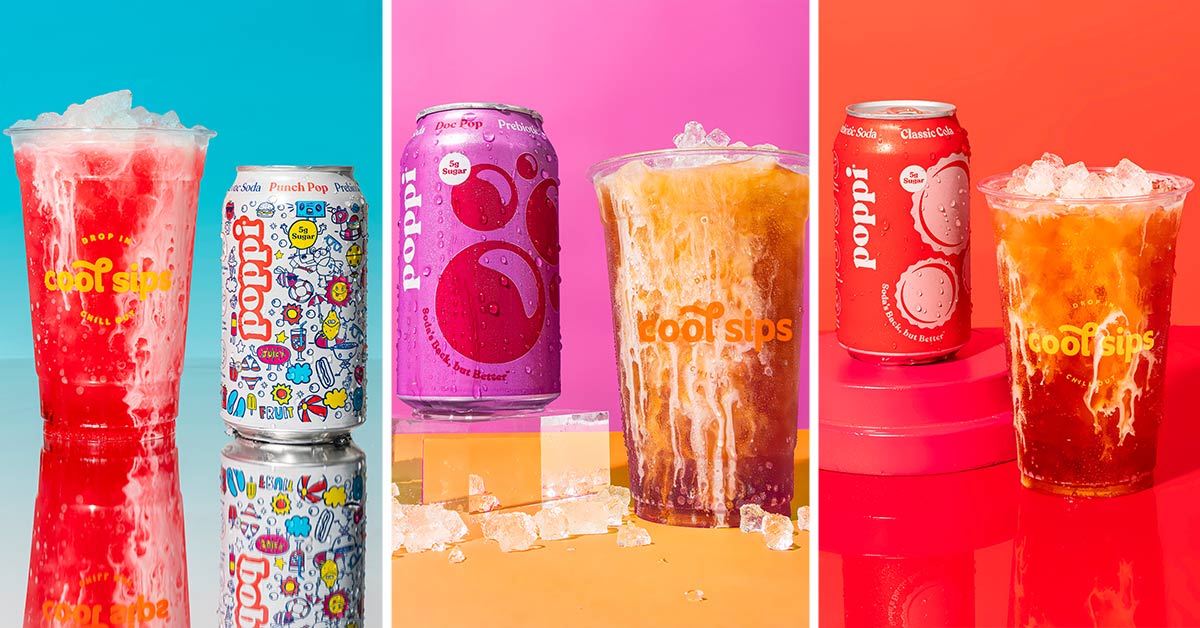
Even Poppi, recently acquired by PepsiCo, is getting Dirty via a new collaboration with New York restaurant Cool Sips, which has introduced new flavors made with the prebiotic brand’s canned soda offerings.
They also can net some nice margins. Scott Finlow, global CMO of foodservice at Pepsi, told Restaurant Dive that the company tested Drips at colleges and universities last year where they found that consumers were willing to pay anywhere from $5 to $9 per serving without “any pushback on the premiumization.”
Fast Food Freshens the Fountain
In fast food, Taco Bell has been thriving with its beverage-centric cantina restaurant concepts (which have helped propel big growth for the entire Taco Bell brand) while its Yum! Brands stablemate KFC is set to expand its Saucy chain, which includes an expanded drinks menu with lemonades and teas in addition to unique dipping sauces, after a successful test run.
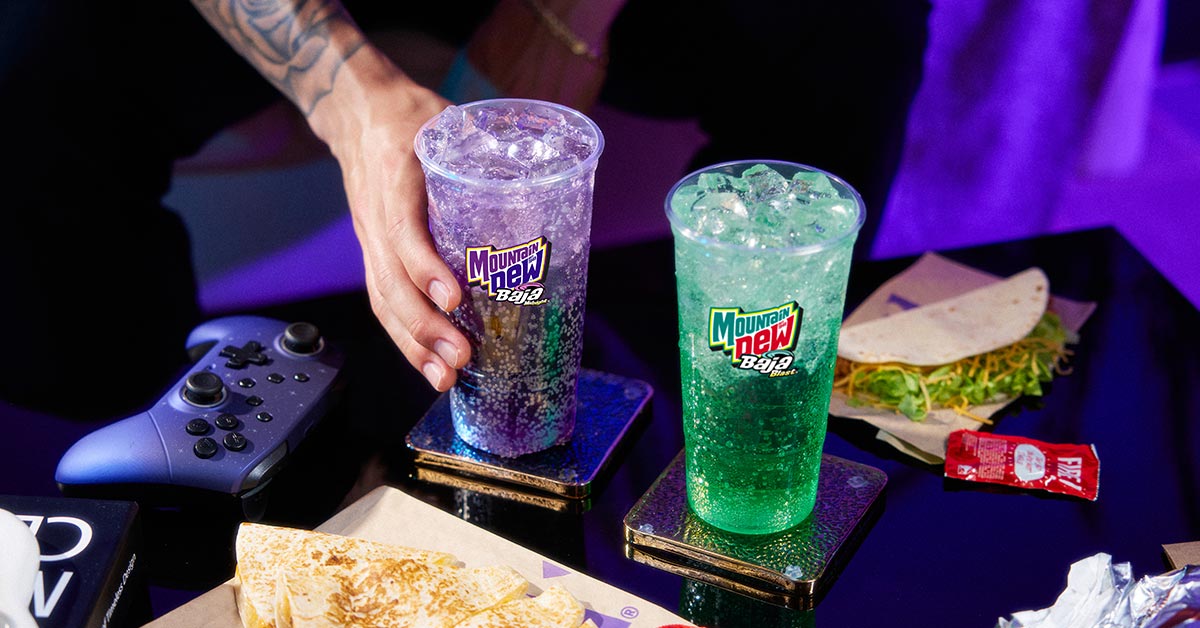
In addition to new drinks like its Agua Refrescas, Taco Bell is also leaning on its classics for innovation, launching its first new Mountain Dew Baja Blast flavor in years – Baja Midnight – this week.
“Beverages is one of those things that I think we’re incredibly excited about. It’s no secret that the industry has been embracing beverages in the last few years, and you’ve seen a lot of success with some of our competitors,” said Yum! CEO David Gibbs in the company’s Q2 earnings call last week.
As beverages prove to be a big attraction for Gen Z (along with other innovations on the food side like crispy chicken) Taco Bell grew same-store sales 4% in the quarter, while the broader limited service restaurant category was flat. The chain represents over 80% of Yum!’s U.S. operating profit and Gibbs said it is on track for 24%-25% restaurant level margins this year.
“Taco Bell is sort of leading the way on getting into the new category entry points on beverages for Yum!, we see the same opportunity for KFC,” Gibbs added. “KFC has their own program, Quench, which is now going into test. I’m very excited about the impact that can have on the business.”
McDonald’s has followed suit, taking learnings from its temporary CosMc’s launch to premiumize its own drinks menu at 500 stores this year, and earlier this month Wendy’s announced it is also getting in on the game with new cold brew coffee with cold foam and sparkling energy drinks. The trend extends to premium outlets as well, with Pressed introducing brightly colored sparkling options to its menu earlier this spring.
According to Barron’s, the timing of Wendy’s new beverage embrace – along with other food innovations – follows a sharp drop in the company’s stock value, while McDonald’s and Yum! have seen their value increase as they lean on innovation.
Even top end hotel chains like Loews are seeing potential in the trend, introducing this month Fizz by Loews Hotels, a line of “house-made sodas and spritzes” with flavors like Lychee Lush, Matcha Muse and Basilberry Pop that will launch in three of its hotels this summer before expanding nationwide.
“It’s a program rooted in consumer choice and connection, designed to bring joy to every one of our guests, no matter how they like to drink,” said Mark Weiss, Loews SVP of Food & Beverage and Design, in a press release.
Playing to Gen Z On- and Off-Premise
This on-premise beverage transformation is very much a youth-driven trend. A February report by Innova Market Insights found that among young Millennials and Gen Z, 60% of men and 40% of women mentioned or engaged in posts about dirty soda across social media platforms, compared to minimal engagement from Gen X and Baby Boomers.
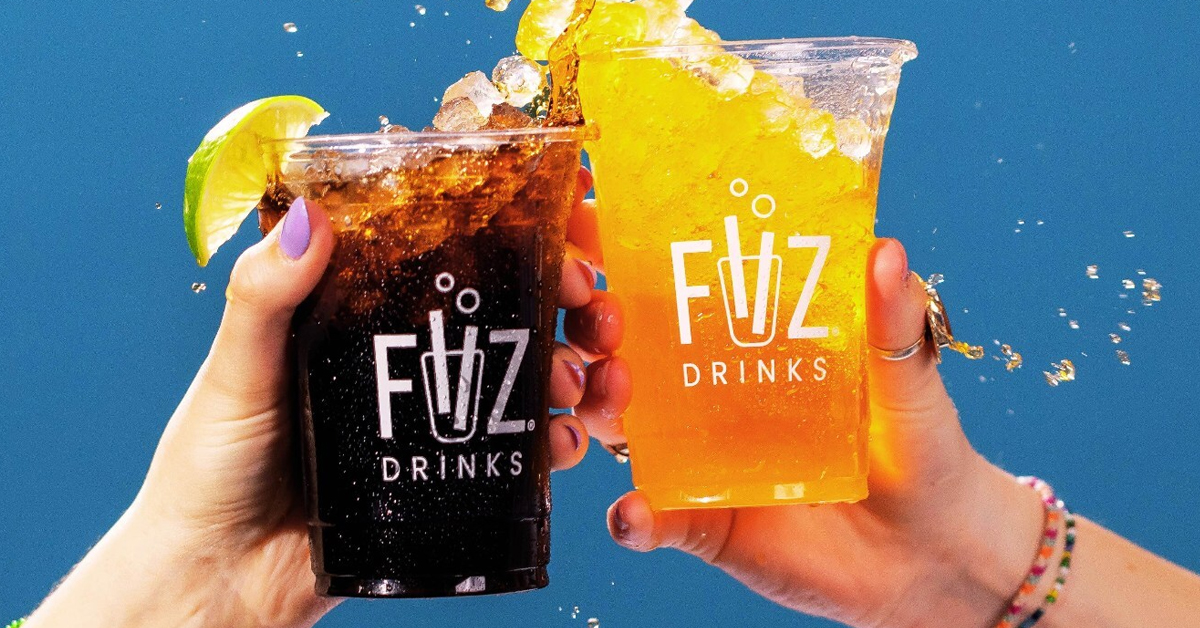
The dirty soda explosion has also been a major boon for its originators. Both Swig and FiiZ Drinks have been expanding across the country, with Swig reporting it has contracts set for 500 new locations, while FiiZ is moving Eastward with about 80 North American locations and now is reaching into Canada with plans to add around 140 stores in North America in the coming years, with stores coming online now in the Midwest and new locations planned along the East and West Coasts.
“In a lot of our conversations with our partners – Pepsi, Coke, Dr Pepper – one thing we are seeing, and all the data is showing it, is that cold beverages are now outpacing hot beverages,” said Scott Ball, president of FiiZ Drinks. “So that’s a big shift that is definitely benefiting us.”
Kelly O’Rourke, director of marketing at FiiZ, suggested that a “retro” trend could also be behind some of the popularity, suggesting that “from a pop culture standpoint things that are old are kind of new again.”
“I think soda plays into that,” O’Rourkle said. “There’s a huge revival and things from the 90s and I think some of these iconic soda brands that had some really strong brand awareness in that time period are coming back to play.”
It’s not just on-premise where soda is experiencing a renaissance. In CPG, the category has benefited greatly from a wave of better-for-you options, from gut health friendly brands like Poppi and Olipop, to Zero Sugar line expansions for Coke, Pepsi and Keurig Dr Pepper.
Playing with flavor, like dirty sodas do for on-premise, has also been key.
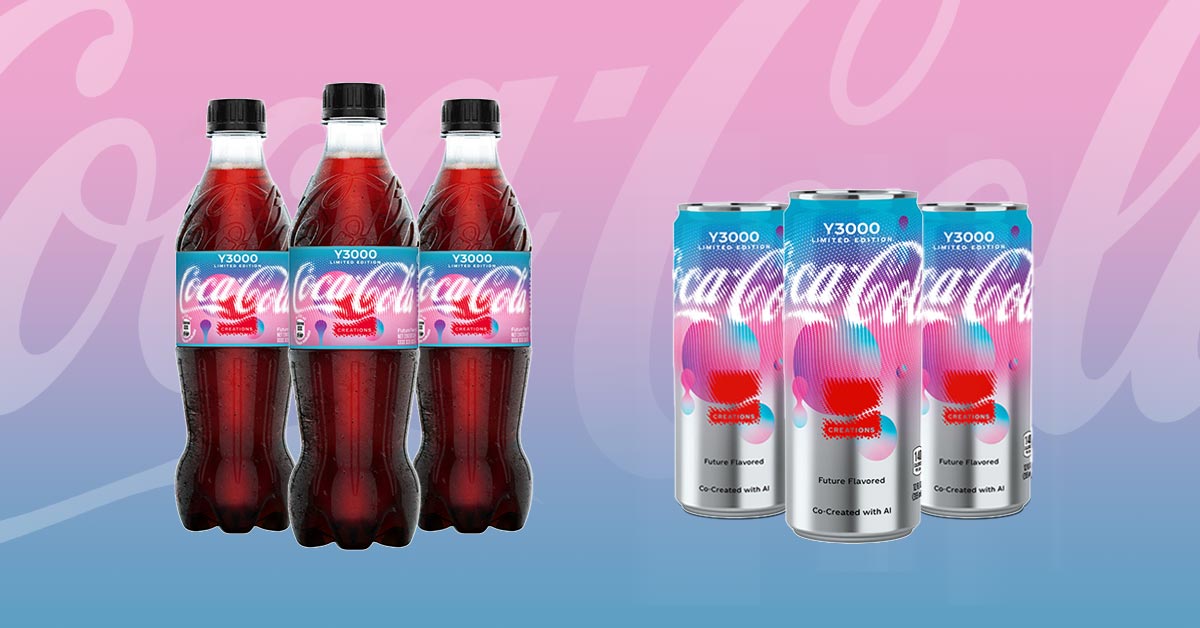
Coke in recent years has embraced an LTO strategy with its Coca-Cola Creations program, which has produced esoteric flavors like Starlight, Dreamworld and Move alongside co-branded offerings like Oreo. It also introduced a new permanent Orange Cream flavor of Coca-Cola to its CPG line, packaging a flavor that had long been available through its on-premise Freestyle machines.
Although the Creations line appears to be on hiatus for now, Coke CEO James Quincey had repeatedly praised the project as a way to get attention online, and draw in new and old consumers alike with the products’ deliberately mysterious branding.
In Coke’s Q1 2024 earnings call last year, he explained the concept that “the focus is on re-engaging with consumers in a novel way to drive relevance to the core brand.”
“We know that sometimes the most successful, lasting innovations are simply improving the taste of existing drinks,” he said on the call.
Co-branded flavors are also now hitting traditional CSDs, after dominating the energy drink set, with Mountain Dew this week introducing a collaboration with sour gummy worm brand Trolli (a Gen Z favorite) and startup BFY brand No Cap partnering with Albanese Gummies.
Perhaps soda is a “dirty” word after all.