


AP: USDA to Launch GMO-Free Label
The Non-GMO Project, the leading certifier of products free of genetically modified ingredients, is about to get some new competition from a big-time player in the food and beverage industry: the U.S. government.
The Non-GMO Project, the leading certifier of products free of genetically modified ingredients, is about to get some new competition from a big-time player in the food and beverage industry: the U.S. government.

The deal is expected to close in the Fall of 2015, at which point Coca-Cola Bottling Co. Consolidated will take on distribution of Coca-Cola products in major markets including Indianapolis, Cincinnati, Columbus, Dayton, Baltimore, Richmond, Norfolk, Alexandria, and Washington D.C.
Launched in 2008 as a hybrid coffee and energy drink and often promoted as a premium cocktail mixer, Whynatte is now positioned as a ready-to-drink coffee, first and foremost, according to founder Jesse Altman, who said that the beverages will be sold in the natural food sections of Kroger stores.

CNN recently profiled flavor scientist David Dafoe and his Louisville-based beverage development company Flavorman, which has been engineering beverage formulations for clients such as Jones Soda, Ocean Spray, Joia Life, and Diageo since 1992.
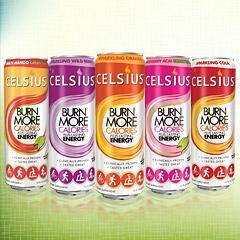
Powered by a 39 percent increase in international revenue, the calorie-burning beverage company saw overall revenue growth of 20 percent for the quarter.
Despite sustained interest in the market for cold-pressed, HPP juices, Tree Top declined to add to its investment in Fresh Matters, the maker of 'tude juices. Tree Top stated that “the initial business plan for which these investments were made has never materialized and had never come to fruition.”
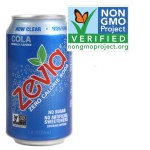
In an interview with BevNET, Zevia CEO Paddy Spence discussed the company's reasoning and decision to remove coloring from its products and become a non-GMO brand.

The video coverage includes all of the speaker presentations from one-day event and also features FBU's first-ever pitch panel, in which three new brand owners submitted their business plans and elevator pitches to a group of veteran investors in a Shark Tank-esque setting.

A Mother Jones report that focused on a California-based source for Starbucks’ Ethos bottled water brand, which, situated in an area faced with “exceptional drought,” according to the news service, has ignited a flurry of criticism of the coffee giant in recent days.
As Whole Foods continues to introduce new shelf space for high pressure processed (HPP) juice products, it’s clear that the retailer is also adding room for similarly processed and premium positioned beverages in a range of other categories.

In its recently released “The Why Behind the Buy” report, Acosta Sales and Marketing examines what drives consumers when they shop.

“You know, I’ve never thought about that question before.” That’s what I’ve been hearing almost exclusively lately when I ask whether there’s anything alarming about the lack of racial and ethnic diversity that I found remarkably easy to observe at Natural Products Expo West.
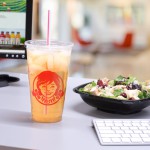
A new national presence at Wendy’s, one of the country’s largest fast food chains, hits on two areas of focus for the organic tea brand: rapid growth of its foodservice business and the continuation of a company goal to “democratize organics” by making such products available to as many Americans as possible.

The sweetener industry would like you to understand that corn syrup isn’t dead. It sees marketers and retailers who have been rushing to swap HFCS from products as following a fad, and not getting a good overall picture of consumer behavior.