

Bolthouse Bidding in Final Round
Campbell’s Soup Co. is offering up between $1.5 and $2 billion for juice maker Bolthouse Farms, Inc., which is currently owned by Madison Dearborn, a Chicago-based private equity group, according to Bloomberg News.
Campbell’s Soup Co. is offering up between $1.5 and $2 billion for juice maker Bolthouse Farms, Inc., which is currently owned by Madison Dearborn, a Chicago-based private equity group, according to Bloomberg News.
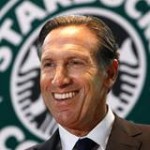
Delivering the keynote address at The Institute of Food Technologists (IFT) annual trade show last week in Las Vegas, Starbucks Chairman and CEO Howard Schultz related how Starbucks endured and eventually mitigated the effects of its recent troubles.
It's been a while since we've seen one of these, but Oskar Blues Brewery, which has always been unconventional (they're the ones who started the whole canned craft beer thing, for those of you who've slept through most of the past two years), is again going against the grain, rolling out an RTD version of a root beer that's available on tap at their brewpub/restaurants.
Long the manufacturer of an imported brand of canned, sweetened coconut juice, Foco, a Thailand-based company that sells largely to ethnic markets in the U.S., has debuted an all-natural, unsweetened coconut water in PET packaging -- and it is working with Exclusive Beverage, one of the chief builders of the category in Manhattan, as its distributor.

Delivering the keynote presentation at BevNET Live Summer 2012, former Vitaminwater CMO Rohan Oza punctuated his high-energy presentation with a simple, yet powerful, message: "Everything is niche until it's not."
Skinny has been searching for additional funding for a while; this came in the form of a sale of $9 million in preferred and common stock to investment firm Trim Capital, as well as a $6 million line of credit extended by the investment firm.
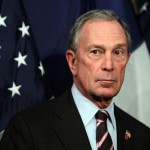
... and they're using the same folks who came up with the old Harry and Louise ads that helped kill Clinton-era health care reform to spearhead the campaign.
Henry Schimberg, who helped build CCE to such a level of prominence that it handled 75 percent of the entire case load of Coca-Cola in North America, died over the weekend while traveling in Europe.

Monster Rehab and Absolutely Zero both hit all-time highs of $21.4 million and $12.9 million over the last 12 weeks, while the addition of Red Bull Zero to that brand family was the most likely source of a 30 percent increase in Red Bull sales in the four-week period ending June 9.

Bill Meissner called the job of running Jones Soda – and trying to restore the legendary entrepreneurial brand to prominence – the ultimate opportunity. That opportunity ended before he reached his ultimate goal. Meissner, the CEO of the Seattle-based brand that has long been a youth favorite for its inventive flavors, creative, user-generated packaging and unconventional attitude, resigned yesterday following a series of disagreements with the company’s board of directors.

BevNET’s 2012 Water Guide is the beverage industry’s largest guide to bottled waters and powders. The guide is a key resource to beverage retailers and distributors. The guide is sent…
Calling it "the best of times and the worst of times for the beverage market," Ross Colbert, global beverage strategist for Rabobank, stressed the importance for retailers and vending operators to take advantage of current trends in the beverage industry to create new sales growth. Colbert explained that consumer demand for healthier and vitamin-fortified products is fueling the growth of "better for you" beverages, particularly in ready-to-drink teas, bottled waters, and functional drinks.

For the second time this year, the FDA has warned a beverage company that products labeled as supplements must be sold and marketed as supplements, not beverages. It was revealed today that the agency sent a letter to Rockstar cautioning that, despite being labeled as supplements, its Coffee & Energy products are represented and sold as beverages. And because the products contain Gingko, an unapproved food additive, the agency deemed the line to be “adulterated.”

Slow and steady is helping at Zola, which will follow a 60 percent sales increase last year with between 70 and 80 percent this year, according to CEO Chris Cuvelier.