

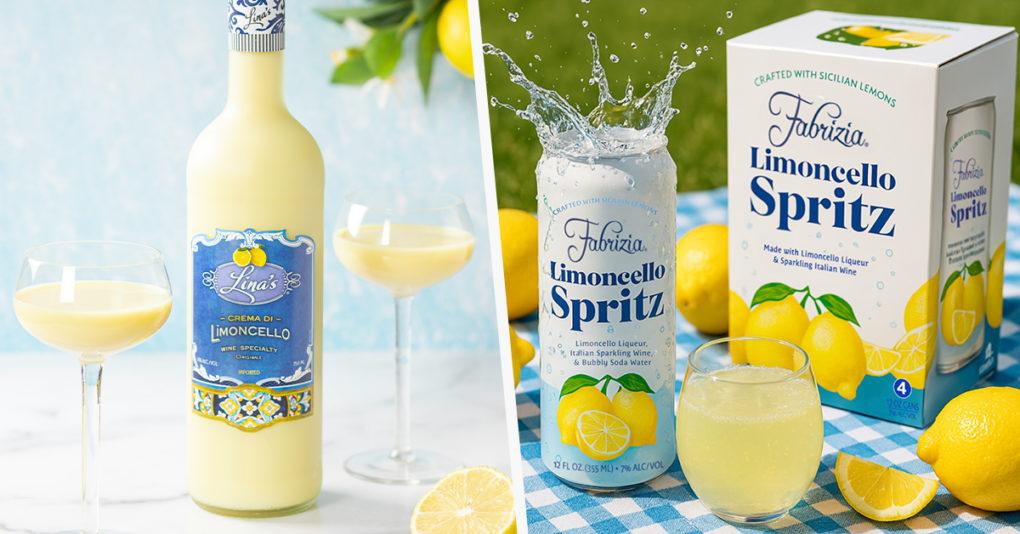
 Once a niche liqueur with roots on the Italian coast, Limoncello is now riding the trend wave of Italian cocktails and liqueurs, and bubbling up on U.S. cocktail menus and store shelves in ready-to-drink (RTD) form.
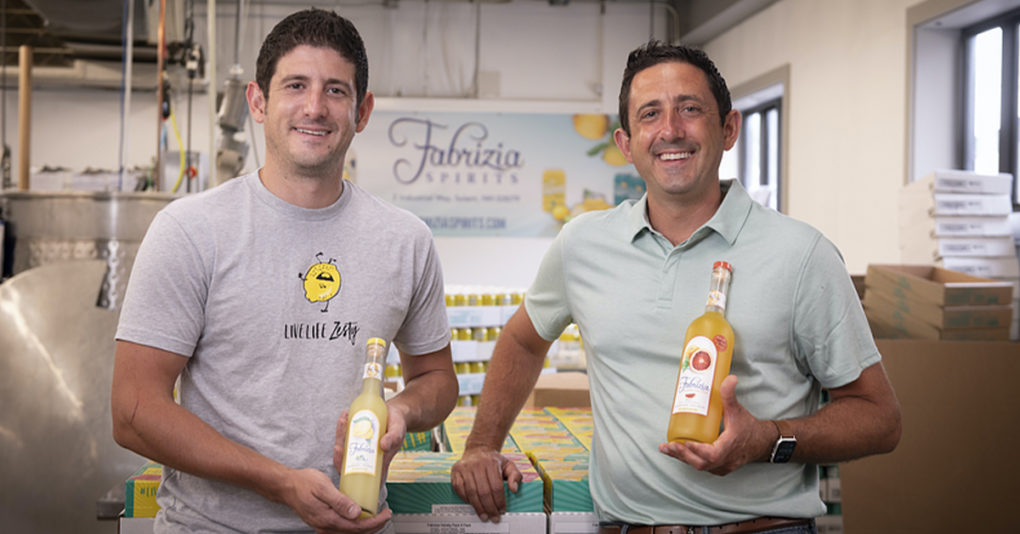
Five years ago there were bars that Phil Mastroianni, owner of Massachusetts-based Fabrizia Spirits, would never have bothered to pitch on the brand’s flagship limoncello. Mastroianni started the Italian-inspired spirits company in 2008, importing lemons from Sicily and finding a home for Limoncello mostly in Italian and Mediterranean restaurants.
“Limoncello used to be this nostalgic serve after dinner,” he said. “Maybe you’d only get it if you got it for free. Now, it can be a key ingredient in a rising cocktail.”
That rising cocktail is the spritz, which thanks to Campari, has become one of the top-selling cocktails on-premise. Around 2017, orange hued ice-filled cocktail glasses emerged as the drink of the summer, the payoff for a decade-plus campaign by Campari that pushed the Aperol Spritz across Europe and into the U.S. Now, Mastroianni and other U.S. limoncello producers are leveraging the popularity of the bubbly cocktail to gain traction across channels.
Pucker Up for the Limoncello Spritz
Without a major spirits company forging a path for the limoncello spritz, American tourists returning from Europe have been the ambassadors of the cocktail, according to Mastroianni. The Fabrizia sales team has seized the moment, ditching a 20-plus cocktail recipe collection of cocktails to focus solely on selling a new signature cocktail. They may have a slight opening.
As of fall 2024, about 11% of cocktail drinkers said they’d ordered a spritz and 4% of cocktail drinkers ordered a spritz without Aperol, indicating some growth in different spritz serve types, according to the latest survey from NIQ’s on-premise market research firm CGA.
“Nearly one in two consumers that ordered a spritz without Aperol also ordered an Aperol spritz, so while there is a significant Aperol spritz consumer that hasn’t drifted to other variants of the serve yet, it’s worth noting there may be some interest from consumers to try other varieties,” said Ben Tilton, associate client solutions manager for CGA.
Although unlike the Aperol spritz or its cousin the Hugo Spritz – which is made almost exclusively with St-Germain Elderflower Liqueur – it’s unlikely one brand will own the limoncello spritz bar call (even Mastroianni admits Fabrizia Limoncello Spritz is a mouthful).
That’s where ready-to-drink spritzes come into the picture.
The cocktail’s rise has given Fabrizia a new opportunity in a 750ml ready-to-serve spritz released last year, and a canned 11oz spritz introduced this spring, all made with premium Italian sparkling wine, Fabrizia Limoncello and soda water. Other producers have tapped into the trend this spring as well, including winemaker Riboli and California distillery Ventura Spirits.
Overall, off-premise sales for spirits-based prepared spritzes have grown 102% in the 52 weeks ending March 22 compared to the year prior, according to NIQ. While Campari was slow to the RTD game, other independents such as Saint Spritz have led the charge, expanding from one state to 40 in less than one year with placements in chains such as Albertsons, Walmart, Whole Foods, Target.
It’s not the first foray into ready-to-drink (RTD) for Fabrizia, which offers a range of other lemon-based canned cocktails. Fabrizia sells about 40,000 RTD cases per year in the Northeast and across national Whole Foods Markets. But Mastroianni is hopeful the spritzes will become a growth driver for the RTD portfolio. So far, Total Wine & More have brought the cans into several states including California and Florida, and wholesalers have been eager to bring a differentiated pre-made cocktail into new states – a total of 24 this year.
Keeping it Classic
Lina’s Limoncello founder, Lina Marchetti Reisigl, is taking a different approach. Reisigl’s family business has prioritized at-home consumption, highlighting the versatility of the wine-based cream limoncello for cocktails but emphasizing serving the drink chilled, over ice or neat.
Also inspired by her family’s Italian heritage, Lina’s Limoncello debuted in Florida in 2018 and has been steadily growing into neighboring states, hitting the shelves of Costco, Trader Joe’s, The Fresh Market and just this month, Target.
Both the founders of Lina’s and Fabrizia claim sales for their limoncellos have doubled at least yearly since launch. That aligns with international brands that have seen sales upticks in Europe, such as Italian producer Villa Massa, which announced last October a $2.2 million investment to double production. The Zamora-owned company is the leading limoncello in Spain, Portugal and the Netherlands and plans to expand into the U.S. and Latin America.
U.S. sales of limoncello overall are on the rise as well, up off-premise 6.7% in the 52 weeks ending June 14 compared to the year prior, according to NIQ, although sales for cream limoncello are down -22.9%.
Unlike the specificity of a spritz occasion, the cream limoncello sells because of its presentation and versatility, said Charlie Dubovec, buyer for regional Florida chain Joseph’s Classic Market. The bottle is often bought as a gift, and its use in cooking may give it an extra edge over other liqueurs. The store showcases Lina’s recipe booklets with the products.
James Reisigl, president of Lina’s Limoncello parent company Marchetti Brands, believes the 14% ABV liqueur is benefitting from another recent trend in the U.S.
“We’re a very tasty and approachable product, but also the fact that it’s lower ABV means you can have a few Lina’s drinks and not over indulge,” he said.