

 At Dirty Hands, we work with hundreds of brands and entrepreneurs every day. Entrepreneurs are masters of innovation, passion, and vision. To grow and thrive, business owners must build a trusted and experienced team, both internally and with third parties. This is especially crucial when it comes to expansion and scaling one’s brand. And one of those crucial partners in scaling your business is a broker. A carefully chosen broker, offering a full spectrum of services, can become an extremely valuable partner. They can serve as an advisor, guide, and key executor in the strategic growth of your business, crafting a healthy sales model and delivering prosperous, win-win relationships with top national distributors and retailers. In a recent interview with the Road to Retail podcast, Our Senior Vice President of Growth Services at Dirty Hands, Rob Maxwell stated, “In a perfect scenario a broker is a sales partner that is helping the brand to carve a path into distribution and retail that’s sustainable and has clear expectations into what success looks like.”
Choosing an outsider to represent your brand is nerve-racking. How do you find the right fit? What should you expect from a brokerage? What will they expect from you? These are important considerations entrepreneurs grapple with when determining its time to choose a brokerage to accelerate growth.
When do you know that your company is ready for a brokerage?
Business owners know that brokerages cost money to hire (retainer and/or commission fees), but sometimes don’t fully understand the additional costs involved in getting into new retailers and distributors.
Landing new retailers and distributors requires cash out before there is cash in, mainly in the form of inventory, but also in the form of investments required to ensure success at retail. This can be anything from slotting fees, to promotional investments, to samples and more. You also need to consider the managerial implications of overseeing and driving success in new retailers and distributors. It can feel like landing new retailers and distributors is the finish line, when really, it is the start of the race. If you want to stay on the shelf, you need to be prepared to drive success in store. As such, it’s important to understand what is required to be successful before you start selling and growing your store count and distribution.
Here is a broad checklist to determine your company’s readiness for a brokerage:
- Are you having success in local markets? Is product moving at a reasonable clip?
- Is feedback from existing retailers and customers positive? Is your current pricing competitive?
- Do you have a basic toolkit in place, such as a spec sheet, price list, sales deck, and packaging images, etc?
- Are you funded to support growth? Do you understand and can you handle the lag time between investing cash in production and sales, all the way through to cash returning to your bank account?
- Will you be able to make the investments necessary to equip your broker with what they need to drive sales?
- Do you have a growth strategy? Different strategies require different types of brokerage partners.
- Is your supply chain able to meet demands from growth in distributors and retailers?
Choosing the Right Brokerage for your Brand
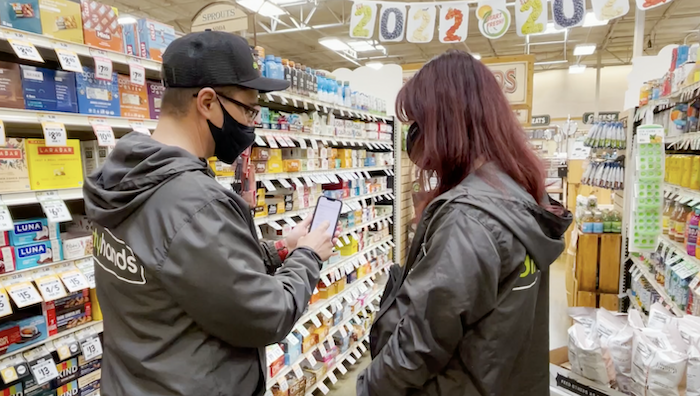
Once you’ve determined you’re ready to start scaling, it’s time to thoughtfully evaluate what the right brokerage partner for your company looks like. Here are some considerations to think about as you pick a partner:
- Do your business growth goals align with your broker’s niche? Are you looking to acquire a particular retailer or do you want to focus on a specific geographic area? Or both? Different goals require different brokers. Examine your sales goals carefully and decide if they fit with the broker’s niche.
- Do you understand your broker’s full package? Certain brokers are specialists while others are generalists. Some brokers have large portfolios while others are small. What access to data or information does your broker offer? What does the communication cycle look like? What are their field capabilities? These are critical questions to ask.
- Does the broker have a strong back office? Paperwork, promotion flows, forms, partner portals and submissions can be very complex and differ by both distributor and retailer. Institutional knowledge is necessary.
- Does the broker have outstanding, proven relationships with retailers, at all levels? Do they know the right people to get your foot in the door? Do they have a strong understanding of the cadence of, for example, category reviews and the right timing to have the right conversations?
- Has the broker had success in the specific outlets you want to be in? Can they provide references and/or case studies to document their prior successes?
- Finally, and perhaps most important, do you like them? Are they a fit for your unique culture and a match for your core values? This will be your trusted partner, and you should genuinely like them and believe strongly you are working with the right partner.
What Should You Expect from Your Broker?
A good broker should not only get your products on the shelf, but also manage the ongoing relationships with retail headquarters, buyers, and staffers. Despite the perceived popularity of online ordering, did you know that 85% of sales happen at brick-and-mortar retail locations? This means your broker has a tremendous responsibility and, of equal importance, you have a responsibility to set and manage expectations.
What you should expect from a brokerage relationship:
- Honesty and Feedback: If buyers aren’t taking your product, it can sometimes be broker performance, but it might also be your brand’s issues. You need to be able to give each other feedback so you can both adjust accordingly. Both parties want the brand to succeed.
- Trusted Knowledge: You’re generally hiring a brokerage because of the institutional knowledge they have of retailers, review cycles, processes, and buyers. Managing this process isn’t one size fits all, takes a varying amount of time, and often requires finesse and judgment. You should be prepared to be patient and not jump to conclusions about performance. If you’re not winning, your broker should share feedback.
- Accountability: Brands should be ready to hold their broker accountable and vice versa. Is your broker getting meetings? Are they acquiring new accounts? If not, are they providing valuable feedback as to the reasons? Are they communicative? On the flipside, has the brand provided you with sales decks and sheets? Have they provided you with the tools required to open new doors? Are they clear with their priorities?
- Alignment on Ramp Up Time: Ensure you and your broker are aligned on timing expectations. Setting up distribution (gaining anchor retailers), securing meetings, and review cycles take time, generally 4-6 months to truly gain momentum. But remember, it’s never one size fits all. Sometimes things happen faster or slower.
- Effective Communication & Responsiveness: The broker should be communicating to brands at least monthly. There should be easy access to key data and metrics and the brand needs to be available and responsive.
The bottom line is that successful brands don’t scale without awesome partnerships these days. And in order to find yourself an awesome partner, you need to be ready to invest in each other.
Dirty Hands Growth Services: An Unprecedented Engine for Growth
Most know Dirty Hands for our field sales and merchandising teams. Yet throughout our history brands have continuously asked, “Since you’re already in the field for us, can’t you also be our broker?” We listened and built a brokerage based on the core tenets of our belief in providing exceptional services. We will have national coverage and capability by the end of 2022.
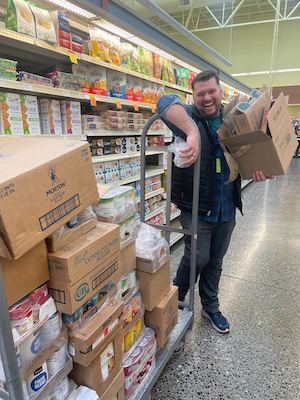 What’s extremely exciting about this brokerage, and can’t be understated, is that we strive to be the first national brokerage in the natural food space to have access under one roof to a full service, high frequency field sales and merchandising team. Imagine if your brokerage could also visit thousands of retailers on a daily, weekly, and monthly basis. Imagine the types of programs you could execute. Imagine the retail advantage you could gain over your competition. Imagine the shelf intelligence and data you could pair with your pitches to retailers. We believe this is a growth engine the industry has not seen before. Along with a national field team, our growth services unit is built on the same foundation as our well-known merchandising and field teams: Limited Portfolios, Data Visibility, Communication Frequency, Execution, and Quality. We believe that success is built of quality partnerships, excellent relationships, transparency, and good people. If this article and approach resonates with you, and you’re looking for a partner, we’re always open for a chat. Feel free to contact us here dirtyhands.com.
To learn more about us, check out our additional articles and/or register for our upcoming webinar, Recession Strategies at Retail, on September 21st at www.dhstoresupport.com/webinar