


BRĒZ Battles for Balance Amidst Swirling Regulatory, Financial Crosswinds
BRĒZ is trying to reposition itself for long-term growth and adjust its strategy to shifting regulatory demands after a challenging 2025.
Explore the latest beverage-related retail news in addition to strategies for succeeding in retail stores, optimizing e-commerce, and driving direct-to-consumer sales. Have a better understanding of the latest insights and news impacting your success in each retail channel, whether it’s selling on your own online store, partnering with Amazon, capitalizing on convenience stores or expanding into national retail chains.
Submit Retail News
If you’ve recently launched into a new retailer or have news related to retail, submit your news to our team.
Watch Community Call
For additional retail and e-commerce insights, watch the Community Call video series.
BRĒZ is trying to reposition itself for long-term growth and adjust its strategy to shifting regulatory demands after a challenging 2025.
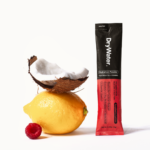
DryWater is expecting to hit 41,000 doors by the end of 2026 as it targets a growing demand for clean-label, daily hydration powders.
Non-alcoholic beverages accelerated during the second half of May as Memorial Day celebrations helped increase dollar sales 4.5%.
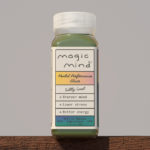
"Mental performance" shot brand Magic Mind is expanding its functional 2 oz. drinks into more retail doors this year on the back of a strong online subscriber base and a new investment secured last year.

Today’s crystal ball is spinning with innovation insights and retail revelations that may signal a prosperous future for select beverage segments. Let’s take a closer look at market researcher SPINS’ 2025 predictions.

Non-alcoholic beverage sales growth “accelerated” sequentially in the latest two-week period ending December 28 amid stronger volume and stable average pricing.
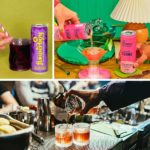
The adult non-alcoholic (ANA) beverage category has been driven recently by demand for functional options intentionally crafted to have an effect and positioned toward experiential occasions.
The state of grocery retail in 2024 was characterized by the failed Kroger-Albertsons merger, abrupt bankruptcies (and resurrections) and a trend toward small-format stores.
The proposed $24.6 billion Kroger/Albertsons mega-merger was temporarily blocked today by a federal judge, who ruled in favor of the Federal Trade Commission (FTC) suing to block the deal.
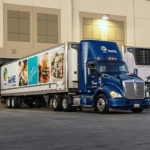
KeHE has introduced a new opt-in fee structuring program that allows emerging brands to trade associated, first-year onboarding fees for a consistent 2% flat rate, a move intended to make the distribution powerhouse “easier and more cost effective” to work with.

BevNET Live Day One brought discussions on the true meaning of category disrupting innovations, a temperature check on the investment and M&A market, a lesson for emerging brands on how to utilize TikTok Shop and more.
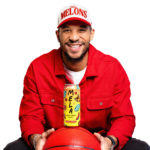
With the help of new brand ambassador NBA star Josh Hart, watermelon water brand Mela is taking a broad distribution approach targeting independent convenience and mass retailers.
This weekend, Union Kitchen opened up the kitchen doors and invited in hundreds of attendees while offering a chance to chat with, sample and shop nearly 150 brands during its Meet the Makers event. Here’s some highlights from what we saw.

Despite strong order demand from its retail partners, ginger beer producer Reed’s saw sales and profit declines in Q3 due to “repetitive” production limitations and short shipments, according to the company’s latest earnings report.

In the weeks leading up to Election Day, maybe it’s fair to say that consumers were feeling, let’s say, hesitant? That’s kind of the vibe we’re getting from the latest set of NielsenIQ sales numbers.
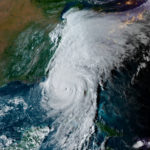
In the wake of Hurricane Helene’s devastating impact, we spoke with a handful of brands from North Carolina to hear how they are rebuilding from loss through communal support and entrepreneurial resilience.
The grocery industry is big. Over $1 trillion a year. And complex: wholesalers, brokers, trade spend, inventory management, EDLPs. On the one hand, there are a small handful of mega chains that monopolize over 60% of grocery sales. On the other hand, there are thousands of grocers that a brand can work with. So where do you start?