Search across the BevNET CPG Media network including BevNET, Nosh, Brewbound, Taste Radio, Nombase and CPG Jobs.

Category Close-Up: Expert Analysis - Confection
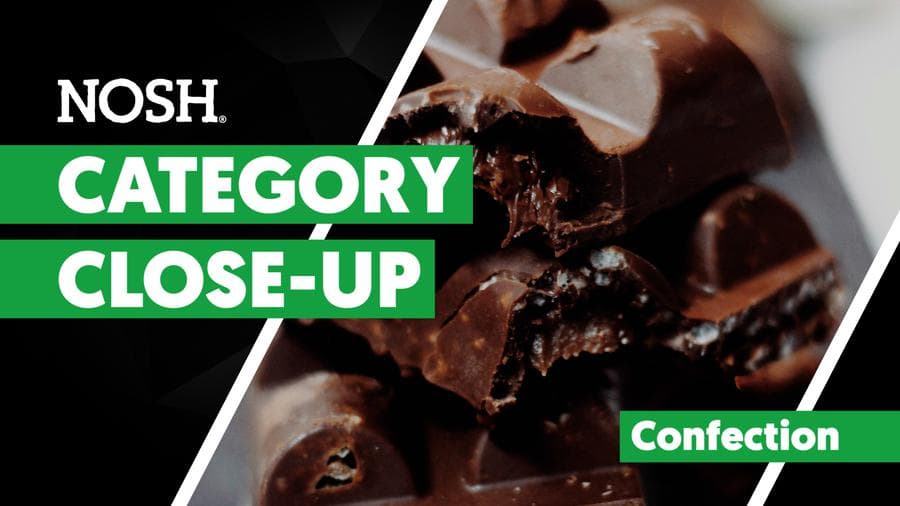
In addition, emerging brands must balance changing consumer preferences, which include an increased focus on health and wellness, sustainability and “affordable indulgences.” In this month’s Category Closeup: Expert Analysis, we’ll hear from a group of industry leaders about these quandaries and more, exploring both the market dynamics facing confection brands as well as the opportunities within the category.
Our guests include:
Joe Melville, co-founder and chief growth officer of Green Rabbit, owner of Melville Candy Corporation and former owner of Candy.com
Michael Sands, co-founder of Smile Beverage Works and former CEO of YumEarth
Chris Gindlesperger, SVP of public affairs and communications for the National Confectioners Association
Transcript
Note: Transcripts are automatically generated and may contain inaccuracies and spelling errors.
Carol Ortenberg [00:07] Hi everyone, I'm Carol Ortenberg, the editor of Nosh, and welcome to Category Close Up Expert analysis. Today we're exploring the trends, consumer behaviors, investment activity, and changing merchandizing strategies in the confection category, which includes sugar confection, gum, and chocolate. Though being in confection may seem like a sweet gig, getting space on shelf and capturing a consumer's eye can be tricky in this candy wonderland, especially against large incumbents with deep pocketbooks to fund innovation and marketing plans. The products within the set have also undergone an evolution. Once a category that was focused solely on indulgence, confection brands are now balancing a rising emphasis on health, with some brands embracing low or no sugar formulations, and an emphasis on sustainability. There's also a wide price range, with some brands aiming for the gourmet end of the spectrum, while others focus on mass and volume. But luckily today we have a great panel of experts to help sort out this sticky situation. First up, we have Joe Melville, co-founder and chief growth officer of Cold chain logistics provider Green Rabbit. Joe, who is the owner of Melville Candy Corporation and formerly the owner of Candy.com, is a member of the board of trustees for the National Confectioners Association and president of the National Confectionery Sales Association. Next, we have Michael Sands, who is currently the co-founder of Smile Beverage Works. Previously, Michael was CEO of candy brand Yum Earth, co-founder and president of Rickland Orchards, and CMO at Ben and Jerry's. And finally, we have Chris Gindelsberger, SVP of Public Affairs and communications for the National Confectioners Association. In his current role, Chris supports the NCA's public policy and advocacy team, while also helping raise awareness in the media of the confectionery set and the brands within it. So with that, guys, thank you so much for joining us today. Um, let's start by defining the category. Chris, what do you think the consumer expects when they go to the confection set and what are they looking for?
Speaker 2 [02:20] Well, Carol, thanks so much for having me and uh I'm delighted to be on this great panel of experts, uh, Michael and Joe, we've been around each other in the industry for some time and it's a, it's a pleasure to be with you all, uh, today as well. Uh, so I'm really looking forward to the conversation. I think, um, you know, to your question, Carol, about what, you know, consumers are looking for when they come, uh, to the confectionary category, it really kind of boils down to, uh, one word, and that's treat. Um, You know, with so much happening in the world these days, there's, uh, there's even more focus on, uh, what we've been calling over the last couple of years, emotional well-being, and I think is a broader part of our discussions and sort of how people are, are focusing on the balance between their diet, between their physical activity, and then sort of how they feel. Um, you know, we've been in this COVID-19 environment, locked down in our houses. Uh, where our kitchen table becomes our office and our, uh, homes become so much more than just a home. Um, you know, there's, uh, there's definitely room, uh, for, for a treat. And when, uh, when consumers are looking for that, I think that they approach chocolate, candy, gum, and mints, uh, with a mentality that This is something that holds a special place in my, in my life, and my emotional well-being, a small piece of the diet, and, uh, and a big piece of my life. So, that's, uh, that's what I think, uh, you know, consumers are looking at when they look at the confectionery category.
Carol Ortenberg [03:54] I think that's a great description of the category, uh, that we can, you know, start off our conversation from. I'm wondering when consumers are shopping this set, have the three of you found, are they weighing chocolate versus chocolate, gummy versus gummy, for example, or does a brand in the category kind of. Compete against all other brands in the category. And how much, when a consumer is like, hey, I want that treat, do they have a specific, you know, product type in mind, or are they kind of just, you know, saying, I want a treat, and then, you know, open to a variety of different solutions for that craving?
Speaker 3 [04:33] I definitely think that people have a craving, usually it's chocolate versus sugar, right? Or or or or what we think of as more traditional confection. And you know there are two different kind of cravings that you have for those things, and you know, to Chris's point, they are treats, right? And so you, you definitely see that, and that's why you see a lot of retail sets where chocolate's in one part and sugar's in a totally different part because they think of it as two different kinds of shares a stomach, so to speak, albeit they are, you know, they, you know, they'll satisfy, but chocolate's a total different beast than just regular sugar, so they're different.
Carol Ortenberg [05:07] It seems like even within sugar, you've got that sour sweet divide as well going on a little bit.
Speaker 3 [05:14] Yeah, I mean, I, I think you kind of have some extremes, you know, some super, super sour stuff or, or, you know, like I said, the extreme stuff, or you have some, what I'll say more familiar and comfort taste to it, to it, uh, and then, and then there's gummy bears, and gummy bears are just totally different and unique and, you know, maybe Swedish. Fish gets close to them and whatnot, but you know, it's it's either your kind of hard candy or your soft candy or your gummy bears in between with that nice bounce when you eat them, and people just, you know, it's really what you crave and it's a treat, right? And, and, and, and I think that that just really sums it up the best, and you're just going for whatever, you know, feels right for you. But I think what you see a lot in the category is it's kind of like a little bit like ice cream. If you're going in to buy just for you, you're going to hone in on what that thing is. I want sour right now. I want sweet right now. I want chocolate right now. If you're going in because you're buying for your family, your kids, for play dates, it's totally different. You're going to approach it as what is going to have universal acceptability? What is going to have, do I have to worry about any allergens? Is it, is it, is it a mixed pack that's going to have sweet and sour? is it a popular one that the kids are all eating or whatnot? Is it something that my husband or my wife likes, my partner likes, whatever. So it really is based on the occasion. That's more of a multi-pack type issue, but you know, as we see a lot, you know, I remember from my ice cream days is that, you know, when people want to, when they have a craving, they want to go whole hog. They want to go all in and get, and you really get that and get that satisfaction and, uh, you know, give them that little mental relief like Chris talked about.
Carol Ortenberg [06:54] Joe, do you see similar kind of divides on the chocolate end of the spectrum?
Speaker 4 [07:00] I do. And uh again, thank you for the, uh uh it's great to be on the panel here with, with Michael and Chris, and thank you, Carol. Um, yes, I, I think Michael and Chris did a great job of explaining very similar to what we see um around the craving. I thought Michael's spot on, um, and, uh, the gummy bear is, is a leader of its own, right, followed up by the, uh, the lovely Swedish fish in the. uh segment there, but, um, I would say I would just add on that I think that, you know, people are starting to get with the craving, you know, there, there's a certain level of transparency around the treat, um, that I think people are really, you know, trying to figure out where it came from, who made it, how they made it, what they did with it, you know, the whole thing, and I think that as we're seeing in the consumers getting. Smarter, uh, they're looking at the craving and saying, OK, what badges are on there, what transparency, uh, the transparency that's coming from, uh, the product itself, either be a major CPG item to an emerging item to whatever, it just, uh, I do think that the transparency on the, on the product itself, the shelf, uh, is very important to the consumer more so than it has been in, uh, previous, uh, years or. Um, previous time, so I would say that's one thing that, um, is important as well.
Speaker 3 [08:16] Yeah, you know, the only thing that I that I would, that would also add to that or challenge a little bit from Joe is that, you know, unlike ketchup, when you go read a ketchup nutrition panel and you say, jeez, look at all the sugar or corn syrup they're putting in my ketchup, you're rather surprised because you don't kind of figure it's in there, whereas when you come to candy, everyone knows it's sugar. Right, you know what I mean? So while they're starting to look at that stuff, it's not like they don't know it's not in there. It's in there. They know it's the base ingredient, and that's what they're looking for.
Speaker 4 [08:42] Right, absolutely, but I think that as long as we can get to, and I think this is where the reduced sugar is coming into effect, right? It's starting to pop up, um, so that's coming. You know, uh, more to the forefront, so I think, uh, indulgence with healthy, you know, and transparency around it is, is what we're seeing more of that, um, which, uh, you know, keeps, keeps pushing along, uh, but you're right, there's, you know, people are, it's not like they're not, you know, it's like buying a bag of chips. It's not like you're going in there going, OK, this is not fattening, right? You know what I mean, like, you're all in the ice cream you pointed out, right? But, but even the halos of the world and stuff, you know, they're starting to, you know, break a break in, and it's, and it's, uh, you know, with this transparency and the reduced sugar, I think is, is becoming more and more important around diabetes and, and just, you know, life and health in general, so the dire, dire, uh, dietary side of it.
Carol Ortenberg [09:35] Talking about that dietary side of it, um, you know, we certainly see a lot more products that are low sugar or no sugar. Um, have you seen any tactics brands are using to marry the concept of health and indulgence together, because those are such sometimes diametrically opposed, polar opposites. How do you kind of convey both at once? Is there anything you've seen that works well?
Speaker 2 [10:02] Well, if I can, uh, just kind of jump in for a second on this one, I think it's, uh, it's really interesting how the, as you look at the confectionery industry over time, how much innovation, uh, occurs within the chocolate and candy and non-chocolate space. Um, you know, most of it is, I would say, um, over time has been the traditional treat, um, that, you know, to the points made by Michael and Joe. That no one has ever really picked up a piece of candy or chocolate and scratched their head and said, I wonder if there's sugar in this. Um, that authentic, um, true to self, uh, element of the candy industry in the confectionery category is something that has helped, uh, um, solidify its space in our, in our hearts, in our minds, in our diet over time. Um, the innovation in the low sugar or, um, you know, sort of the, the, um, The spaces with alternative sweeteners, uh, has been really interesting, I think, lately, uh, because there's the, you know, if you look at demographics in the younger generation coming forward where they want that transparency, and they're looking for alternative sweeteners, and, and maybe a little bit of, uh, you know, different sugar. Content, uh, that has been, um, that's been really kind of like, I think a later, a later, uh, more recent trend and one that's being carried out pretty, um, excellent, excellently, I think, by, uh, you know, from small companies to large companies across the, uh, across the industry. And then I guess like, uh, probably just the one, the one other thing on that, that's, um, that's important, I think for us to, you know, for consumers, for everyone to kind of remember is that the, the positioning of treat, the thought of treat, the, the treat being the main uh uh uh quote unquote driver of our, of our consumers, um, you know, it really is supported by the way that people indulge, the way that people enjoy, uh, the products, and You know, that's 2 to 3 times per week is where we see consumer, and most people in the US enjoying chocolate and candy, and that averages about 40 calories per day. And on the added sugar side, you know, that's just, it's just about 1 teaspoon of added sugar per day. So, even with the innovation of the uh of the lower sugar, sugar products, um, smaller packaging around the traditional products that, that, um, you know, are, have been around for some time and gone through line extension and innovation. Um, that still, that still works for consumers, that still hits the treat, the treat tones, and, um, the treat notes, and, and it's still, uh, something that, you know, that people value and are, and are looking at.
Speaker 3 [12:43] I always, I always think about, you know, like when you start to think about, you know, the healthy side of it, when you start to think about the chocolate and you start to talk about the high cacao version of chocolate or like Hugh, Hugh did a really nice job of positioning himself in the paleo space, which was perceived to be, you know, very healthy and good for you. And if you looked at, you know, the ingredient panel back to Joe's point, it's like it was very transparent and very minimal. And so all of a sudden now you could have a treat that you didn't feel guilty about that fit within your diet constraint and did it, and that brand, you know, had just been kind of poking around, poking around, poking around, and then it got the paleo wave and it was very good and just there it went, and now, uh, you know, got bought by a larger organization, but they, they had a point of difference. They stuck to it and, uh, and they drove it and uh. The Opportunity of the paleo with what they were doing combined, but that was someone who was looking for really a pure product, and it and it is, and it's a delicious product, so it delivers on a treat and it delivers on the healthy side. I always joke, I said for me personally, I always thought the Hershey Kiss is the perfect size, you know, you can only, you can eat 3 of those, you don't feel so bad. They've been making them the same size forever, and that to me is, uh, you know, calorie control right there, and I'm, I'm satisfied. Might be more than 3 times a week though, Chris.
Speaker 2 [13:59] It's on average.
Speaker 3 [14:02] Um,
Carol Ortenberg [14:06] in certain other categories, we've certainly seen functionality start to come into the category. Uh, I think I recently, you know, got sent a collagen enhanced cookie dough, for example. Um, and that's the other way people are kind of taking these sort of treat. Products and, and adding a health halo to them. Do you think, you know, adding functionality such as collagen or maybe immunity benefits is something we're gonna see in the confection category, or is that just a little too, you know, healthy for a treat?
Speaker 3 [14:38] Well, I think you gotta be careful. Um, you know, I don't think that the FDA wants people trying to say that candy is healthy for you, right? And I don't think that that is anybody's trying to do that. And you see, you know, some lollipops out there with vitamin C in them and you see some other stuff, and, you know, they're very close to like a cough drop kind of thing. Um, my sense is the CBD market and even the THC market is going to start coming into this as a form of delivery, um, particularly for from a medicinal standpoint, I think you're going to start to see it. But you know, once you start to do that, you, you really can't be in the, in the confection aisle anymore. You really need to go over to the OTC and then follow the regulations. So it really kind of takes you out, but you know, the hard sugar is a great form of delivery for lots of different things, and you know, a lollipop or something like that for someone who can't digest a pill could be really interesting, but I really think it starts to take it out of that treat play and puts it more as an efficacious play.
Speaker 2 [15:34] Yeah, Michael, and I tend to agree with that. When you get into the nutraceutical or enhanced or enriched product space, I think while it may, something may look like a gummy bear or may look like a gumdrop, you know, we probably have to shift the definition of that. When you add something beyond what is uh traditionally classified as, as confectionery, uh, I think it becomes something else, and And I, I think that's where a lot of the companies are within the industry too, uh, recognizing that they may play a role in that expansion or that, uh, new delivery, um, method, um, but understanding that, you know, those products wouldn't necessarily fall in the same, in the same category as, uh, traditional confectionery.
Speaker 3 [16:16] I mean, even some of those states that have taken on where, you know, marijuana that's legalized and people are putting gummies out there, they will not allow you to put them in the shape of an animal or anything like that, so it'd be confused with kids, and it's good. I mean, because you really want to keep it very separate, so there is no, no, no difference if you put anything in it from aspirin to, you name it, um, you know, you can obviously add it, but it's, uh, you know, and, and you see vitamins, vitamin gummies and all this other kind of stuff, but it's a different part of the store, it's a different thing, and you don't want to be eating a bunch of them, right? You just want one, right? Mhm.
Carol Ortenberg [16:47] Joe, you mentioned other attributes that consumers are looking for, such as sustainability or fair trade. How are those playing a role in the confectionery space? Is that something the average consumer is looking at, or is this, you know, sort of, um, still gaining awareness in the category?
Speaker 4 [17:06] Um, I think that, you know, COVID put sustainability, it, it, it, you know, it backseated a little bit last year, but, uh, what we've seen is it's coming back, uh, fivefold. I mean, it, it's gone to the forefront as a focus now that, you know, we're starting to see us coming out of this with the vaccinations and, you know, kind of, you know, the optimism in the air. I feel like it's going. It's, it's going right back to a full focus on sustainability and packaging around that, and, you know, we see it, you know, people, you know, visual, you know, looking at the, the packaging itself to see if it's, uh, recyclable or curbside, all that stuff. So it's, it's a very important component, and we certainly don't see it going away at all and, and, uh, in what we're doing, um, and just becoming bigger and bigger, um, you know, in terms of, uh, environment and, uh, you know, being mindful of that.
Carol Ortenberg [18:00] Chris, how about fair trade and kind of how the bars are produced and how the cacao is growing? Are you seeing this as, as something brands are talking more about and that consumers want to know about?
Speaker 2 [18:12] Well, the, uh, sustainability issue is multifaceted and really runs deep across, um, across many different, uh, sub-issue sets, I guess that you could call it, uh, you know, from labor issues in origin countries through Uh, through packaging and finished product. Uh, of course, uh, of course, there's, uh, there's consumer demand for transparency related to all of that, and I think, you know, the companies within the industry are really, uh, are really doing a good job to bring forward, um, some response to that and, and put forward meaningful solutions that can really, can really address some of those concerns, um, and some of those issues that we face, you know, not just, uh, on the sourcing side, but also, you know, at the Uh, end of the product's life. Um, and, uh, you know, there's a lot, there's a lot more to be done, there's a lot more to explore, uh, but one thing I think everyone can agree on is that, you know, for a real, uh, solid solution to come together, we've got to get all the stakeholder groups together, and that goes well beyond the confectionery industry, uh, that's, you know, leaders in government and, um, NGOs, um, you know, some of the certifying organizations, uh, and others, and bring them all to the table and say, hey, you know, how can we, how can we crack the nut on, on some of these tougher topics that we've got to address as an industry, and, uh, and look at that altogether.
Speaker 4 [19:40] I would add uh Michael on here. We're lucky to have him on the panel cause he's doing an amazing job with uh with, with what he's doing with the smile um brand with Eco. Speaking of, I'm sure he has a lot of uh data around that. So, very interesting stuff he's doing, um, in the coffee, coffee segment,
Speaker 3 [20:00] so. Yeah, look, I mean, I think sustainability is really important and, you know, to, to Chris's point, when you start to look at, you know, uh, chocolate and cocoa, you know, you're starting to see blockchain efforts going on in coffee that I'm sure are going to transfer over into cocoa and how you source your cocoa so that you're going to be able to bring some clarity to that, which is really, really good. Um, but you know, and, and when you start talking about sugar and organic sugars, I said, look, as people, you know, you really see kind of two waves. You see people who are more worried about what they're feeding their kids, and so that's where all this transparency and fair trade and organic, and when you're talking about consumers that like that product, and they're going to really be looking at labels, and if it's organic, is it sustainable. And there's a lot of plastic packaging in this industry, right, and that is non-recyclable, and so you're going to definitely see as the packaging industry breaks through, you're start gonna start to see a heck of a lot more. You're seeing some of the major candy companies right now commit to it and, and, and, and add a few skews into it. So, you know, it really is, you know, look, the confection business has always been about innovation, right, and bringing stuff, and I think as you see this confection in, in a, in a, in a food type product, you're also going to see it in packaging type product in, in the side, and it really is gonna, you know, 5 years from now, I think it's gonna be totally different than where it is today.
Speaker 4 [21:15] I, I just would like to add a little bit too on the, cause I, I think Chris did a really good job of talking about subcategories and what we see is on the waste side of it, which, you know, you see what's going on with imperfect foods and how they're taking stuff that would normally be waste inside of a supermarket or supply chain and they're actually using it to uh cut down normal shelf life, therefore decrease waste. So there's a lot of that we're seeing too on the upcycle side of it, uh, which is, which is pretty interesting and really getting a lot of traction, so.
Carol Ortenberg [21:44] I think that's a great point, Joe. You know, I've been seeing some confection brands saying, hey, this didn't look exactly perfect for our retail product, but we're going to sell it as a second, or maybe this is old packaging, or a holiday product, and sort of emphasizing that rather than wasting these items, they want to find new life for it. Um. You know, we've mentioned the word innovation a lot. I, I do think that is a hallmark of this category. I'm wondering how much holiday and sort of limited time releases, whether that's flavors. Um, I think about, you know, when I was growing up, I loved finding the latest Kit Kat to try. Um, how, how much of that is important to the category, and do you really have to embrace that as a brand in order to be successful in the category?
Speaker 3 [22:34] Uh, Joe, this is all you, man. You unbelievable innovative job here. You are the king of this.
Speaker 2 [22:40] I'm just over here watching you tee up to let's go take
Speaker 4 [22:42] this
Speaker 2 [22:42] strike it.
Speaker 4 [22:45] Well, yeah, no, I think, I, I think it, thanks, Carol. I think the speed of market has definitely pushed everybody from emerging to CPG land. Um, if, if you're not first, your last has become the, I mean, you're, you're test and learn. has just with, with the e-commerce, with the internet especially, uh, you know, that's, that's a place where if you're not zigging and zagging, as they say, you're not testing and learning, using that, uh, sandbox, if you will, of e-commerce and open, uh, shelf forum to do that, you're, you're not gonna be there. So there's no, I, I, I mean the amount of product, new products coming to market has been incredible and uh. It's exciting. It's exciting times. It's really opened up, um, you know, new, new tech, you know, flavors, new attributes as you mentioned, uh, all types of new things. I mean, uh, so it's, it's exciting, and, and I think whoever's not doing that will be left behind. I mean, it's, it's, uh, there's, there's all different types of things coming into the market, and, uh, and everybody, anybody that gets it knows they have to keep testing and learning, test and learning, and, you know, speed of market is key.
Speaker 3 [23:51] You know, I always found it interesting when I came into the confection category at Yum that, you know, you know, typically in most categories you have a buyer, right, a buyer that just buys confection, and then all of a sudden you had seasonal buyers and you have seasonal events, right? And so you have these 4 seasonal events and it's just so big and every time you see that buyer it's always like, well, what have you done for me lately? What do you have that's new? What do you have that's different, right? And so, for a new company to kind of come in and break in the category, if they have something that's cool and innovative, they probably have a great shot to get into like a Target or a Walmart or a Costco or something like that with this unique item, and if it gets some traction and some play, they start to build that relationship, then you can transfer it over. But the seasonal business is so big, I mean, think. About like Halloween or or or think about Easter or think about like when you go into the Walmarts and they have these huge sets and they're coming across and all the big I mean it's unbelievable and uh and and and and I think about all the stuff that you guys do at the Holiday Joe in Christmas. I mean difference in candy canes and dips and packaging. I mean it's just. Somebody's looking for something different or it's a gift or it's an appreciation or whatever, but you know, to me it's like you have two different businesses, you know, I know companies that have just been successful doing seasonal and I know companies that have been successful doing both, and when you cross over it's pretty powerful and I I kind of looked at the confection business as being kind of three stems. It was your regular kind of single serve item. It's your multi-pack item, and it's your seasonal item. And I said those are the three biggest areas you can get to, but that seasonal is bigger than it is in just about any category.
Speaker 2 [25:29] Massive and massive and growing, right? Like, I mean, I guess, you know, the 4, the 4 classic, the big 4, as we say, uh, really do drive the business throughout the year, as, uh, as you all have alluded to. And then there's this, you know, sort of new moment that's emerging too in June with National Candy Month, um, which we've, you know, sort of looked at and seen some interest from retailers just over this, uh, last year in 2020, uh, some pretty great success stories and testimonials coming out of that in the grocery channel. And uh as we look forward to 2021, uh, you know, there's, you know, um, there's convenience and grocery, and uh I think maybe uh some players in masks that might be jumping on that, that could be jumping on this National Candy Month train, which again, builds up that, that seasonal opportunity, I think, for, for companies within the industry.
Speaker 4 [26:24] I would just add, uh, you know, Michael's point, I mean, it's, it's just a fun time, you know. Seasonal holidays and so forth are just a fun time to, you know, try something new, work with the buyers, and, and, uh, you know, come up with some new innovative things, and I think, you know, mixing functionality to your earlier point, Carol, with, with actual, you know, indulgence in the sense of, uh, it, it, it creates a good gifting moment, I think, which really fits inside of that holiday side, um, and I think people like the uniqueness of that, like that whole experience, right? If you can have something that tastes really good, adds functionality. Uh, it's a, it's kind of a home run and it, and it fits the differentiator for a gift for somebody, you kind of, you know, it, it's, it's a, it's a winning combination and, um, and to Michael's point, that opportunity comes at that, those, those seasonal events, you know, so. Spot on.
Carol Ortenberg [27:15] Michael, I know you advised and have worked with a lot of emerging brands. I think one thing though that can feel um overwhelming sometimes is you come in as a new brand and it's like, should I do seasonal? Should I do, you know, focus on my regular product. That I have throughout the year, where do I invest my attention? So is seasonal something that like, you know, when you're kind of emerging and starting out that you need to focus on because it, uh, can give you that jump, or can it also be a distraction at the same time?
Speaker 3 [27:46] Well, I mean, no doubt it can be a distraction. What you'd ultimately hope for in a great business model is reoccurring business, the same item over and over again, and you're growing and having that velocity. That's huge because you've got to remember seasonals in and out, right? And then you might be in one season and then somebody else has something more innovative the next season and you're out. So it's really hard to build a business plan on that. So I think rule number one would be focus on a core business that's There every day, OK. The second one is to say you can also use your seasonal business as a way to drive image and awareness of your base brand and get you awareness and attention by the buyer, right? So you might get in there and you might break even or make lower margin, but all of a sudden everybody knows who your brand is and what you're doing, right? Or the buyer might say, wow, this is really cool. Hey, how about we should talk to you about a regular placement, so. Um, you know, it, it, I think it can be used as a marketing tool, and you just have to figure out how you balance that in your mix, but in, in the real world, the real value is when you have an item on the shelf every day, and it's growing and it's going, and it's repeat business.
Carol Ortenberg [28:51] Michael, I think that's great advice. Let's talk a little bit more about strategy, switch gears a bit and talk about channel strategy. So, are there some major differences between channels, uh, when you're thinking about confection, um, it is a product that unlike some other. That's in, you know, the grocery store that aren't sold in drug and, uh, mass and club and convenience, um, confection is. So, do you guys have any advice about how to think about each one of those distinct channels differently?
Speaker 3 [29:25] Well, look, I, I, I think, you know, it really depends upon what kind of candy you are. If you're organic, if you're allergen-free, if you're pure simple ingredients, you know, that's typically a higher income, higher educated consumer that you start to see. So if you're going to go for that, then you want to be a natural specialty, you want to be in those sets. You know what you start to see in in in sets is the blurring. Like if you take a Kroger for instance, here you have the largest natural retailer in the country, but yet they're the largest grocer in the country, and you have a candy set and you have an organic set, and now they're being managed by the same person. So you probably want to go after that, right? CStore is a little bit more difficult because, uh, you know, that's not a typical place where you're looking for organic, and that's where they're kind of looking for something where they're just going in, seeing something familiar. I like this. This is what I'm looking for. I'm praying for. I'm taking it. Um, so it's a little bit different.
Speaker 2 [30:15] I do know that there's a great opportunity at the Sweets and Snacks Expo for emerging brands to meet with retailers of all stripes in all channels. And, you know, this year, uh, as we look ahead to June in Indianapolis, I think the expo will be different than what we've experienced for the last 20 plus years in Chicago. Obviously, the venue has changed. Um, the, you know, the scope of the, of the show will be different. But I think it will be different in a really good way. And I think it's an opportunity for, uh, like we're saying, you know, it's a, it's a good opportunity to break in and, uh, and get those moments with retailers of, uh, of all sizes and, and all channels that, um, that you might not get otherwise. And, you know, look, I've heard, uh, some great anecdotes, uh, coming out of the expo, people growing their bus, you know, businesses growing there and starting off and using that as a jumping off point. Um, but I've also heard something about the, um, efficiency of the experience where, you know, companies are able to do more business within a couple of days than they are able to do, you know, throughout most of the year. Uh, and I think that that provides great value and, and can serve, as I said, as a jumping off point, uh, for, for breaking into different, uh, you know, to the different retail channels.
Carol Ortenberg [31:31] I've been to the Sweets and Snacks Expo several times. It is a great conference, um, but with that, you know, I do want to talk about the big chocolate bar in the room, uh, when you go to that conference or you walk up to the confection set, there are some large incumbents, and what I hear from emerging brands is sometimes they're. Unsure of their strategy to compete against those big players, um, whether it's, you know, getting marketing share on an NA or being at the check stand. So I'm wondering if the panel has any advice for those smaller brands and just how to think about the big players and what your strategy might be in response to them.
Speaker 3 [32:07] Well, I think if you talk about the checkout, you know, it costs money to go to the checkout, but you really have to earn your way there, you know, it really is, you have to have a high velocity and high awareness, and if you don't have that in you're a new brand, it's really tricky. It's a great impulse purchase, but again, somebody's always going to pull a brand name versus something else, and it's really tricky to pay to stay and pay to play, and it can be a very tough way to, to, to, to get out there. So you really have to look at alternative ways.
Speaker 4 [32:35] I would, um, I, I, I think that what we're seeing, Carol, is I think really this is what opens up, uh, the opportunities that are around e-commerce and what we're seeing on our side, um, you know, this is the, the, the best I've seen many, many brands that we've, uh, worked with that have done really, really well in breaking in and kind of to Michael's point, prove the velocity once they get it rolling based on a consumer vacuum. You know, once the consumer starts tasting it, they start eating it, then they start going to the local manager. The manager goes back to the buyer and says, why, you know, can I get this? And next thing you know, they could potentially get to that checkout spot, right? But breaking in, um, as, you know, Michael said earlier with the seasonal opportunities, this is another one where you can really use, uh, e-commerce as an open platform to really accelerate growth or just, you know, get in the game. If you will, I think Amazon was an early, you know, uh, early opportunity to do that. Amazon's get a little more expensive. Therefore, why you're seeing a lot more platforms opening up like Shopify, uh, you know, Wu and Magenta and Cart.com and all these other ones, because a lot of these, you know, D2C emerging brands are seeing opportunities to turnkey fast solutions and platforms to put their brands onto. Uh, this is a much more affordable way to really, you know, start getting some, you know, direct to consumer, uh, targeting as well as start building their brand out and putting the money back, money into something they can see serious ROI back from, so they can actually start building data. Um, I think that's your probably what, what we're seeing in terms of emerging opportunity where they're not, you know, putting. Good dollars against bad dollars, and they can actually start getting real test and learn as well by talking to their own direct consumer as it's happening in real life time because a lot of these emerging are very nimble, right? Still, they're flexible, they're more of a, you know, kind of a, a motorboat versus versus an ocean liner. So, having that direct consumer, easy platform like a, you know, like a Shopify that they can, you know, set up shop, start online. Start shipping, being able to, you know, talk to their consumers as they get it in real time, adjusting to what the consumers are saying, building that data to basically use them as a test and learner focus group to then move and get a customer awareness, a consumer awareness around it, to then take to the larger box retailers for that, uh, checkout period or spot opportunity, as Michael said, where you could prove the velocity and the consumer demand. So that's, that's really
Speaker 3 [34:59] there's, there's Joe makes a great point, but you know, the other thing that you have is the advantage like e-commerce is, is such an easy way to go. Plus you can go across e-commerce across all these bricks and mortar stores. They all have e-commerce platforms, right? And you can do it. But where a small brand can have huge advantages from social media standpoint, right? So you might not be able to get out there. A small brand can make faster, easier. Decisions, take more risk and do it than say Hershey. Hershey doesn't want to take a risk on something, have it get on TikTok, and then hurt the brand. I mean they'd love to have something go viral on there, but smaller businesses have the opportunity to target through Google, through Facebook, through Pinterest, through all this stuff to get out there. And more importantly, you can drive the sales all to what Joe said, which is e-commerce. So you could in theory build a whole brand that's all e-commerce based. And you're not going to get that immediate satisfaction, but you know it's a new world order kind of coming out here with what's going on in e-commerce, and, and if you have the ability to understand social media and figure out how to use it to your advantage and target your consumers, awesome. Just like guerrilla marketing and sampling and all that, you've got a chance to break through. But if you're a small brand, it's really tough at retail. And during COVID, you know, if you were a small brand and trying to get a retail appointment, you're not going to happen. They only wanted to deal with the big companies on stuff they knew that sold, and then they got rid of all the other stuff because they're worried about supply chain issues. So e-commerce has really exploded across this category. And so, you know, I, I, I love everything that Joe just said. I think he's spot on, and I think if you're throw in a mix of understanding social media, you can outmaneuver the big guys.
Speaker 4 [36:32] I would echo what Michael said, I mean, your influencers right now, if you look at what's going on and just, just paying placement in media around, uh, say TV, right, um, how that's changed, right? If you take Food Network. Gianna, uh, you know, something, a Bobby Flay, and you take, and you compare that against an influencer, against the amount of hits and targets, Michael's spot on. I mean, if you get an influencer to take your emerging brand, it's like getting a commercial on Food Network 5 million times over. I mean, it's just, it's, it's. It's the new wave of, and if you're able to give them a place for a merchant record or meaning a transaction of sale online, based off of that touch point, as Michael pointed out, it's, it's an opportunity of a checkout. I mean, you're, you're basically moving, and a lot of those are based around experiences in life. So, things that are happening, birthday party, you know, sheer, something that's happening around their life, and those are, those are becoming the next opportunities where, hey, I've got my daughter's birthday party and I need to, you know, get, you know, something that fits for that opportunity. And I saw my daughter's obsessed with this influencer, so she wants what they have and that's how. It all kind of ties up together. So that's a, that's a really great point Michael made. I think that
Speaker 3 [37:44] and it can be more profitable. Sometimes those e-commerce channels are a lot more profitable than the bricks and mortar because of the distributions you're going through and the different costs that are charged and the slotting and everything else that's there. If you took a percentage of that and you put it against your social media, you might find a greater return.
Carol Ortenberg [38:00] I think, you know, when you're talking about cost though, some confection brands are worried about shipping during summer months, in particular, you know, we see Amazon pause on some chocolate products. I think gummies were added last year where they just didn't want to ship during the summer. So does that add an extra expense, or, you know, can that balance out with, you know, just the benefits from being in the channel and reaching the consumer directly?
Speaker 3 [38:28] Just call Green Rabbit. They'll get it there cold and easy. Well,
Speaker 4 [38:34] thanks my call. I'll pay you later for that advertisement.
Carol Ortenberg [38:36] Um,
Speaker 4 [38:39] the, uh, it's, it's all, you know, I, I like to say it's all built our, it's all built around convenience. Our whole life is becoming convenience, right? Digital shelf is key. So where somebody might be buying one, they want to be buying a cure. set they wanna be buying an actual which which amounts to a larger AOV. So in the example earlier, if it's keto, if I'm buying keto, I wanna be able to buy a mix of keto items to get the AOV, the average order value up. So therefore freight impact is so low. It doesn't matter, and the convenience of getting to your house, uh, when you, when you figure in all those economics going through supply chain, and then going to the store, and after you add up all those, those, those increases in margin, when you start balancing it out, you really end up actually saving a lot of money, uh, and picking up more margin, uh, as an emerging inside of that, and, and I think that's what Michael's saying is, you can, you can actually pick that up once you start baking in all the, all the, you know, cost of getting to the end consumer. Through the normal traditional supply chain as AOV lifts, um, and that's what's happening. People's confidence are rising around buying an e-commerce and not just buying a one item, they're looking to buy bundles and kits, and they're looking to buy around convenience of dietary, uh, dietary food and or experiences is what we see.
Speaker 3 [39:56] And to the point of the summer, to your question, Carol, it's like, look, you can put in a cool pack, an ice pack within the economics of what Joe just talked about and get it there in the summertime. Amazon's not set up to do that. That's why you've got to go to specialized people to do it, and you can get it there. And with everything going, you know, you can basically get most services can get to a house on ground within 1 to 2 days and very economically and throwing in a cool pack, it can usually hold it in there even if it's a. 10 degree day, right? But once you get behind the two days, it's crazy. But it's not like the same challenges you have with ice cream and you've got to have dry ice or anything like that. So I think Amazon's just doing it because they just don't have that capability. And if you need that capability, you just find the right people. We did it in the nutrition bar world for a long time when you're dealing with compound coatings, right, and chocolate coatings, you had to make sure that they were cooled and they were getting there and you just, you set up an ice pack operation, right? And, and Ice packs are recyclable. Most consumers grab them, throw them in the freezer. They use them for later if they've got a buoy or, you know, an injury or something that they can put on it and, and go. So, you know, it, it, it, you know, and Joe knows better than anybody how to do this, and it's more effective there, and there are more sustainable ways coming for that too. So, um, you know, I just think it was a matter of scale, and they just couldn't handle the amount of returns for people who weren't getting it at Amazon. So they just pushed the problem out to other suppliers.
Carol Ortenberg [41:18] Michael, that's a great point, and, you know, uh, we certainly get a lot of ice packs at Bevnet. I reuse them, and uh I've started to see some branded ones. It's a great reminder and kind of a little bit of continued advertisement even after the product is gone. Um, Chris, I'd love to hear from you a little bit. Uh, I know you're constantly in touch with the NCA's members. Um, you know, confection is a category that's very impulse driven often. So, uh, you know, e-commerce, sometimes a little less impulse driven. Planned or based on searches as Joe was talking about. Have you found, uh, from talking to your members, any strategies to sort of bring that impulsive feeling into e-commerce and still capture that aspect of the category even online?
Speaker 2 [42:05] Hey, great question, Carol. And I think, uh, uh, you know, we've sort of alluded to it in our discussion today, but my lord, the e-commerce boom this past year for our category has been staggering. Um, and it really has been in a tremendous, um, a tremendous lift for companies, uh, operating during the COVID, the COVID-19, in the COVID-19 environment. Um, you know, in, in the, in the moment purchases at the front of the store, obviously a very big and important component of the category as well, related to sales and, and just general brand awareness, I would, I would say too. Um. You know, when it comes to sort of those innovative approaches and how you might marry the two, I think what's, uh, what's been demonstrated across various partnerships between individual companies and their retail partners, uh, has, um, is really sort of like the initial dipping the toe in the water, if you will. And how to make it, and how to make it work. And so, that might be uh that you're, you know, doing your click and collect, and, you know, sort of at the end of your order, there's an opportunity to, you know, grab a certain product and throw it in your cart, um, as you, uh, throw it in the bag, as you Prepare to, you know, run over to the store and grab, you know, do curbside pickup or whatever the scenario is. Uh, but those, um, those types of, of, uh, I'm not even gonna call them pilot projects anymore, but those types of pathways, uh, to purchase are becoming more and more prevalent, and I think, uh, uh, you know, as we've seen with the results in e-commerce over the, over the course of the last, let's say 12 to 18 months. It's really shown, uh, you know, great, great progress and great promise for the future.
Carol Ortenberg [43:54] Chris, you just mentioned how the COVID-19 pandemic has impacted e-commerce. Joe, I'm wondering how else you've seen the pandemic impact the confectionery set, um, you know, especially through the lens of manufacturing or co-packing.
Speaker 4 [44:10] Uh, yes, actually, uh, more on the, uh, well, the early part of it was the employee side when, when the pandemic first started. That was, that was a tough, that was a very tough time figuring out, you know, safety around my employees are my most important, uh, you know, employee safety to us is the most important thing and it's just like anybody, we're all trying to figure out how to navigate, uh, with something that none of us knew very much about. So that was very challenging. Once we were able to figure out how to navigate and put in the right safety protocols, we're able to push forward on the, the labor side, um, getting people comfortable, you know, trainings, uh, setting up, uh, you know, any, you know, the SOPTs around all that stuff, uh, but in the more latter point of it, um, supply chain has definitely taken a, uh, a hit. Around, uh, just getting stuff coming in from international, uh, sides that has been probably the most, uh, aftermath of, of challenges for, I think everybody, right? Um, so there's gonna, this year, this year specifically is gonna be a lot more, uh, planning involved for it's called seasonal fourth quarter, um, and just general evergreen business that's, you know, dealing with challenges around. Uh, anything coming in internationally, that's what we see, uh, but in terms of direct labor, there's, there's a great amount of optimism in the air. People feel more comfortable with the vaccinations. They feel more, they feel like they, you know, have an idea of what they're. Everyone has an idea what they're dealing with as long as, you know, everybody is playing it safe, every, you know, employees feel safe, and, uh, and, and we're able to continue business as, as, uh, as usual, so.
Speaker 3 [45:47] I think about the amount of co-packers that are in Canada and Mexico, and you know, you still can't get stuff to Canada. I remember sending just samples, you know, not, not candy samples, but for another project to a co-man's in Canada and UPS taking 45 days to get them there delivered. I mean, it's just crazy, right? You know, so trying to get samples, trying to go back and forth, you know, you couldn't get through the borders, right? And so a lot of co-packers are out of the United States and, you know, on the, you know, again, North America. Um, and it was very tricky, plus getting ingredients in, you know, if you can get the employees to Joe's point, I mean, it's just crazy. And you know, I think this is where, you know, when, when a co-packer has a choice, what are they going to go with? They're going to go with someone that, you know, is big, trusted, has great volume, it's going to be around for a long time, or am I going to go for a risky startup? Probably not the risky startup, right? And you can't get there. And if you have a startup and you want to run something and you want it to be perfect the way you want it, you can't travel. So it's really. It's been crazy and, and, and a lot of consolidation going on as well. So, um, you know, look, I think it only gets easier, as Joe mentions with the vaccines and everything that's going on, but I can't imagine how tough it must have been to copack candy and be a, uh, a brand, uh, over the last year. It had to be just extremely difficult.
Speaker 2 [47:00] You know, Joe, the other, uh, aspect of the early days of the pandemic that was very confusing across, you know, companies throughout the category. was, you know, a lot of what we deal, it, it really fell in our bucket as NCA and sort of in the advocacy space as we looked at what, you know, various municipalities or states, uh, even the federal government, what they were looking at in terms of the central operations, and, uh, there was a lot of confusion around that. Uh, some, you know, businesses obviously shut down, the restaurant industry hit very hard. Um, and then from a food manufacturing standpoint, um, you know, I think we're really successful as a full industry, you know, talking to our, um, our elected officials at all levels of government, you know, from the company representatives to, to us at NCA, you know, helping out as well, and, uh, establishing that essential classification for food manufacturing and confectioner manufacturing, which was hugely helpful. I know for a lot of companies is they, um, As they, as they continue, they were able to continue their operations. Uh, which was a huge, huge, huge, huge win for our industry, and, and that I know is, it feels like chapters and chapters ago, but I think that being a foundational decision, uh, really helped with all the other things we're talking about in the, uh, in the growth that we saw over the last year.
Speaker 4 [48:25] Totally, yeah, NCA, I would, I would echo Chris's comments. The NCA was a very big help for, for both my companies, uh, Melville and Green Rabbit, Candy.com at the time. So, um, and, uh, you know, a lot of, gave a lot of support, put a lot of effort behind that. I mean, John, Chris, everybody. Um, Karen, every, everybody over there did a phenomenal job of, of putting that as a focus and, you know, setting up some leadership and some support around how to handle the situation in such a crazy time. I mean, it was, uh, so I applaud the NCA for an amazing job they did to help all the members through that very tough time.
Speaker 2 [49:01] Very kind of you, Joe. Thanks for saying that. I mean, it's not done without leadership like yours, uh, within the industry. So thank you for saying that and also thanks for being a part of it.
Carol Ortenberg [49:10] Michael, with this discussion of co-packers, I know you've been involved in a number of financial transactions. How important in the confectionery space is it that you have your own manufacturing, or, um, you know, do investors and acquirers mind if you're using a co-packer? Um, is this different than kind of other categories in the store?
Speaker 3 [49:32] No, I, I don't think it's different than other categories in the store. I mean, I think you can easily be a sales marketing company, um, you know, and, and, and go and outsource your product as long as it's being made by, you know, top quality co-packers and they're audited and, and, and whatnot. Um, if you're in a, you know, if, if that brand then looks to get acquired, a lot of times the strategic might already have those co-packing opportunities, and they can bring that manufacturing inside. Also, it gives you the flexibility to create new products too if you don't own your own manufacturing because you could go to a totally different co-packer to get a totally different format and then have that done. So, you know, it does give you flexibility. However, you might take a hybrid model and you say, jeez, you know, I've got such a big business on one. That I could just run that and I can co-pack my other stuff. I mean, there's been some, you know, really nice, uh, uh, you know, brands that are out there that, you know, own some of their own co-packing, and it's a huge advantage for them. Um, I forget the name of the organic chocolate company out there in Oakland, Carol, I think you, you remember who they are. Ocho, yeah, Ocho, man, they have a great manu. Manufacturing facility and allows them to make an organic Milky Way that is just out of this world. I mean, it is just, it's as good as any major company and and there's a, there's a place where they said, look, we want to have something that tastes just as good as the original but in organic format. So for them that was an advantage, but it was an expensive addition, right? And they're able to do that. So you can go either way, but you don't have to own your own manufacturer.
Carol Ortenberg [51:01] Well, this has been a great conversation. I could keep chatting with you guys about this for another hour, but unfortunately, I think we've come to the end of our time. To wrap things up, I'm wondering if we could have uh a last thought on where brands in this space, uh, should look to in the future, you know, what should they be focused on as they think about 2021 and beyond, um, and what, you know, maybe piece of advice do you have for them. Joe, I'd love to, to start with you and get your thoughts.
Speaker 4 [51:30] I believe that people, I, you know, any, I think brands should be, you know, if we've learned anything out of COVID and this pandemic, it's getting product direct to people's homes. Uh, people, I mean, I, I, I think the convenience, what we've learned in this past year of, uh, e-commerce and people comfortable to, you know, order stuff and get it directly to their house as easy as it is, uh. Um, is a major, uh, should be a major focus for any CPG emerging, um, company starting off going forward, um, and, and in the future growth, um, in addition to that, I would say transparency, sustainability, eco-friendly, um, is a, is a major part of that as well, um, and, and that's, uh, that's where I would focus my energy.
Speaker 2 [52:19] Well, I think, Carol, uh, that we've had a, a really awesome discussion today, and I thank you for hosting us and sort of having, bringing this panel together. It's, uh, it's been really cool to see, uh, Michael, to see you and to see Joe, uh, and of course, to see you, Carol. It's always a treat. As we like think about the, the future of um uh what's uh over the horizon, I think the, there are a couple of things. One is, uh, I think the planning horizon shortens and shortens over time, you know, where we might have talked about 135 year blocks, you know, we're really kind of looking at 135 months in a way. Um, Which is, uh, which is different and requires some, uh, some flexibility, a fair amount of flexibility in the, you know, the business decision-making process. Um, and, you know, we at NCA want to be there to support the companies, uh, step by step as they do that in the best way that we can. Um. You know, I, uh, like many people have been watching a lot of Netflix, and I recently saw this great comedy special where the comedian sort of joked about, uh, in COVID life, you know, what we're doing is just trying to see how many screens we can put between our face and the wall. So it's your TV. And it's your laptop. It's your iPad, and then, oh my goodness, who's calling? I'm looking at my Apple Watch. Um, and I think the trick for the confectionery industry between now and, and the next little while is figuring out how you can take and get the product on those screens, however many there are in front of us, and then, and then get it, uh, directly to the doorstep. Um, and you know, the e-commerce explosion is really has really demonstrated that that's a successful path, uh, for the industry. And, uh, and I think that that will, uh, continue to grow as we, uh, as we look at the, at the next, uh, the next chapter of the confectionery industry and, and the way that commerce evolves.
Speaker 3 [54:15] For me, when I look at the category, I like to see this low sugar, but I still think it's a long way to go, and I think that when people come into the category, look, the number one thing that you have in this category is taste, and if it doesn't taste good, you're not having repeat, and that's why everybody comes in. And if just to say low sugar, I think sets an expectation to the consumer it doesn't taste good. So I think that the brands that are going to succeed are the ones that figure out how you take this new low sugar technology using these carbohydrates and fiber, and you find the exact mix and you know it's something that you can see that happened in the beverage industry, which is going to zero sugar usually. Doesn't work because it doesn't taste right. You didn't get the artificial taste. Just a little bit of sugar, it's going to make it taste really good and rounded and take it there. So, you know, the brands that can position themselves as a regular brand but also have lower sugar in them and figure out how to really do it and deliver on it, I think those are the ones that are going to be successful. And I think that that is really kind of the key, but it's nice to see this slow sugar come in and it's nice to see the sizes changing, but I think that that's it. And if I'm a small brand, I'm going to find a category of confection where I can just add a little bit of sweetness, take this new technology, and put it together and then get something there. I'm also a big believer of these nostalgic brands. COVID made us more familiar with all the old brands that we have, and consumers love something that is familiar, like an old brand, but they like something that's fresh, right? So putting a new twist on an old brand, I think is huge. And when we think about all the candy we had as kids and then we want our kids to have that candy and others, I think there's a nice opportunity there as well.
Carol Ortenberg [55:49] Those are some uh great points to end on. Thank you guys so much for joining us today for this conversation and for those of you watching, thanks for tuning in, and be sure to watch our product showcase tomorrow, uh, to hear from all the candy brands themselves, and you can find all previous category close-ups on Nosh.com.
Related Videos
Category Close-up: RTD Cocktails
In this episode of Category Close-up, we explore the trends and business dynamics impacting the spirit-based RTD cocktail segment. Guests: Brandy Rand, Ferron Salniker, Cara Kamenev.
Category Closeup: RTD Cocktails (Bonus Interview) - Natalie Accari, VP RTD & Convenience, Pernod Ricard
Following up on our panel conversation on RTD cocktails, we spoke with Natalie Accari, VP of RTDs & Convenience at Pernod Ricard North America about how the format fits into top-line strategy.
Category Closeup - Allergen-Friendly Food and Beverages
In this Category Closeup, our NOSH editor sits down with a panel of CPG founders, executives and experts to take a look at food and beverage trends in the allergen-friendly (or free-from) category.
Category Closeup: Web3 in CPG
In this edition of Category Closeup, a panel of CPG leaders looks at web3, including how brands can use NFTs, why conglomerates are jumping in, and how companies can address sustainability issues.