

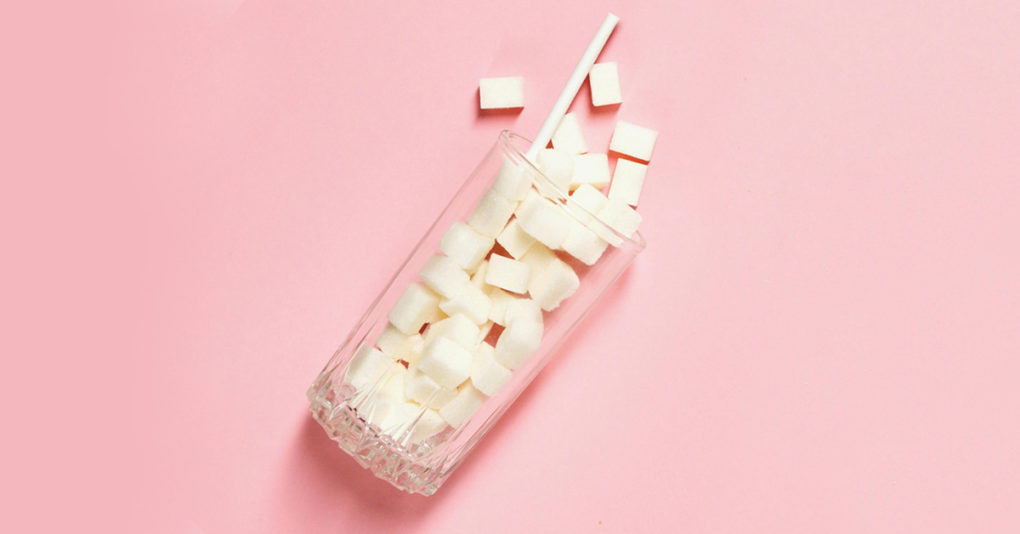
The campaign to remove unhealthy junk food from Supplemental Nutrition Assistance Program (SNAP) benefits has claimed further victories as six more states have agreed to ban the purchase of soda and other sugary products with government waivers.
West Virginia, Florida, Colorado, Louisiana, Oklahoma and Texas all received approval this week to amend their definitions of foods allowed for purchase with SNAP waivers beginning next year.
They join Nebraska, Iowa, Indiana, Arkansas, Idaho and Utah in officially moving to change the criteria for SNAP sales.
At an event in Washington, D.C. on Monday, Health and Human Services Secretary Robert F. Kennedy Jr., along with FDA commissioner Marty Makary and Secretary of Agriculture Brooke Rollins, celebrated the move as a win for the Trump administration’s Make America Healthy Again (MAHA) initiative.
“For years, SNAP has used taxpayer dollars to fund soda and candy—products that fuel America’s diabetes and chronic disease epidemics,” Kennedy said in a statement. “These waivers help put real food back at the center of the program and empower states to lead the charge in protecting public health. I thank these governors who have stepped up to request waivers, and I encourage others to follow their lead. This is how we Make America Healthy Again.”
“I hope to see all 50 states join this bold commonsense approach,” Makary said. “For too long, the root causes of our chronic disease epidemic has [sic] been addressed with lip service only. It’s time for powerful changes to our nation’s SNAP program.”
Makary added that the campaign to redefine SNAP approved foods is part of an overarching goal to “reduce mass suffering from diabetes, obesity, and other long term medical conditions.”
An Atomized Movement
While all 12 states that have signed on to SNAP adjustments are primarily targeting sugary food and drink, the changes vary state to state, with some taking more restrictive measures than others.
In Colorado, the ban will apply to beverages with at least five grams of sweetener per 12 oz. serving, but includes an exception for dairy products and baby formula.
The state is also awaiting further waiver approvals to expand SNAP for fresh food purchases, including one waiver to cover hot prepared foods in grocery stores, such as rotisserie chickens, and another that would make it easier for farmers market vendors to accept payment via SNAP.
In Indiana, soft drinks will be defined as nonalcoholic beverages with natural or artificial sweeteners, while in Nebraska they are specifically defined as carbonated, non-alcoholic drinks made with water, a sweetening agent and flavoring. In Iowa, the ban extends even further to block sugar-sweetened drinks containing less than 50% juice as well as drink concentrates and powders.
So while Coke and Pepsi may be facing bans across the board, other products like better-for-you sodas, energy drinks, teas, enhanced waters, kombuchas and other drinks could find themselves impacted differently state to state.
Although Kennedy’s MAHA movement is declaring the changes a big early victory, the debate on whether to ban sodas from SNAP benefits goes back much further.
In 2017, economist Diane Whitmore Schanzenbach – who has studied SNAP as director of Northwestern University’s Institute for Policy Research and as a senior fellow at the Brookings Institution – testified before Congress that she believed restricting SNAP purchases could “undermine the effectiveness and the efficiency of the program” by allowing government meddling in the private market.
Schanzenbach also said at the time that sugary food and beverage bans would “be difficult to structure in practice, will be inefficiently targeted, and in many cases—such as a proposed ban of the purchase of soft drinks or sweetened beverages—will be unlikely to change consumption patterns.”
However, proponents say the opposite; a 2014 study by several Stanford University researchers argued that a ban on SNAP subsidies for sugar-sweetened beverages would “be expected to significantly reduce” obesity and type 2 diabetes in U.S. adults.
Further impacting the program are general cuts to spending approved by Trump’s “big beautiful” budget reconciliation bill, which could cause as many as 22.3 million families to lose some or all of their SNAP benefits, according to the Urban Institute.
One group that is for sure not celebrating the changes: The American Beverage Association. In a statement reported by Scripps News, the association reiterated that it opposes the restrictions.
“SNAP restrictions won’t make anyone healthier or save taxpayer dollars,” the trade association said. “The current debate has made clear that more people are waking up to the reality of these proposals: shortsighted soundbites that hurt American families and veterans and turn grocery stores into the government’s food police.”