

Steve Cornell wants the company he runs, Generous Brands, to be a “chassis for the growth of manufacturing” of fresh, healthy beverages.
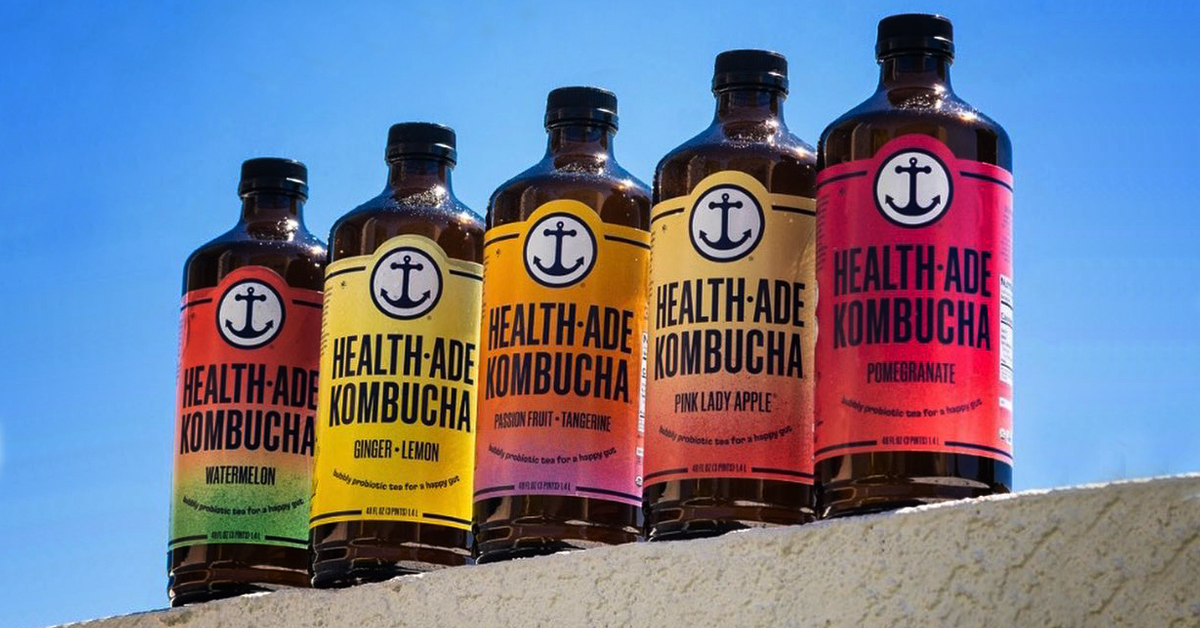
He’s just attached another wheel to that chassis with the acquisition of Health-Ade, a 13-year-old kombucha maker that is solidly ensconced as the #2 national brand.
While Cornell wouldn’t reveal a lot on the financial terms of the acquisition – believed to be approximately $500 million – he did offer a glimpse of where the direction that chassis is pointing, and it’s straight for the refrigerator.
Sitting at what he called “the intersection of vibrant taste and clean nutrition,” Generous Brands is pushing for both organic growth for existing brands as well as the potential for continued M&A, all centered around the company’s cold chain capabilities.
More M&A may be on the table long-term, Cornell said, although he added that for the immediate future he was interested in exploring “what we’ve got in Health-Ade.”
Still, there’s a longer road. Upon joining Generous Brands about 18 months ago, Cornell said, the full leadership team had put together a “five-year vision.” Alongside growing existing brands, “looking at the moves we wanted to make, one of those was about building a portfolio of powerhouse brands.”
With Health-Ade, he said, “one plus one is more than two,” adding “We can really accelerate Health-Ade to help them achieve their goals much more quickly.”
Cold Comfort
One area where the company aims to be more of the sum of its parts is in manufacturing capabilities and cold chain distribution. All of its products exist within that cold chain – and Generous Brands has also leveraged some of that manufacturing to handle much of Sambazon’s portfolio on a contract basis as well.
“They recognize it’s the power of the brands and their combined scale and capabilities that will eventually create the greatest success,” said Chris Lansing, the CEO of Health-Ade.
“Along with that refrigerated infrastructure, you’ve got to have strong brands that each have unique consumer positionings, and trend-forward benefits.”
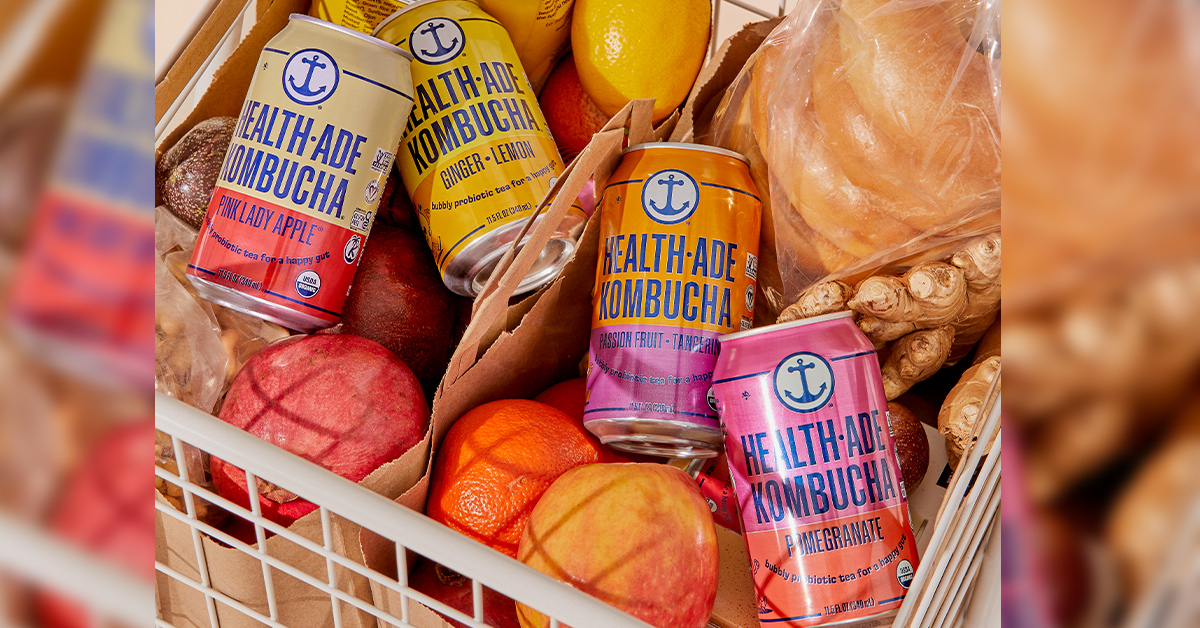
Health-Ade is the first gut health brand in the Generous Brands portfolio, and it also brings dedicated manufacturing, both in terms of fermentation, as well as capabilities for filling both glass bottles and cans.
Those different packaging types, alongside Generous’ own cold-pressed capabilities via Evolution Fresh, gives the company “portals for different products,” Cornell said.
It also adds to the company’s revenue base; in a release announcing the deal, Cornell stated that the total portfolio was approaching $1 billion.
Playing With Ice House Money
One mark of the confidence that investors seem to have in the Generous Brands portfolio is that Health-Ade investors Manna Tree and First Beverage took a mixture of cash and equity as part of the deal. While they were happy with the payout as a return on their investment, both investors said, the equity accompanying seats on the board of Generous Brands indicates their interest in the long-term potential of the platform.
“Chilled has never scared us but it’s not for everyone,” said Bob Nakasone, Managing Director at First Beverage. “There is some reluctance amongst large CPG since it takes extra tender love and care to get it to shelf. Consumers, however, are not reluctant at all – the category continues to thrive because consumers seek premium, fresh, high quality ingredients that can only be accomplished through cold chain.”
Steve Young, Managing Partner at Manna Tree, added he believes Generous Brands has the potential to anchor a set of fresh, healthy, nutrient-dense beverages over the long term.
“When you think about clean unprocessed nutrients, this company does it,” he said. “We think we’ve got a real powerhouse in the clean food space. This company is going to be at the center of what so many consumers and so many retailers want.”
Despite the enthusiasm, Cornell doubled down on the proposition still being in the “early innings.” But he thinks he’s found the sweet spot.
“Years ago it was about absence of negatives,” in terms of the health benefits customers are looking for, he said. “Now it’s about ‘presence of positives’” in those products.
“There’s a ton of runway for consumer growth ahead,” Cornell added. “That’s how we feel about things like functional gut health, or a day’s worth of nutrition,” in a bottled smoothie or juice. “It’s less about being big, more about defining the culture of where we think the beverage category is going.”