

Canned tea is riding the gut health trend, and investors are getting in on it.
Prebiotic drink maker Waku Tea is set to close a $1.5 million seed round by the end of November, backed by venture firm Beckett Industries, which has invested in Liquid Death, Diamond Brew and Libby Wine in the last year.
The round also included participation from a number of Northeast-based angel groups, Vita Coco executives, natural food broker John Maggiore, and investor and former Yasso executive Stu Klane, among others.
Beckett Industries partner Brian Polencheck, whose founded CPG consulting business FDM Sales and has advised food and beverage brands for over 10 years, helped make introductions to potential investors through his network and has also begun advising Waku on growing its distribution into more convenience and conventional retailers.
Founded by childhood friends Nicolás Estrella and Juan Giraldo in 2018, Waku was launched as a modern take on the Ecuadorian herbal sweet tea horchata lojana. The Boston-based brand initially positioned itself as a plant-based tonic in glass bottles before rebranding as a prebiotic herbal tea by removing sugar and adding chicory root inulin.
All of Waku’s options are caffeine-free, sweetened with monkfruit and stevia, and fortified with 5 grams of prebiotic fiber.
In June 2024, the brand transitioned from glass to 12 oz. aluminum cans and refreshed its packaging design again. The new format and branding provided an “inflection point,” opening the door to new retail partnerships and investment opportunities, CEO Giraldo told BevNET.
“Since last summer, we have basically doubled velocities,” he reported.
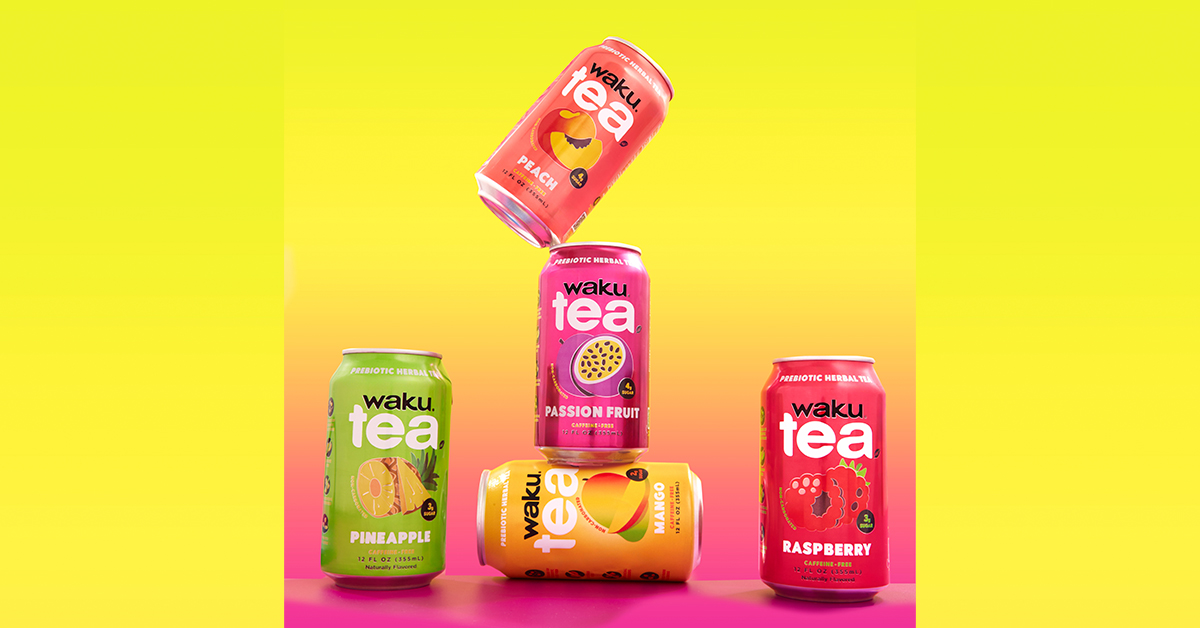
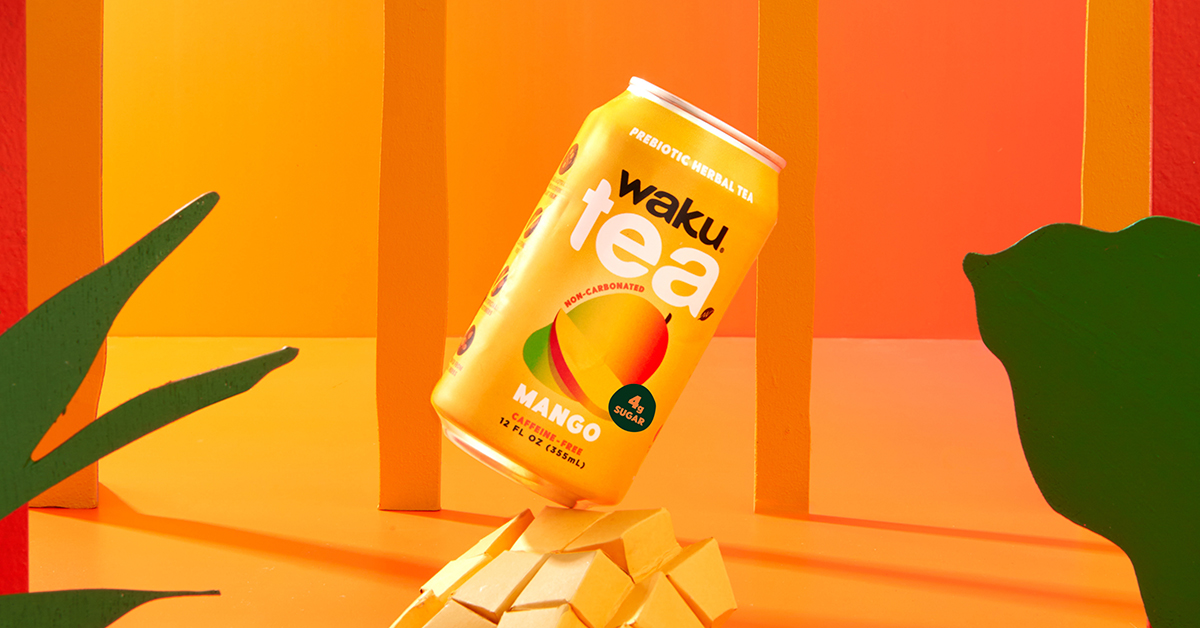
The new capital will support the launch of a new flavor, Mango, which entered New York City retailers this week. The variety complements Waku’s existing lineup of Passion Fruit, Pineapple, Raspberry and Peach.
After a successful run in select Whole Foods in the New York City area, Waku will be doubling its store count in the natural channel retailer with an expansion in the Northeast and North Atlantic regions. The brand expects to hire three new salespeople to work on trade promotions, field marketing campaigns and influencer partnerships, Giraldo said.
Beckett is encouraging Waku to explore new partners in mass, conventional and convenience channels because “the window is there now,” said Polencheck, referring to the trend toward better-for-you soft drinks. “It’s always harder for early-stage brands, but Waku will need to prove itself sooner rather than later [in those channels].”
The roadmap to do that is already in the works, with a larger Series A investment round already planned for the next 12 to 15 months. During that time period, Waku plans to “scale its execution playbook” in the Northeast by targeting more conventional grocery stores as it prepares for a larger expansion late next year, Giraldo said.
“Our goal is to grow this brand in a capital-efficient way and avoid shipping product across the country until we are ready,” he said. “We can prove the concept and derisk the company to a certain point in the Northeast first, but our ambitions are to be nationwide.”
Giraldo believes that Waku has already begun the process by simplifying its brand messaging and homing in on functionality.
The modern soda trend for prebiotic, low-sugar options is spilling out into adjacent categories like iced tea. Brands aligning with a functional, better-for-you positioning are not only increasing sales but also broadening distribution into more conventional and convenience channel sets.
Halfday – which refreshed its branding earlier this year – landed a deal with Mid-Atlantic c-store chain Wawa, while Ryl Tea landed a $15 million round after securing a 500-store deal with 7-Eleven.
Waku’s strategy of being “religiously focused on the Northeast” has allowed it to develop a dedicated base of consumers and expand into the conventional grocer Shoprite. Not only has the chain opened the brand to a different consumer demographic, but also paved the way for Waku to develop a multipack “sooner rather than later,” Giraldo said.
“They are asking for it,” he said. “We’re growing our distribution in a very disciplined way and trying to keep it simple for where we are right now.”